
CMR-Nepal trains 12 journalists in Data-Driven Climate Reporting and Fact-Checking
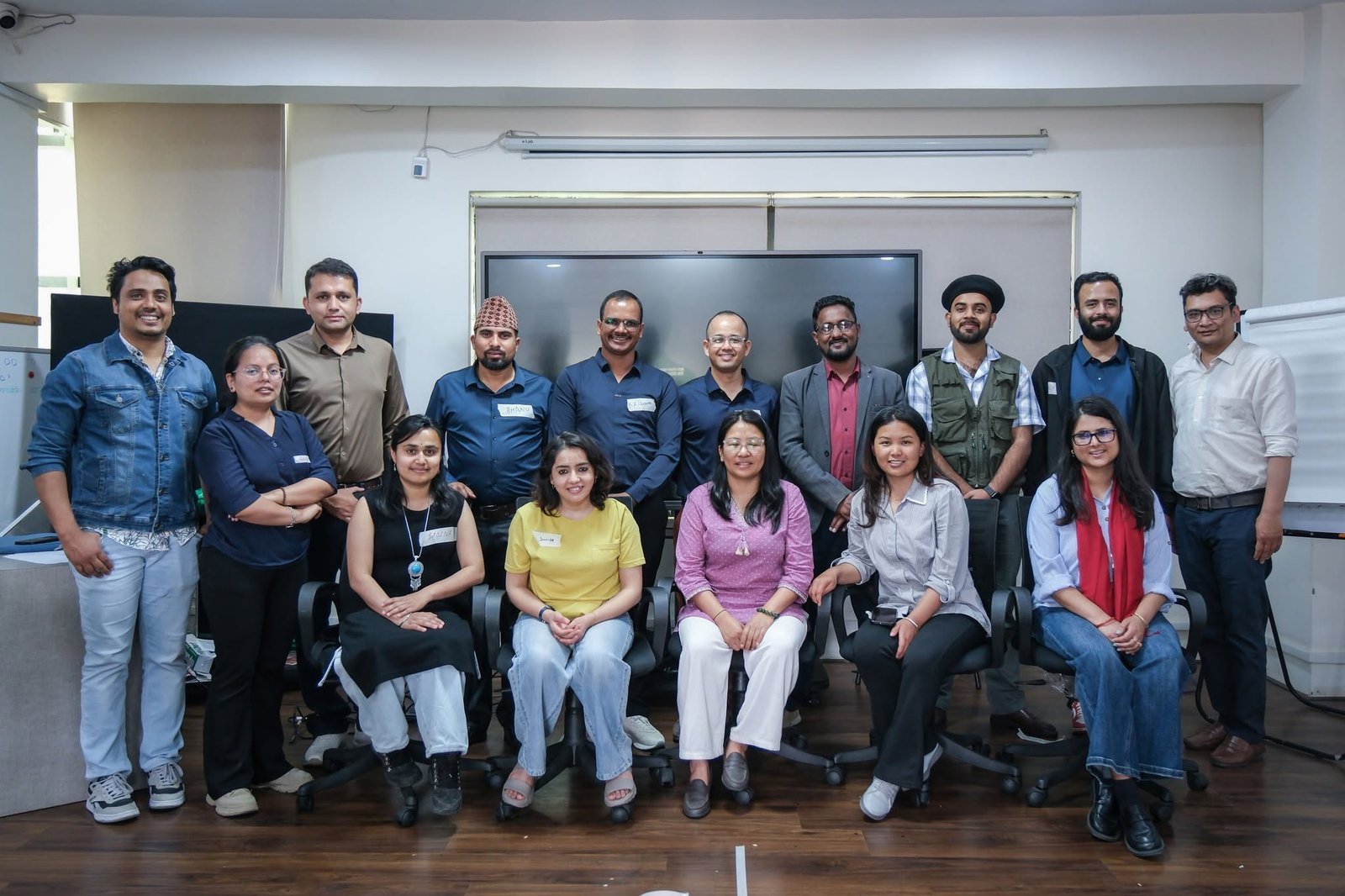
The Center for Media Research–Nepal (CMR-Nepal), through its Journalism Academy, has trained 12 journalists in data-driven journalism and fact-checking for climate reporting through an eight-week blended learning programme supported by UNESCO’s Global Initiative for Information Integrity on Climate Change (GIIICC).
Selected from 80 applicants through an open call, the journalists participated in the first in-person training phase from 19–24 April 2026, followed by online learning and a second in-person phase from 7–12 June 2026. The programme combined classroom instruction, online learning and mentored practice to strengthen journalists’ ability to produce accurate, evidence-based climate stories.
During a visit to the Academy, UNESCO Representative to Nepal Jaco du Toit interacted with participants and learned about their training experiences.
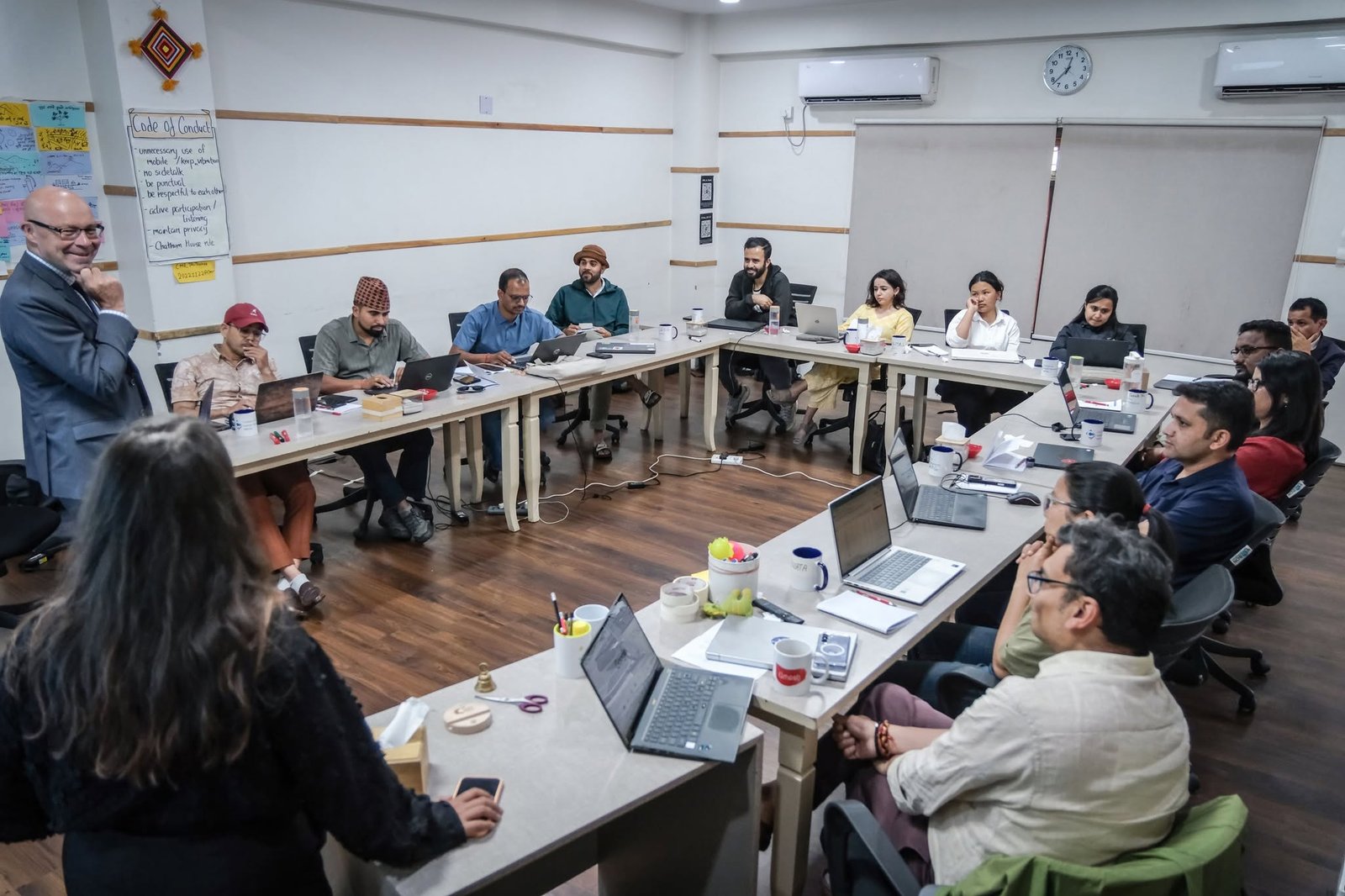
The training covered data collection, analysis and visualisation, alongside techniques for verifying claims, images and videos. Participants have since applied these skills to reporting on issues including floods, landslides, water crises, hydropower and changing Himalayan conditions.
“The training has made it easier for me to find data and analyse it independently. I can now use data, maps and other tools to develop stories from different perspectives,” said Bishnu Prasad Gaudel, one of the participants, reflecting on how the programme has strengthened his reporting.
Bhanu Bhakta Acharya, another participant, highlighted the importance of verification in climate reporting. He described identifying misinformation about a child reportedly revived after drowning in Kailali by contacting a police officer featured in a social media video. He also emphasised the need for long-term data analysis before attributing environmental changes to climate change.
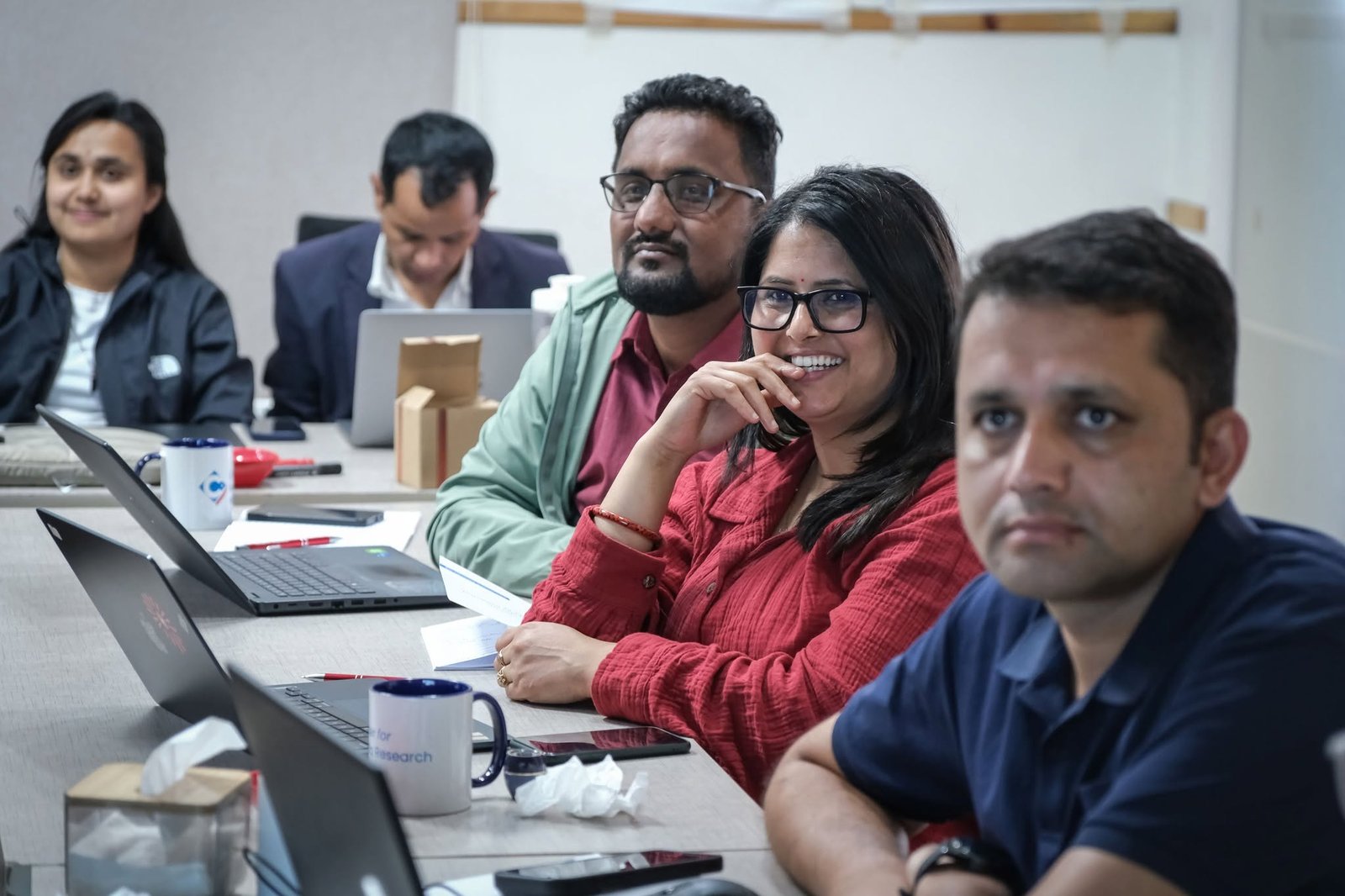
The programme is part of CMR-Nepal’s Nepal Climate Information Integrity Initiative, a broader effort to strengthen the quality and reliability of climate-related information in Nepal. Supported by UNESCO’s global initiative, the project also includes research into the country’s climate misinformation landscape, fellowships for in-depth environmental reporting, climate-focused fact-checking through NepalFactCheck.org, and dialogue among journalists, researchers, policymakers and civil society.
Through these efforts, CMR-Nepal aims to strengthen evidence-based climate reporting and help the public access reliable information on climate change.
Participating journalists
- Bhoj Raj Shrestha, Executive Editor, Blast Daily
- Bishnu Prasad Gaudel, journalist, National News Agency
- Janak Singh Bista, journalist, Onlinekhabar
- Raju Prasad Bhatta (Jhallu), senior climate journalist, Diyopost
- Sabina Devkota, independent climate journalist
- Yam Kumari Kandel, independent climate journalist
- Sunita Neupane independent climate journalist
- Sujata Limbu, journalist, thahakhabar.com
- Bhanu Bhakta Acharya, journalist, Nepal Press
- Bishnu Prasad Neupane, journalist, Annapurna Post daily
- Sanjiwan Rai (Sapeksha), journalist, OnlineKhabar
- Dolma Sherpa, journalist, Indigenous Television
- Nayak Paudel, journalist, The Kathmandu Post daily
Trainers: Arun Karki, Umesh Shrestha and Chetana Neupane