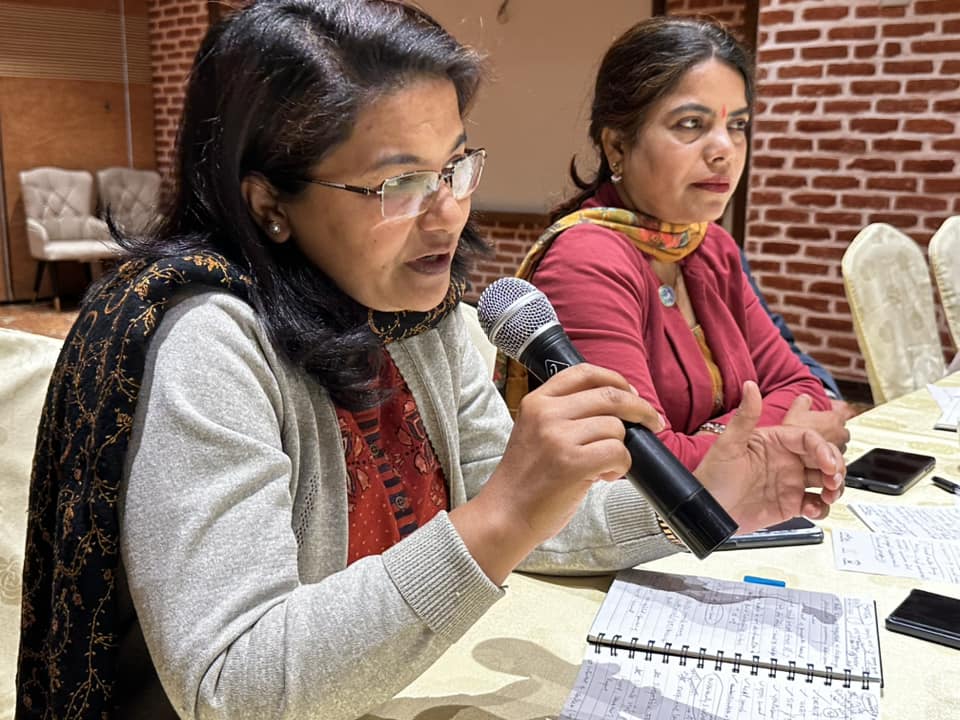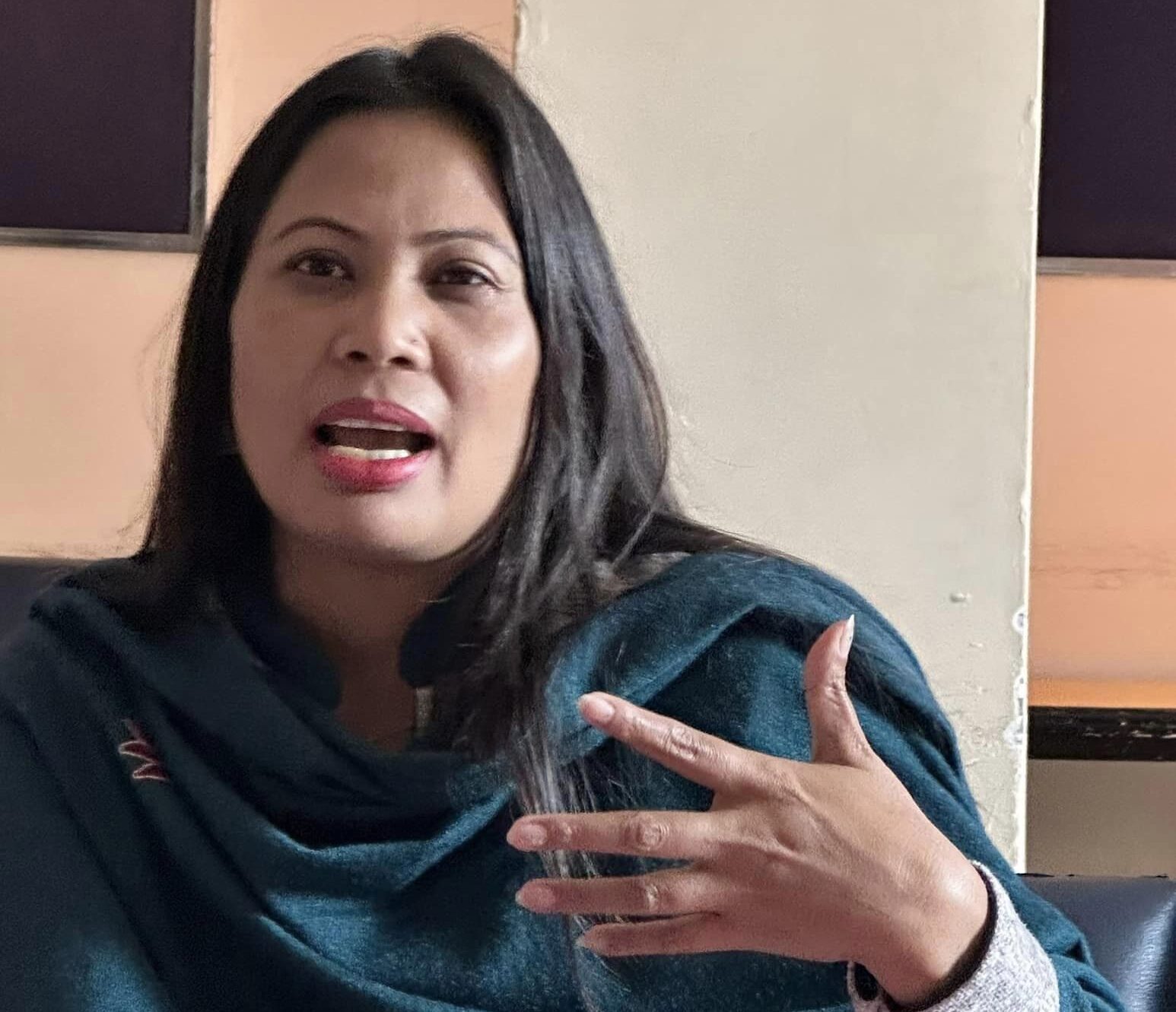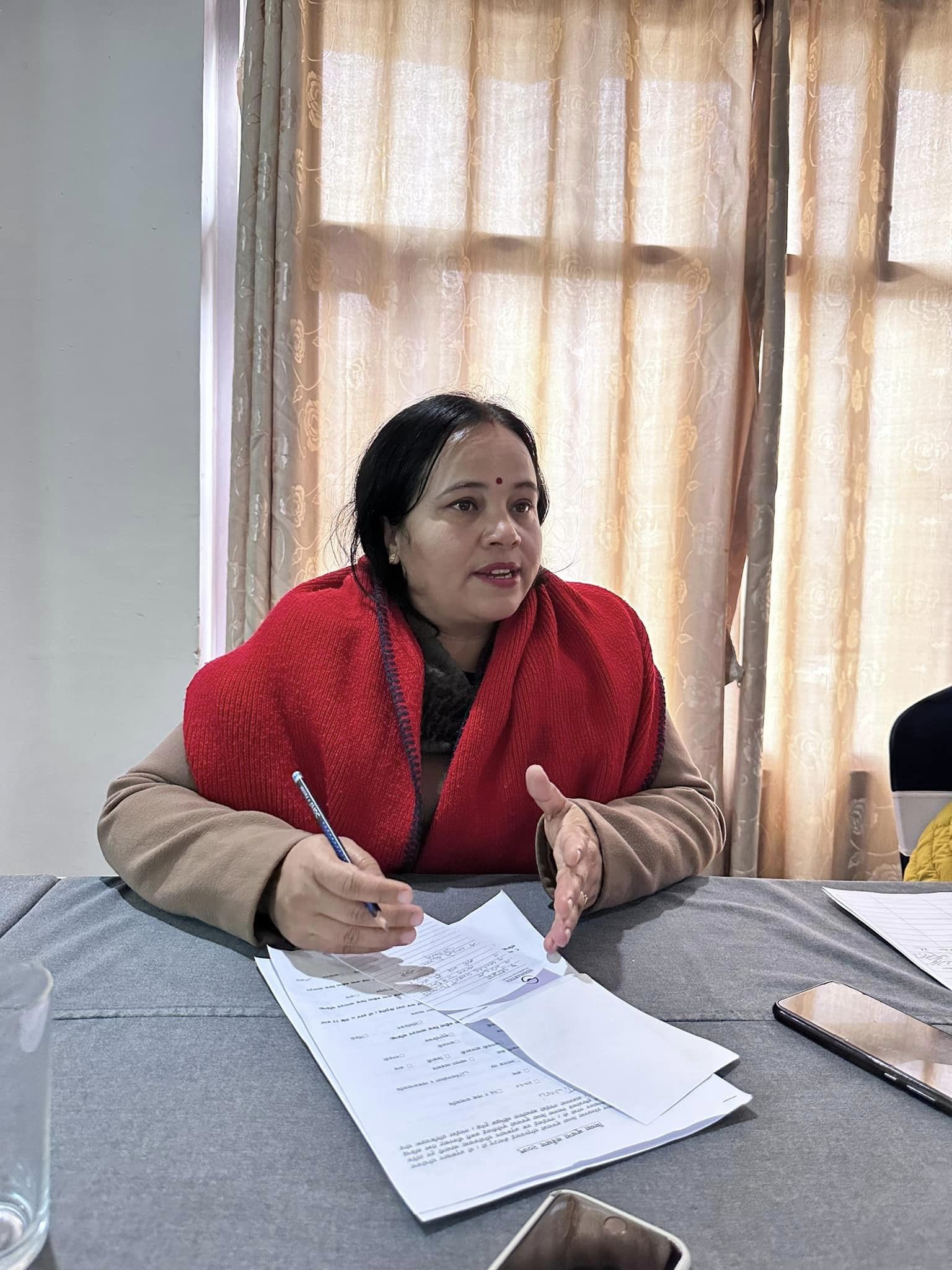

Applications Open for the “Her Climate Story Fellowship”

नेपाली भाषाका लागि तल स्क्रोल गर्नुहोस् ।

With an aim of empowering the presence of women journalists in environment and climate journalism, the Center for Media Research – Nepal (CMR-Nepal), with support from Oslo Metropolitan University, Norway, under the Norwegian Agency for International Development Aid (Norad) has opened applications for the Her Climate Story Fellowship.

This one-month fellowship will be awarded to 12 Nepali women journalists selected from the applications.

Women journalists receiving the fellowship will be required to:

  • Participate in a residential orientation in Kathmandu from December 25 to 28.
  • Produce and publish/broadcast at least one environment- or climate-related media content.
  • Participate in the Kathmandu Conference on Combating Misinformation on January 24 and 25. (optional for Kathmandu-based fellows)
  • Participate in a half-day experience-sharing program on January 26.

All expenses for the orientation, the Kathmandu Conference, and the experience-sharing program will be covered by CMR-Nepal.

Women journalists who complete the required fellowship activities will receive an incentive of NPR 25,000. In addition, they will be placed on a priority list for future capacity-building and environment/climate journalism programs organized by CMR-Nepal.

Click here to apply.

“हर क्लाइमेट स्टोरी फेलोशीप” का लागि आवेदन खुला

वातावरण / जलवायु पत्रकारितामा महिला पत्रकारहरूको उपस्थितिलाई सशक्त बनाउने उद्देश्यले सेन्टर फर मिडिया रिसर्च – नेपाल (सिएमआर-नेपाल) ले नर्वेको ओस्लो मेट्रोपोलीटन युनिभर्सिटीको सहयोगमा प्रदान गर्न लागेको हर क्लाइमेट स्टोरी फेलोशीपका लागि आवेदन खुला गरेको छ ।

एक महिनाको यो फेलोशीप प्राप्त आवेदनबाट छानिएका १२ नेपाली महिला पत्रकारहरूका लागि प्रदान गरिने छ ।

फेलोशीप प्राप्त गर्ने महिला पत्रकारहरूले निम्न जिम्मेवारी बहन गर्नुपर्नेछ:

  • काठमाण्डौँमा पुस १० देखि १३ सम्म आवसीय अभिमुखीकरणमा सहभागी हुनुपर्नेछ ।
  • कम्तीमा एउटा वातावरण / जलवायुसम्बन्धी मिडिया सामग्री उत्पादन र प्रकाशन/प्रसारण गर्नुपर्नेछ ।
  • माघ १० र ११ मा हुने काठमाण्डौँ कन्फ्रेन्स अन कम्ब्याटिङ् मिसइन्फर्मेसनमा सहभागी हुनुपर्नेछ । (काठमाण्डौँ उपत्यकाका सहभागीलाई स्वेच्छिक)
  • माघ १२ मा हुने आधा दिने अनुभव आदानप्रदान कार्यक्रममा सहभागी हुनुपर्नेछ ।

अभिमुखीकरण, काठमाण्डौँ कन्फ्रेन्स र अनुभव आदानप्रदान कार्यक्रमको सम्पूर्ण आर्थिक व्यवस्थापन सिएमआर-नेपालले गर्नेछ ।

फेलोशीपका आवश्यक कार्य पूरा गर्ने महिला पत्रकारले प्रोत्साहन बापत् रु २५,०००/- प्राप्त गर्नेछन् । साथै सिएमआर-नेपालले भविष्यमा गर्ने पत्रकारको क्षमता अभिवृद्धि र वातावरण/जलवायु पत्रकारितासम्बन्धी कार्यक्रममा सहभागिताका लागि प्राथमिकतासूचीमा रहने छन् ।

आवेदनका लागि यहाँ थिच्नुहोस्

CMR-Nepal’s submission on Media Council Bill to the Parliamentary Committee

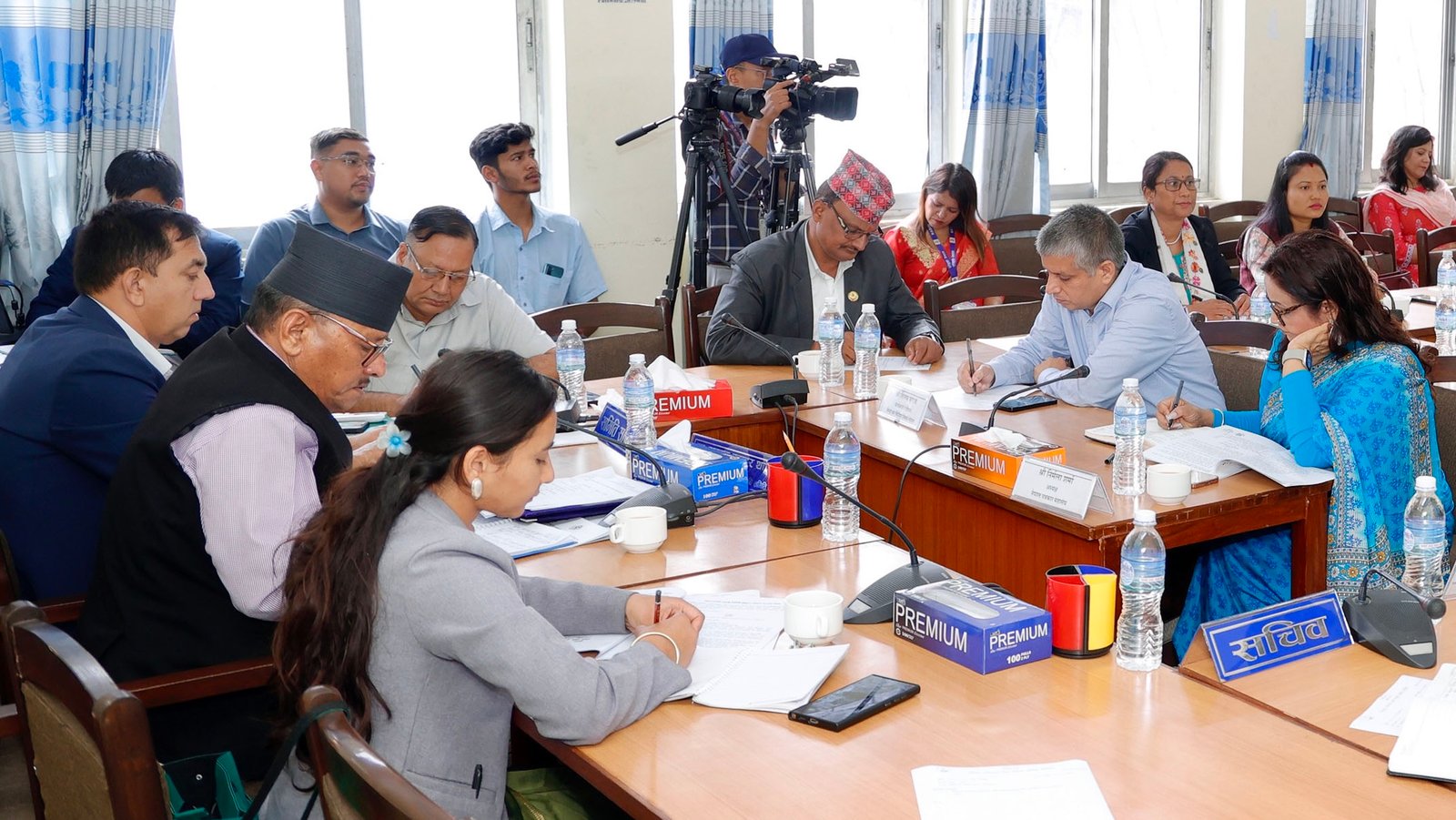
On July 28, 2025, the Center for Media Research – Nepal (CMR-Nepal) was invited by the Education, Health and Information Technology Committee of the House of Representatives of the Federal Parliament of Nepal in a consultation meeting with CSOs/experts on the Media Council Bill.

Executive Director Mr. Tilak Pathak represented CMR-Nepal in the deliberations; and presented CMR-Nepal’s summarized submission.

The submission is based on the in-depth review of the bill by CMR-Nepal. The policy review and submission brief in written were also submitted to the committee members.

Below is the outline of the CMR-Nepal’s submission:

Suggestions from the Center for Media Research–Nepal (CMR-Nepal) on the Bill to Amend and Consolidate the Laws on the Media Council

On the Purpose of the Bill
The bill states that there is a “new need for the establishment and operation of the Media Council as an autonomous regulatory body for the development and protection of fair, independent, and accountable journalism by maintaining professional conduct in the field of journalism and promoting self-regulation.” In line with this stated purpose, it is essential to emphasize the autonomy of the Media Council and design mechanisms that ensure its independence in both structure and function.

On the Need to Enact a New Law
The constitutional reference to “any other type of digital” and the need for “managing and regulating other media” appears to include social media, which makes this law necessary in the current media landscape.

Furthermore, in the context of improving relations with the World Press Council, South Asian press councils, and similar international bodies, renaming the Press Council of Nepal to “Media Council” is more than symbolic—it signals a substantive shift. The government’s own policies and programs state that the council will be developed as an independent, autonomous, and competent body to hear complaints related to violations of the journalistic code of conduct. This intention should be backed by concrete legal guarantees of autonomy.

The bill also mentions the need to establish the Media Council in line with principles of proportionality and inclusion. Therefore, these principles should be meaningfully integrated into the council’s formation and functioning.

On the Mandate of the Media Council
The Council is empowered to issue and enforce the journalistic code of conduct, monitor compliance, and take action in case of violations. It is also tasked with managing accreditation for press representatives. These responsibilities are welcome and should be retained in the final legislation.

On the Qualifications of the Chairperson and Members, and the Recommendation Committee
The bill proposes that the Chairperson’s qualifications be equivalent to those of a Supreme Court judge. However, the proposed appointment mechanism—a three-member committee composed of a government-appointed expert, a joint secretary, and coordinated by the secretary of the ministry—seems inconsistent with the high level of independence the role demands.

A better alternative would be a recommendation committee that includes the Speaker of the National Assembly, the Chairperson of a relevant Parliamentary Committee of the House of Representatives, and the Minister of Information and Communications.

Given that the appointment committee is currently dominated by government officials, there is a risk of political influence. For the Media Council to function impartially, autonomy must be ensured from the appointment stage. Therefore, involving parliament in the selection process is critical to safeguarding independence.

On the Provision for Removal of the Chairperson or Members
The clause allowing the removal of the Chairperson or members for “lack of efficiency” or “failure to fulfill responsibilities” is problematic. Vague grounds for removal risk enabling arbitrary government interference, which may lead to council members being unduly loyal to the government rather than acting independently.

On the Provision for Acting Leadership
Section 14(2) of the bill states that in the absence or suspension of the Chairperson, the member mentioned in Clause (b) of Sub-section (1) of Section 6 will act as Chairperson and convene meetings until a new Chairperson is appointed. Since this provision may result in a joint secretary leading the Council, it risks bureaucratic control and increases the possibility of government interference—contrary to the principles of independent journalism and the intended autonomy of the Council.

In both the recommendation process and the provision for acting leadership, bureaucratic dominance is concerning. This structure could reduce the Council to a government unit rather than an autonomous regulatory body. The provision should be reconsidered accordingly.

On Coordination with Provincial Media Councils
With federalism in place, provincial media councils are being formed and, in some cases, are already operational. This may create confusion among media outlets regarding whose directives to follow. There is also a risk of duplication of roles between federal and provincial bodies. To address these challenges, the bill should include provisions for coordination between federal and provincial media councils to ensure clarity, efficiency, and coherence in media regulation.

Access the PDF of the Policy Review of the bill here (in Nepali).

CMR-Nepal supports Digital Literacy workshop for women in Kalaiya

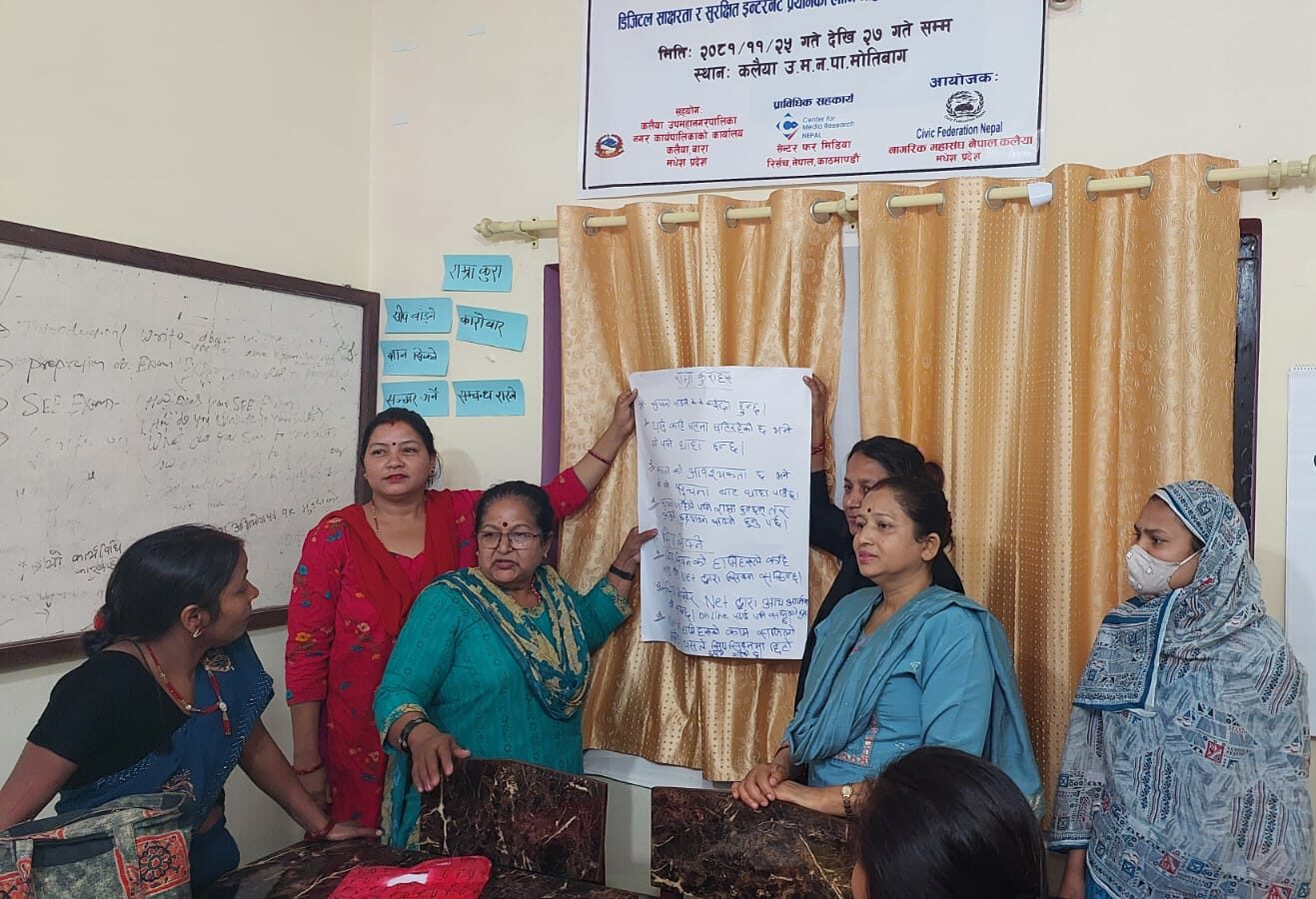
The Center for Media Research – Nepal partnered with the Civic Federation Nepal of Bara to empower women in Kalaiya through a 3-day digital literacy workshop to mark the International Women’s Day.

The workshop was held March 9-11 and brought together 27 women representing all wards of Kalaiya Municipality in Madhesh province. Funded through the municipality’s Women Leadership Program, the workshop aimed to build essential digital skills among local women.

Mayor Binod Shah graced the closing event handing over certificates to the participants.

The workshop was inaugurated by Chief Administrative Officer of Kalaiya Municipality Nathu Shah. Deputy Mayor Raushan Parveen also visited on the first day to supervise the workshop.

CMR-Nepal’s Ujjwal Acharya led sessions covering digital rights, safety, hygiene, and best practices for social media and internet use.

Each participant received a copy of CMR-Nepal’s publication “Sachet Banau: Correct Use of Information and Technology“.

“This is our first step in promoting digital literacy in Madhesh province,” said Jeetendra Yadav, Executive Director of Civic Federation Nepal. “We plan to extend these efforts by organizing workshops at 71 high schools and other communities in Kalaiya, with these newly trained women taking the lead.”

The initiative marks the first collaboration under CMR-Nepal’s “Partnership with CMR” program launched in early 2025.

Tilak Pathak, Executive Director of CMR-Nepal, expressed happiness about the partnership: “We’re delighted to collaborate with Civic Federation Nepal and will continue working with them and other local organizations to expand our impact.”

The Partnership with CMR initiative aims to extend CMR-Nepal’s work to local communities by empowering civil society organizations through collaborative activities.

Stakeholders Stress Role of Media in Combating Corruption

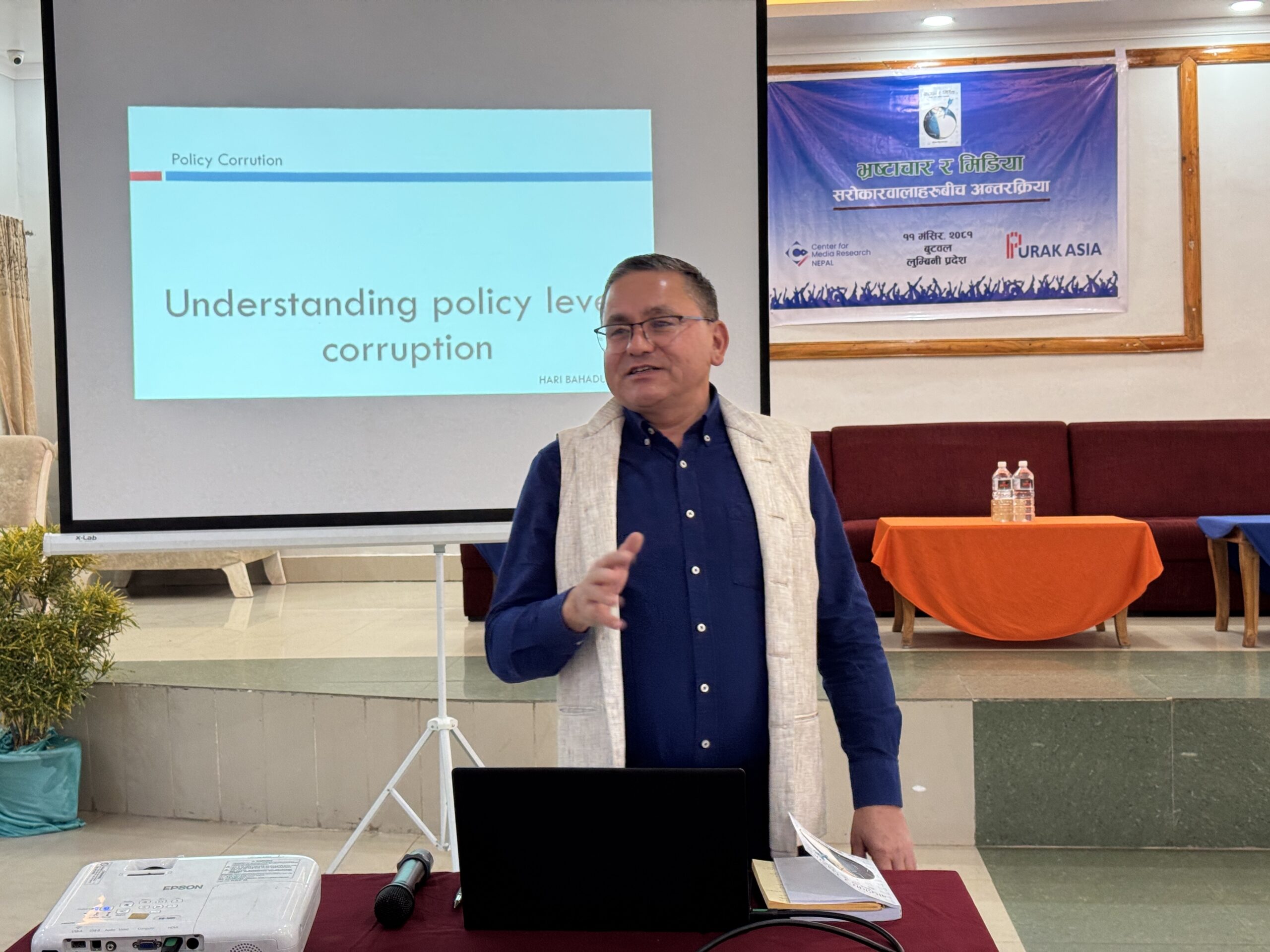
The Center for Media Research – Nepal (CMR-Nepal) organized a discussion around its new publication “Corruption and Media” in Butwal, Lumbini Province on November 26, 2024.

Stakeholders emphasized that media could play a crucial role in controlling corruption by focusing on investigative journalism. They argued that the media should expose corruption incidents and systemic issues across various state bodies, including federal, provincial, and local governments, public institutions, and political parties.

Experts highlighted the growing trend of corruption through policy decisions in recent times. They suggested that the media can contribute to anti-corruption efforts by:

  • Raising public awareness about corruption
  • Exploring the causes and consequences of corrupt practices
  • Proposing potential solutions
  • Exposing specific corruption incidents

The participants stressed that the media should act as the ‘fourth pillar’ of the state by:

  • Monitoring corruption across all sectors of society
  • Promoting institutional integrity
  • Engaging citizens in anti-corruption efforts

During the program, senior journalist Hari Bahadur Thapa presented a historical perspective on corruption in Nepal. He noted that during the Rana regime and the Panchayat period, corruption was widespread but remained hidden due to restrictive political conditions and the lack of an independent media. In contrast, after the restoration of democracy, independent media began uncovering major corruption scandals.

Tilak Pathak, Executive Director of CMR Nepal, pointed out a critical challenge. Despite the introduction of numerous legal provisions and anti-corruption structures following the restoration of democracy, corruption remains persistent. He observed that while media exposure brings corruption scandals to light, public attention often wanes quickly due to inadequate follow-up and monitoring.

Pathak emphasized the need for media to remain constantly vigilant. While acknowledging the prevalence of incident-based corruption news, he called for more in-depth investigative reporting to sustain public awareness and pressure for systemic change.

The event was attended by Lumbini Provincial Assembly members, journalists, civil society representatives, legal professionals, and intellectuals.

‘Podcasting: A Short Introduction’ launched in Nepali

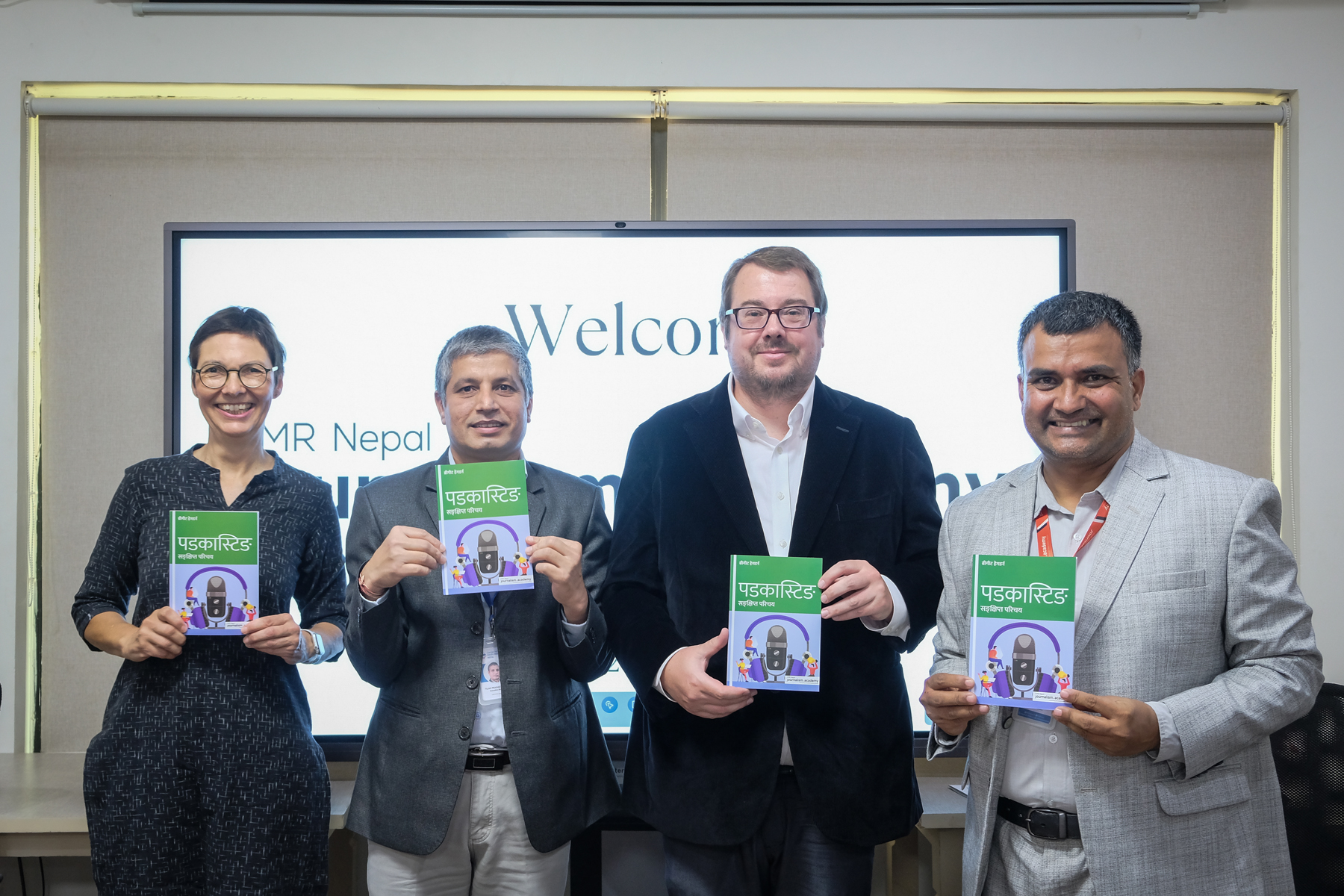
The CMR Nepal Journalism Academy launched Nepali translation of ‘Podcasting – A Short Introduction’ in Kathmandu on October 4.

Benjamin Seidel, Deputy Head of Mission and Head of Development Cooperation and Economics at the Embassy of the Federal Republic of Germany in Kathmandu, and author Brigittee Hagedorn jointly unveiled the book at a program.

The book is published by CMR Nepal Journalism Academy in collaboration with Interlink Academy in Germany.

At the launch event, Hagedorn in her lecture ‘News and Podcasting in Contemporary World’ shed light on the significance of podcasting. She focused on the technologies used in podcast production, making podcasts reliable and empathetic, and strategies for marketing podcasts.

Deputy Head of Mission Seidel emphasized the crucial role of journalism in the development of democracy and stressed the importance of capacity building for journalists. He lauded the Journalism Academy’s role in enhancing journalists’ capabilities.

Seidel added that the importance of journalism and journalists has increased even more in the era of misinformation emphasizing that journalism training is vital to face the challenges brought by technology.

CMR-Nepal’s Executive Director Tilak Pathak highlighted CMR-Nepal’s works including media research, civic space policies reviews, combating misinformation and strengthening media in Nepal.

CMR Nepal Journalism Academy’s Director Ujjwal Acharya introduced works of the Journalism Academy stating that the institution is providing high-quality journalism training in collaboration with Germany’s Interlink Academy. He noted that 146 journalists have been trained since 2023. He expressed commitment to working continuously to improve the quality of training.

During the event, Seidel also distributed certificates to Kathmandu-based participants who have completed ‘Digital Security for Journalists 2024’ course at the Academy. Twelve journalists completed the course.

Media Research Fellowships 2024: Call for Applications

The Center for Media Research – Nepal (CMR-Nepal) invites researchers interested in studying contemporary issues in media and journalism in Nepal to apply for the CMR Media Research Fellowship 2024.

Selected fellows will receive funding between Rs. 50,000 and Rs. 100,000. CMR-Nepal will award 2 to 4 fellowships this year.

Eligibility: The ideal research fellow holds a Master’s degree and has completed at least one previous media research project (a Master’s thesis is accepted as previous media research).

Details of the Fellowship:

  • Fellowship period: 3 months, from September 16 to December 15, 2024.
  • Research topic: Should relate to contemporary issues in media and journalism in Nepal. Priority will be given to topics aligned with CMR-Nepal’s areas of work (visit cmrnepal.org.np for details on CMR-Nepal’s focus areas).
  • Expected output: A publication-quality research article in APA format. CMR-Nepal will publish the research report with a DOI.
  • Support: CMR-Nepal will provide mentorship and other support if requested by the fellow.
  • Funding: Fellowship funding will be awarded after submission and acceptance of the final draft.

Important Dates:

  • August 31: Application window closes.
  • September 15: Announcement of fellows.
  • October 1: Research fellow submits detailed methodology.
  • November 31: Submission of the first draft of research.
  • December 15: Final research report submission.

How to Apply:

  • Send a CV, budget requested and concept note in English or Nepali to cmrnepal@butmedia.org.
  • The concept note should include research questions and methodology.
  • The budget should include three-month of honorarium for researcher and any other costs associated with research.
  • Application deadline: August 31, 2024.

Role of political parties in combating misinformation and disinformation in Nepal

(This essay is the edited part of the working paper presented at CMR Nepal’s program – ‘Interparty Dialogue on Information Manipulation and Democracy’ organized on February 24 in Kathmandu.)

  • By Bhojraj Pokharel, former chief election commissioner

Well-informed people are the pillars of democracy; they are also its watchmen. Political parties have long played their role in raising awareness among the people. They had their own channels, mouthpieces, weekly newspapers, and a reliable line of sources to convey information. The leader of every communicative event would give meaning, making followers aware of its relevance in our society. Especially since the nineties, that channel gradually shifted to mass media and reached social media in the current decade. We all understand this reality.

The free flow of information has been encouraged as informed people are the pillars of democracy. However, looking at the speed of development of technology, there is no environment in which only good information, chosen by responsible people, can reach the people without causing harm.

Due to the diversity in the production and broadcasting of information, malinformation, and misinformation will enter the world of information, and the ranks of ill-informed people will be formed. When efforts, trends, characters, and means to misinform the people become stronger than informing the people, it is clear that the place of democratic methodology and democratic leadership development will be replaced by folk idealism or individual miracleism and the people’s attraction towards them will also increase.

Democracy, which had to be frightened by guns before, has now come to a situation where it has to be frightened by phones.

A common person can express what they see; the situation where they can become material producers themselves is within the advanced practice of democracy; they directly connect with the ruler, criticize the ruler, and make the ruler accountable. However, they also express the point that the fact that an organized group, a group that bakes its bread by destroying the reputation of democracy, is becoming a loyal consumer of the rotten dose, and that it is becoming a means of broadcasting the products of such corrupt individuals or groups, is a matter related to the future of democracy.

In an organized manner, producing and broadcasting information intended to destroy people’s loyalty to democracy is certainly not focused on strengthening democracy. To lead the people astray, their faith must first be manipulated. Only people whose faith is shaken can be turned against democracy and democratic leadership through bad information. The characters involved in information manipulation know this very well.

Nowadays, I have a feeling that the faith in democracy in Nepal is beginning to waver. Democracy has only done bad things, before this Nepal was a paradise, and if we can throw away this democracy, Nepal will become a paradise again. During democratic practice, some bad things have been seen, especially the narrowness of parties, self-centered decision-making processes, corruption, partisanization of democratic institutions, weak governance, etc.

But, is the country in decline in the present system than in the previous system? Of course not. However, those who are in a position to defend the good deeds done now are not defending them honestly. Because they are weak on their own ground, or because the seriousness of the subject matter is ignored, or because they see their future in creating such commentaries, they are usually silent against such organized campaigns to incite the people. Rather, it seems that those who have fought for democracy for 60-70 years by spreading mud for vested interests are getting shaken. Under the guise of mud, the comment that ‘everything is bad’ is becoming stronger in the Nepali public.

We have seen that there was a movement in favor of democracy when the power of information was in the hands of the people. Especially the ‘April Spring’ which started from December 2010 brought a wave of democracy to the politics of the Arab world. “Social media” remained as the messiah of that movement. However, social media not only empowered the common citizens but also gradually became stronger itself. Taking advantage of the weakness of the mainstream media, it gained the support of the people. It established itself as a means of expressing public anger and frustration caused by poor government delivery, rising unemployment and corruption, and political parties and especially satlipsa at their leadership level. Now, that frustration and the lack of access to social media has become a threat of being used against democracy. Organized campaigners are using ‘social media’ as a tool to undermine democracy, increase subversive thinking, increase violence and fulfill their political strategic ambitions by dominating the minds of people with mobile phones in their hands.

Apart from a few exceptions, the meeting between two Nepalis from any corner of the world, including Nepal, begins with the remark that ‘the country is in a state of ruin’. From the time you wake up in the morning until you go to bed, the news, thoughts, debates or reactions that come on the radio, magazines, TV or social media, variously comment that the country is doomed. If someone posts on social media that not only bad things have happened but also good things have happened, they will immediately be demonized, and they will try to expose them by making accusations that did not happen.

The question is which way are we going?

Looking at the World Democracy Report 2023 released by International IDA, based on the data of 173 countries in the world, it is seen that democracy is weakening and authoritarianism is dominating all over the world. Looking at Nepal’s surveys, the graph of credibility towards political parties and their leaders is on a downward journey. Where is the problem? The political circle does not seem to have taken it so seriously. Maybe we don’t understand. When public opinion turns against democracy, the one who will be the first strike does not seem to be hot. We gossip seriously outside, the food will not cook if the egg is heated more than the heat. The religion of the opposition was to warn the government and did nothing! However, it is surprising. The one who is in the government also talks about the end of the country.

Positive things don’t sell and don’t last in a society where negativity is sold. In social networks, there is a desire to increase likes and become viral by setting up an echo chamber. Recently, AI has entered it. By analyzing the age, geography, interests, and political affiliations of the users, the trend of automated messaging to touch the emotional side and increase excitement has become widespread. Even in developed countries, there are many examples of social media platforms producing false information and propaganda. In the run-up to the 2016 US presidential election, the false story that Pope Francis supported one candidate and another candidate sold weapons to the ISI was retweeted or forwarded thousands of times.

In our context, a quick look at the comments that are currently being made on social media shows these 7 types of trends:

  1. The biggest attack is against the Constitution of 2015 and its achievements. Moreover, when you have to sneer at anything or disagree with it, you are attacking the ‘republic’.
  2. There is an emphasis on discrediting the party or leadership that is taking place or has played a key role in bringing about this change,
  3. There is an attempt to undermine or discredit the pillars of the Republic,
  4. The 2072 constitution, which was considered as an achievement, is targeted at them.
  5. Tends to show that the government is incompetent to deliver and govern,
  6. It is tried to show that the citizen is in support of hero or populist leadership
  7. Insignificant space has been given to positive achievements and efforts in the society.

The question arises, why did this situation happen and who is responsible for creating this atmosphere?

Unknowingly, we are all trying to create such an atmosphere. I do not see that all of us gathered here should hesitate to admit that it is our collective failure to come to this situation. From party leaders to workers, it seems that they have pulled out all their might to expose the opposition. We see that all of them have been exposed by the practice of exposing each other by using the cyber army. This gave a dose to the media. The parties are on the same ship, they have not seen the need to think in the direction of what will be the result if the ship sinks. Unfulfilled dreams shared by themselves for popularity are the roots of despair and are also great weapons to overshadow some of the good works done. This ‘populism’ has increased under the guise of them, when people believe the gossip of Chattu and Ghafadi, the emotional public opinion of the people is relying on misinformation, false information and bad information.

Party activists and conscious citizens seem to be the leaders rather than ordinary citizens to create a toxic environment in the country by creating comments that nothing has happened in the country, the country is ruined, there is no future in this country, there is only loot, insecurity, nepotism, nepotism, corruption and bribery in the country. Of course, the dose is given by responsible leaders and conscious citizens. On that foundation, the cultivation of despair has flourished.

If we had been able to improve the governance and the flow of services in a way that the common people could understand, perhaps such a situation would not have come so soon. The behavior of some leaders for the sake of power and the corruption done by others have fallen on the republic and its achievements. The system did not run by itself, it depended on the hands of the operator. And social media gave space to the feeling of those who want to discredit the system by forcefully imposing it on the shortcomings of the driver. And whoever is looking for an opportunity, he will try to save the disappointment in cash. In the name of lack, caste, religion, sect, or anything else. Those who were displaced by yesterday’s changes or disagreed with the changes, such situations can surely give them joy as if they were taken away from Luto. This may be what you are looking for.

Social media is also becoming chaotic now. Especially, the destruction of truth and deep fake caused by this has become a matter of interest and concern for the world. During the hearing held by the US Senate recently with the heads of social networks, some senators said – you have blood on your hands. You have a product that kills people, platforms have become ‘information killing fields’. Where the user shows only one side of the issue.

In this process, the tech companies also not only said that they have their weaknesses and tried to improve them, but they also admitted that criminal tendencies played a role in it as the use of the Internet increased. Also, AI, mobile technology, Chat GPT, recently introduced AI source, Google Gemini, etc., which will make the world instantly audible and visual based on the word order (prompt) to make such a video, and where will it lead to the state of information movement or the state of propaganda? Will you deliver? There is a situation where you can’t do it. During the recent elections in Pakistan, the video message of Imran Khan, the former prime minister of Pakistan, who is in prison under tight security, was able to turn the tide of the election. Now, what will be done with the technology of Zhan AI Sound, it is beyond imagination.

Looking at the geopolitical situation of Nepal, it seems that information manipulation should be taken more seriously. If influential countries like the US or the EU find it difficult to protect their elections from international interference through social media, we need to take immediate concrete steps when looking at the control over the geography, population and technology of our neighbors. Ethnic, religious, geographical, and ideological diversity has increased the risk. If a critical mass is created, there is a lot of possibility to create trouble at any time. It cannot be denied that social media can be a powerful tool to cash in on the growing frustration in the country.

It is my request that the political forces should always be alert to the fact that the main pillars of democracy including parties are weakened by establishing the comment that democracy cannot deliver, along with various forms of extremism, and when extremism is widespread in the general public, extremism can destroy them and attack democracy.

Therefore, the discussions in such programs should not be seen as heating the eggs before they are heated. We have repeatedly done the practice of breaking the system and building a country through the miracles of a particular person. Even our nature, diversity, and external connections do not allow us to move the country forward in the singular vision of a miraculous person. Pushing the country to the path of extremism and establishing the heroism of an individual will again be nothing more than another test. However, fatal test. If the seriousness of the so-called mainstream parties remains the same, those sad paths can become our inevitable paths.

If the work is good, it takes time to manipulate and sabotage their information, if the work is a little good, it is possible to instill hope in the people through information and stop such extremism or miracleism. Even if the parties do a little good work, if they can promote the cleanliness of information, the attack on democracy can be avoided if not completely stopped.

For this, I would like to draw the attention of friends of political parties to the following five points:

  1. Make a common ground and strategy to deal with it by taking regular account of why frustration has increased in the country and where and what are the country’s political risks. This is everyone’s duty.
  2. Make the information flow mechanism of the parties and activists factual, responsible, and ethical.
  3. Emphasize the program to increase the digital knowledge of party workers and well-wishers. Also, issue a code of conduct for social media operation and ask party workers and supporters to use it accordingly.
  4. Prioritize fact-checking. Collaborate with traditional and new media in disseminating facts and disinformation.
  5. Collaborate with government, parties, civil society, media outlets, digital platforms on these issues. Let’s all become aware with the time, let’s all rise above our current selfishness and do what we can from our own level, break the current cloud of despair and show a positive way to ‘raise hope’.

(This working paper was presented in Nepali and is translated by Google Translate and edited for spelling and grammar by ChatGPT 3.5).

Academics Provide Suggestions for Media Law Reform in Nepal

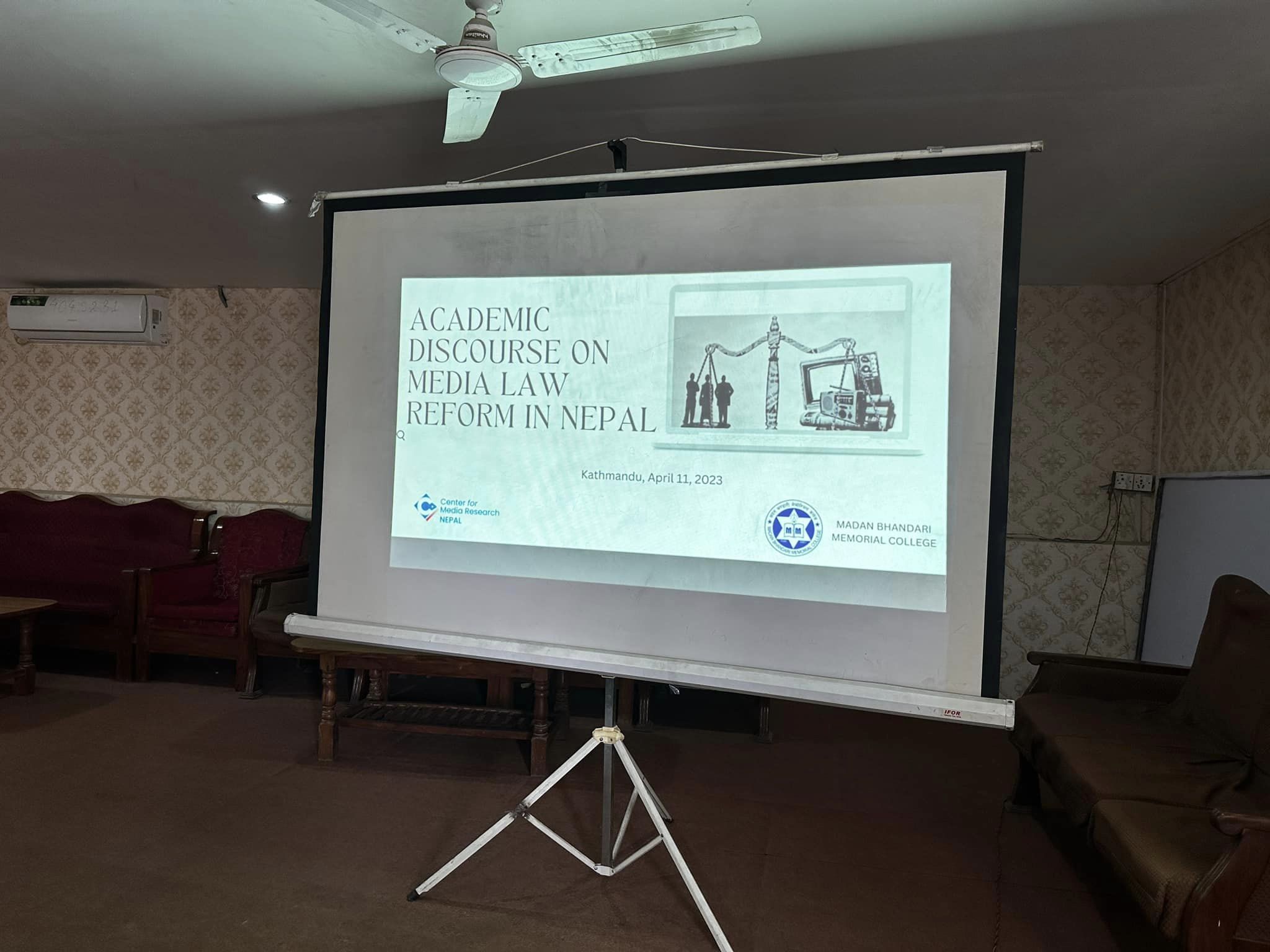
On April 11, 2023, an academic discourse titled “Media Law Reform in Nepal” was held in Kathmandu with the aim of providing recommendations to the Mass Communication Sector Suggestion Reform Committee, responsible for reviewing new media laws in Nepal.

The committee’s coordinator, Suresh Acharya, and members Mahendra Bista, Babita Basnet, and Govinda Acharya were present at the program.

During the event, committee members discussed their efforts to address policy and practical concerns related to the creation of media laws in the current technological era.

They reiterated their commitment to upholding Nepal’s press freedom and values of freedom of expression.

Academics specializing in media studies suggested four major areas of focus for the committee.

These included emphasizing the importance of not undermining press freedom and freedom of expression, advocating for an inclusive, independent, and autonomous governing body structure, reforming existing laws and regulations in the media domain with changes and continuity, and promoting diverse discussions with different groups for ownership of the draft laws.

Following the event, CMR-Nepal provided additional suggestions to the Committee.

Experts Emphasize Policy Discourse and Media Literacy to Tackle Misinformation in Nepal

On March 24, 2023, a program titled “Misinformation Landscape: Interaction, Policy Concerns and Way Forward” was held in Kathmandu, Nepal, with the objective of addressing policy discourse on misinformation and mitigating the challenges of misinformation in Nepali society.

During the event, National Information Commissioner Mahendra Man Gurung emphasized the importance of timely dissemination of accurate information to combat misinformation.

Gurung recommended that policy interventions should assess whether existing policies can address concerns related to misinformation, rather than solely creating new legal mechanisms. He cautioned against targeting only those who engage in misinformation, as it may negatively impact the overall functioning of media and society. Gurung also recommended that self-regulation is a key mechanism to combat misinformation.

Communication Registrar of Bagmati Province Rewati Sapkota endorsed the notion of self-regulation and stressed that the emphasis should be on creating good content by journalists to ensure reliable information is disseminated widely through social media.

Sapkota suggested that strengthening the reliable media industry and promoting ethical reporting by mainstreaming media that rely on viral posts are major strategies to tackle misinformation.

Netra Prasad Subedi, Spokesperson and Joint Secretary at the Ministry of Communication and Information Technology, stated that the government is cautious about how laws will affect users. Subedi also informed that the drafting of a new law on media will cover digital media.

Media expert Raghu Mainali highlighted the importance of strengthening formal channels such as news media and community media for factual and objectively verifiable journalism. He also emphasized the need for media literacy and proactive disclosure of misinformation, considering regulation as the last option.

Shreejana Aryal, Secretary at Nepal Federation of Nepali Journalist, expressed that disregarding formal media channels is a major problem linked with misinformation. Journalists are often compelled to report based on the content disseminated by sources.

Jhabindra Bhusal, Chief Administrative Officer of Press Council Nepal, emphasized the need for digital literacy and suggested that changes in technology have resulted in confusion regarding calling YouTubers as content creators or journalists.


Indra Kumari Adhikari, Board Member of Nepal Policy Institute, believed that it is necessary to focus on public literacy about what to and what not to share online. She highlighted that political parties are engaged in developing cyber armies, which are considered major propagators of misinformation and disinformation.

Lekhanth Pandey, Assistant Professor of Tribhuvan University, presented the research paper on Misinformation Landscape Study. He identified social media as the primary source of misinformation, with Facebook being the most commonly cited platform. Pandey added that the widespread impact of misinformation in Nepali society, beyond politics and media, has the potential to exacerbate social tensions, violence, and delay in justice and infrastructure development.

Overall, 30 people from different sectors participated in the program and provided their insights on the need to tackle misinformation through policy discourse, media literacy, and self-regulation.

Misinformation Study Wraps Up with Discussion in Dhangadi

CMR-Nepal’s Misinformation Study wrapped up with a discussion in Dhangadi, the capital of Sudurpashchim Province, on January 26, 2023.

The objective of the program was to investigate the misinformation problems prevailing in the province.

The event witnessed the attendance of 30 participants, including representatives from political parties, youth, students, health workers, women’s groups, journalists, and civil society activists.

The discussion revealed that misinformation in the province is impacting diverse groups, including lower-caste communities, women, and people with disabilities. Sunita Rana, a representative of Nepal Student Wing, stated that the male-dominated society’s mindset and opinions created as a result are hindering women’s progress in the region.

Nandaraj Bhatt, a representative of the disabled community, emphasized that news media’s insensitive use of language is hurting the sentiments of the disabled community.

Bhuwan Bhandari, a journalism educator, highlighted the importance of media literacy from an early age and cautioned against sharing unverified information on social media.

Other participants identified politics as a significant cause of misinformation and stressed the need for self-restraint while sharing such information on social media.

Misinformation Landscape Discussion in Karnali Province

CMR-Nepal conducted the sixth phase of the Misinformation Landscape Study discussion in Surkhet, the capital of Karnali Province, on January 24, 2023.

The program aimed to deepen the understanding of misinformation issues in the province and was attended by 25 participants, including political party representatives, youth, students, health workers, women’s groups, journalists, and social media influencers.

During the event, participants highlighted the prevalence of misinformation in various domains in the province, including politics, youth issues, journalism, civil society, and social media.

Kamala Tiwari of Mid-Western University spoke about unregistered online news media as the main source of misinformation and the misrepresentation of women in such information. Dinesh Gautam of Riti Foundation pointed out that popular personalities and social media influencers were involved in spreading fake news and misinformation through social media.

A student shared her experience of encountering misinformation mainly on social media and called for media literacy programs in schools and universities. An agro-based entrepreneur also talked about the negative impact of misinformation on businesses, citing the example of bird flu in Kathmandu, which caused a decrease in chicken prices in Surkhet, affecting local farmers.

Kumar Thapa, a social media influencer from Motteygang, highlighted the importance of providing factual information about events in the province and holding governing agencies accountable through responsible reporting. He shared that their efforts in producing stories that bring about changes in the community have contributed to the popularity of their Facebook page in the province.

Misinformation Landscape Discussion in Bagmati Province

The fifth phase of the Misinformation Landscape Study discussion was organized by CMR-Nepal on January 17, 2023, in Hetauda, the capital of Bagmati Province.

The objective of the program was to enhance the comprehension of the problem of misinformation in the province.

The program was attended by 35 participants, including representatives from political parties, youth, students, health workers, women’s groups, journalists, and social media influencers.

During the event, Laxmi Jimba, the Ward Chair of Bakaiya Rural Municipality-5 in Makwanpur District, blamed “dirty politics” for the spread of misleading information across political and societal domains.

She shared how her affiliation with a political party prevented her from speaking freely about certain topics.

Jimba also pointed out that journalists and news media have failed to counter misinformation due to their affiliations with various political parties, but she held politicians responsible for this problem.


“If journalists are given the freedom to work independently, the spread of political misinformation would be largely controlled,” she added.

The discussion also highlighted the media’s role in spreading misinformation in the field of agriculture.

An agro-entrepreneur from Hetauda shared how news media present misleading data about profits from agriculture, often framing turnovers as profits.


A local journalist and educator, Suresh Shrestha, explained that he and others were engaged in media literacy campaigns in Hetauda to encourage students to read news media and develop an understanding of written texts.