
CMR-Nepal holds stakeholder discussion on climate misinformation in Gandaki province
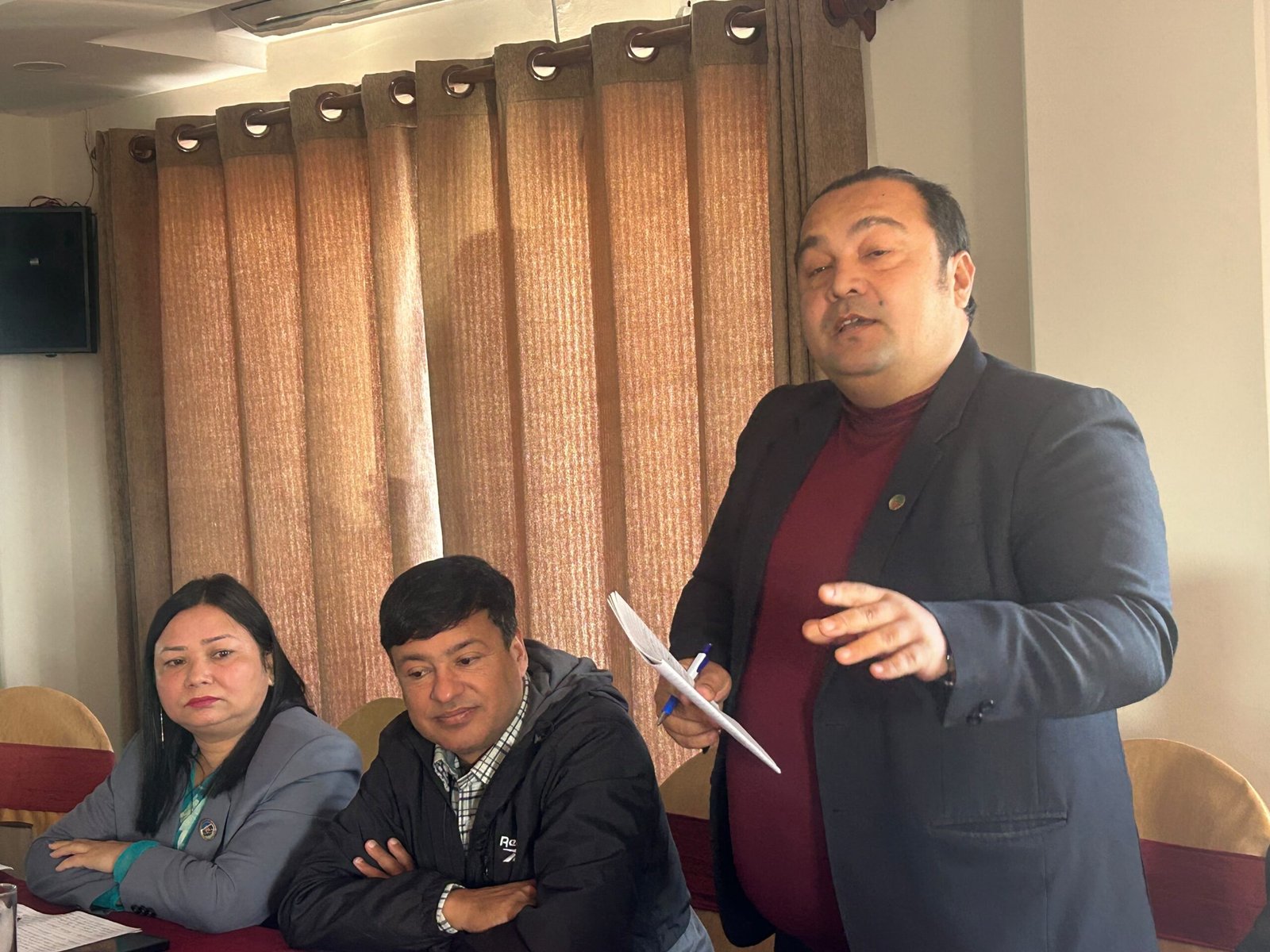
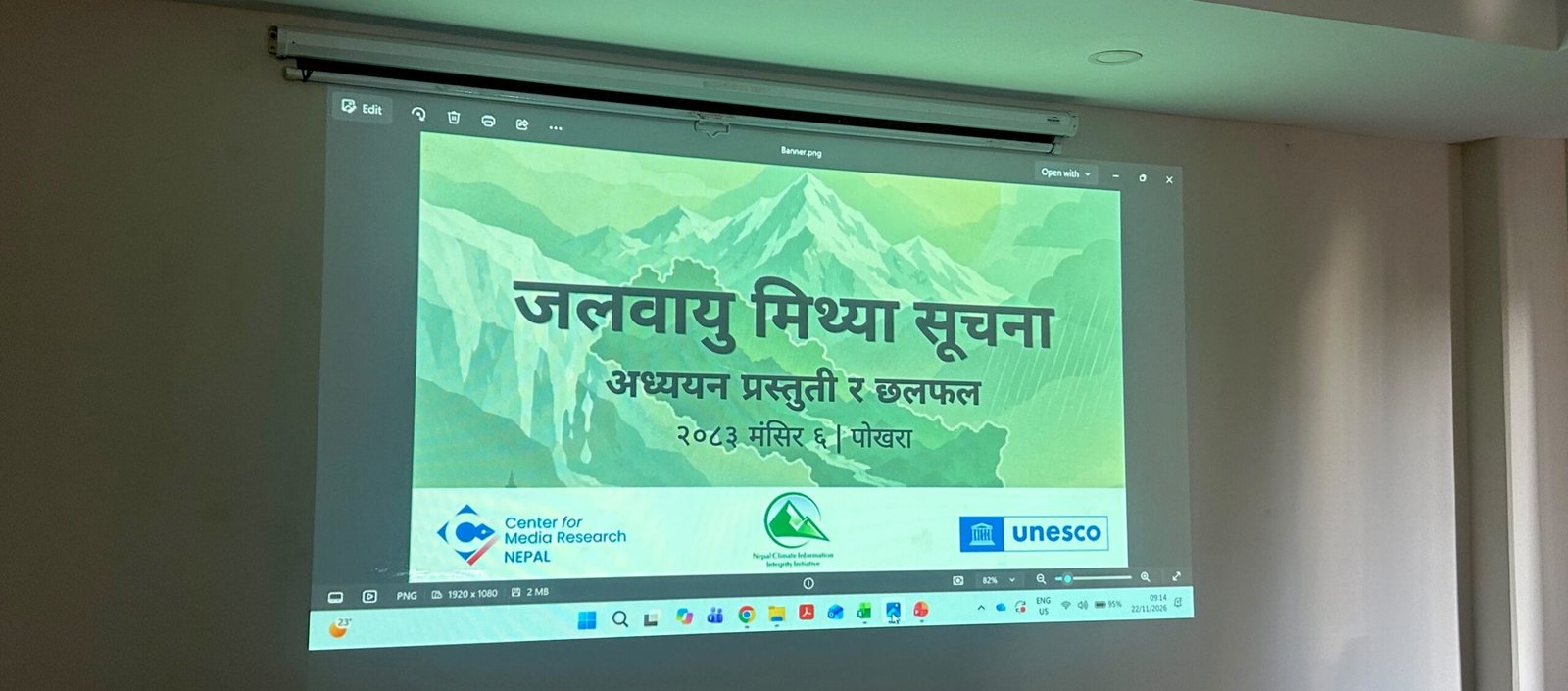
Center for Media Research – Nepal (CMR-Nepal) organised a stakeholder discussion in Pokhara on climate change-related misinformation, bringing together provincial policymakers, journalists, researchers, environmental activists, tourism representatives and local stakeholders from Gandaki Province on November 22, 2026.
The discussion focused on the growing spread of misinformation about climate change, weather events and natural disasters, and its impact on public understanding, disaster preparedness, tourism and policymaking.
Speaking at the programme, CMR-Nepal Executive Director Tilak Pathak highlighted the organisation’s ongoing work on misinformation, including research on misinformation during elections, the COVID-19 pandemic and natural disasters.
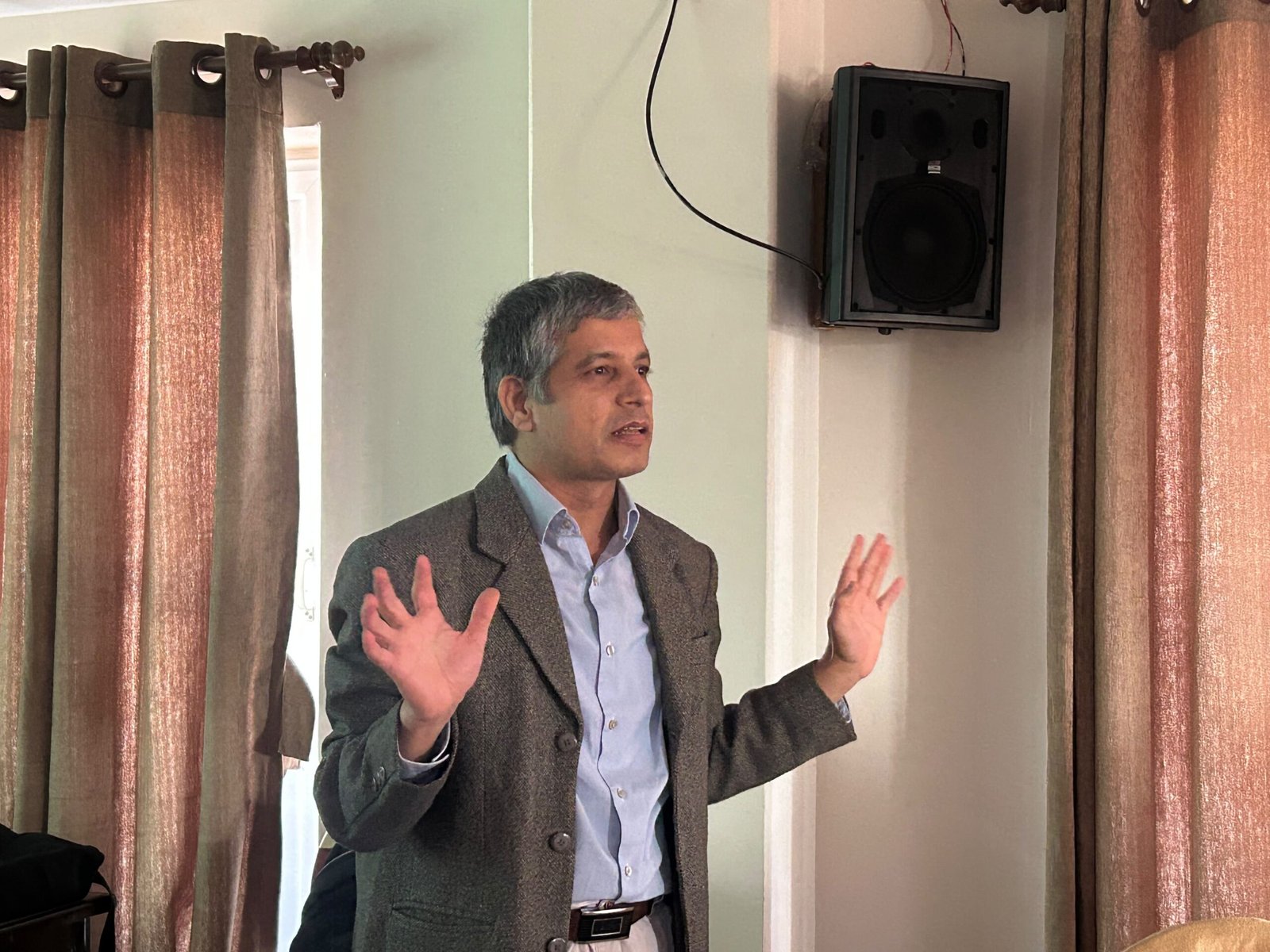
Drawing from the research on climate misinformation in Nepal, he noted that climate-related misinformation has become an emerging concern, while research and evidence-based information on climate change remain limited in many parts of Nepal.
Participants shared concerns about the circulation of misleading information during disasters, including the recent Bhotekoshi floods, as well as exaggerated or inaccurate claims about rainfall, glacial lake outbursts, snowfall and weather conditions. Such information can create unnecessary public panic, affect travel decisions and cause economic losses, particularly in the tourism sector.
The discussion also highlighted several challenges contributing to climate-related misinformation. These include limited access to reliable climate data, a shortage of local research, weak coordination between scientific institutions and media, and the growing influence of social media pages and digital content creators as sources of public information. Participants also pointed to instances where media reports lack scientific context, follow-up reporting and adequate consultation with experts.
Journalists and environmental researchers stressed the need for better access to verified data, stronger engagement with meteorologists and climate scientists, and more responsible reporting on climate and disaster-related issues. They also emphasised the importance of documenting local experiences and maintaining reliable baseline data to understand long-term environmental changes.
Provincial Assembly members and local representatives called for stronger information management mechanisms across federal, provincial and local governments. They highlighted the need to improve weather monitoring infrastructure, establish reliable data systems, strengthen public awareness and integrate climate change education into schools and communities.
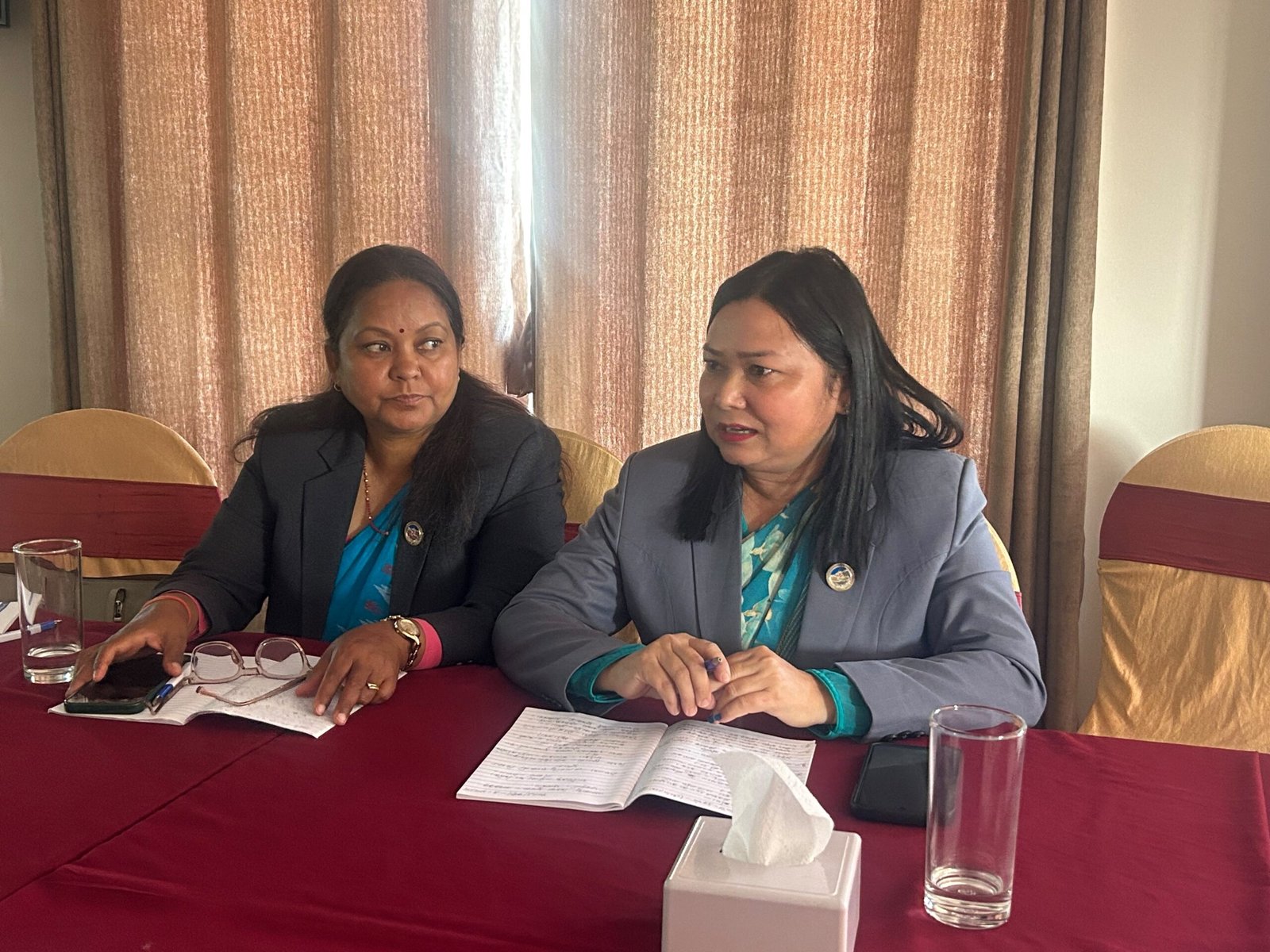
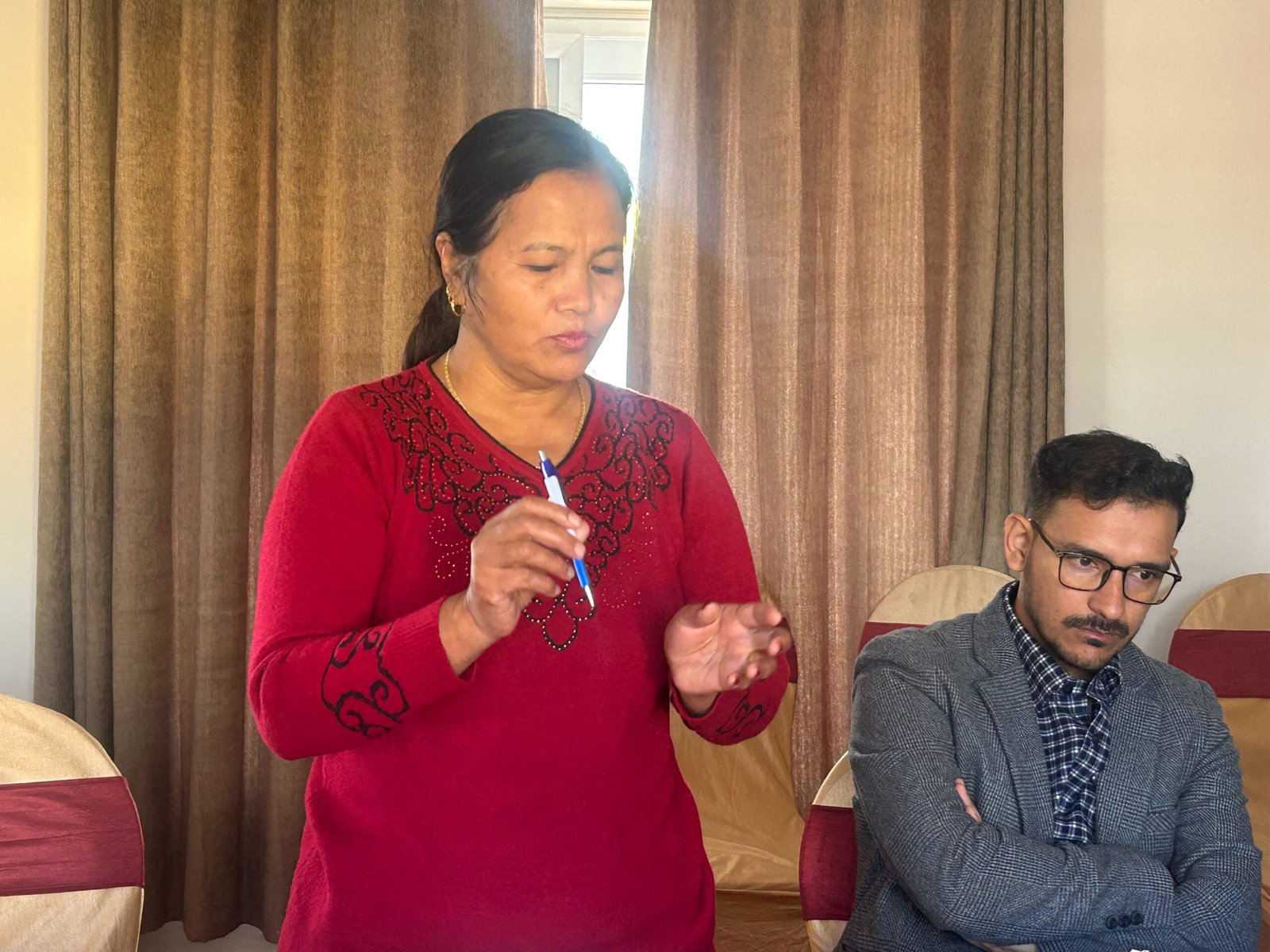
The discussion concluded with a shared emphasis on collective action. Participants noted that addressing climate-related misinformation requires cooperation among government agencies, media organisations, universities, research institutions and local communities. They also stressed the importance of distinguishing between verified scientific information, weather forecasts and speculation, while ensuring that public communication during disasters informs citizens without creating unnecessary fear.
The programme was part of CMR-Nepal’s Nepal Climate Information Integirty Initiatives, supported by UNESCO’s Global Initiative for Information Intregrity on Climate Change (GIIICC).