
Academicians and civil society representatives discuss misinformation during Nepal’s 2026 elections
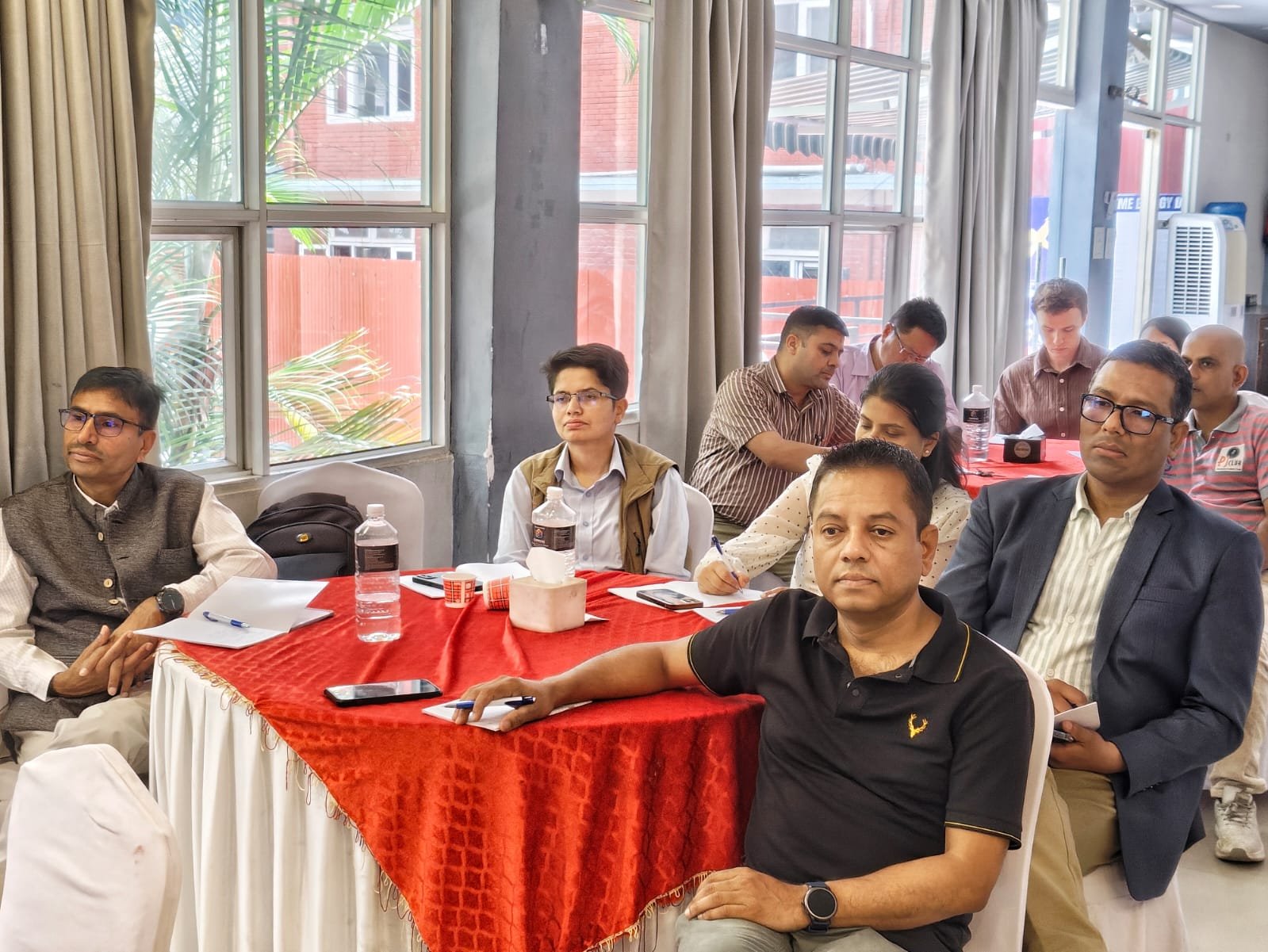
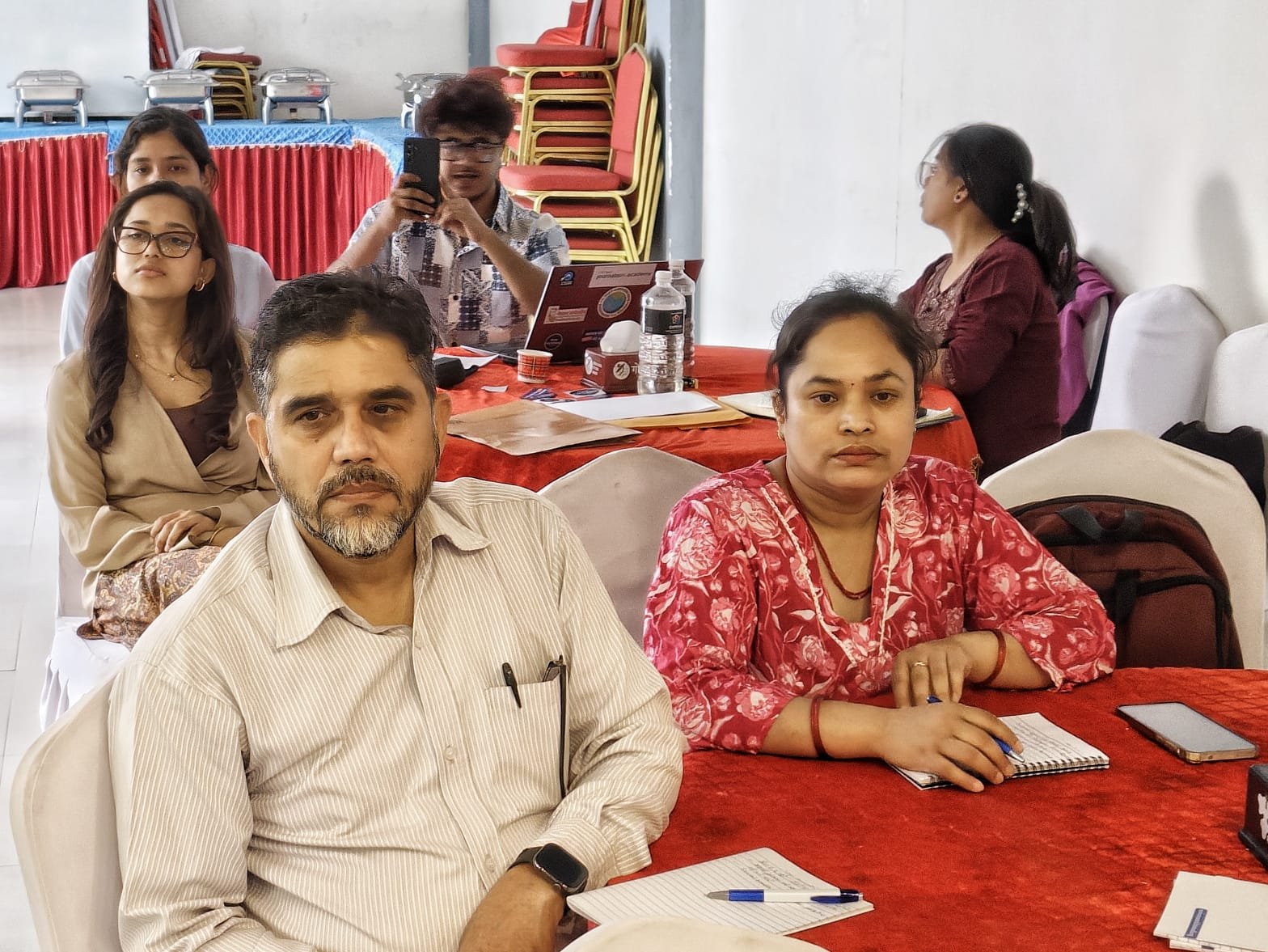
Center for Media Research-Nepal (CMR-Nepal) organized a stakeholder discussion on “Misinformation During Nepal’s 2026 Elections: Trends, Responses, Challenges and the Way Forward” in Kathmandu on June 26, 2026.
The discussion brought together 26 participants, including university teachers, civil society representatives and journalists. Among them, 17 were male and nine were female.
The program began with a presentation by CMR-Nepal in which key findings from CMR Nepal’s monitoring and research on misinformation during the 2026 elections were shared. The presentation highlighted major misinformation trends, the role of different actors and platforms, the interventions undertaken by various stakeholders, achievements, faced challenges and recommendations for future action.
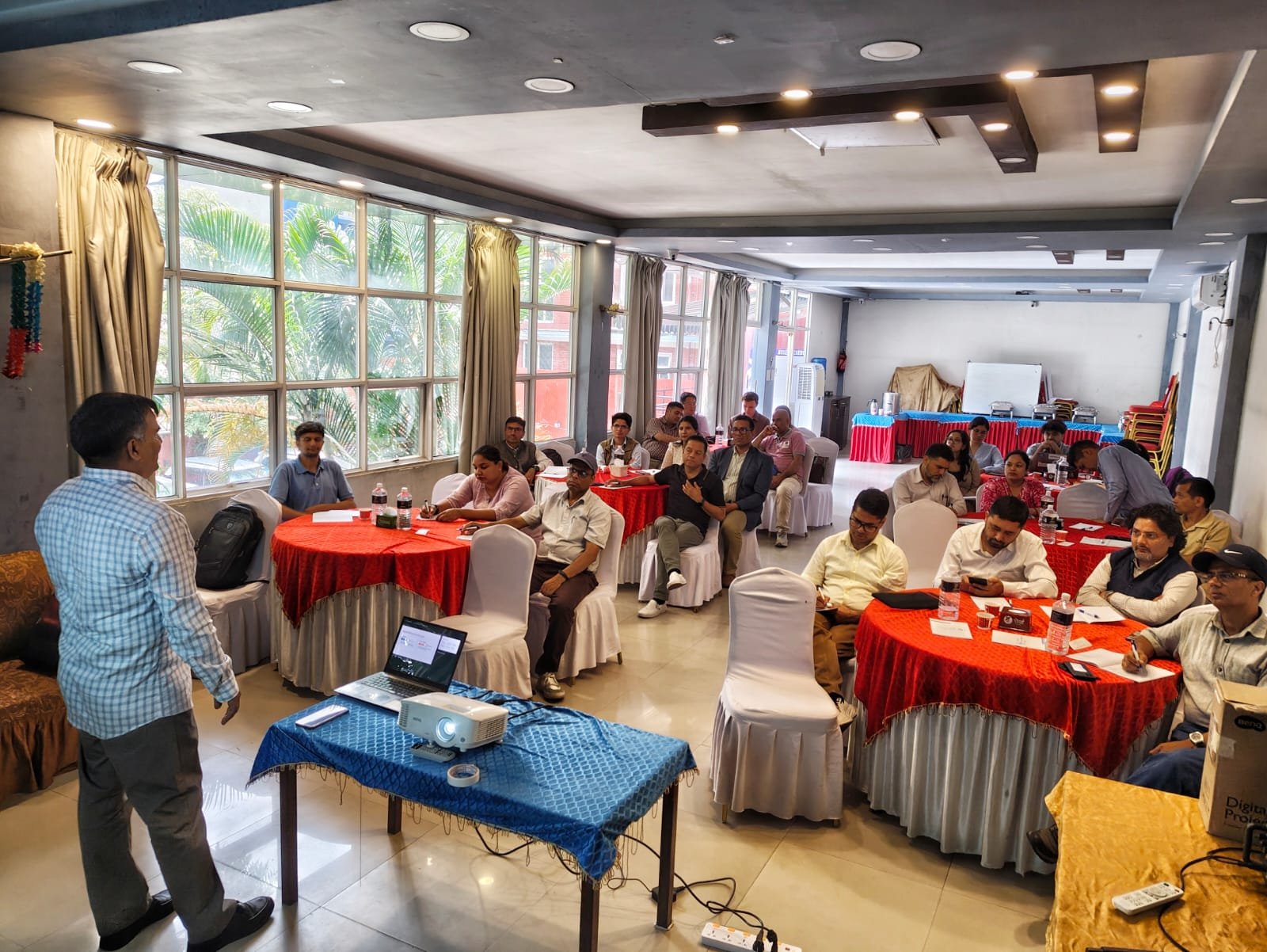
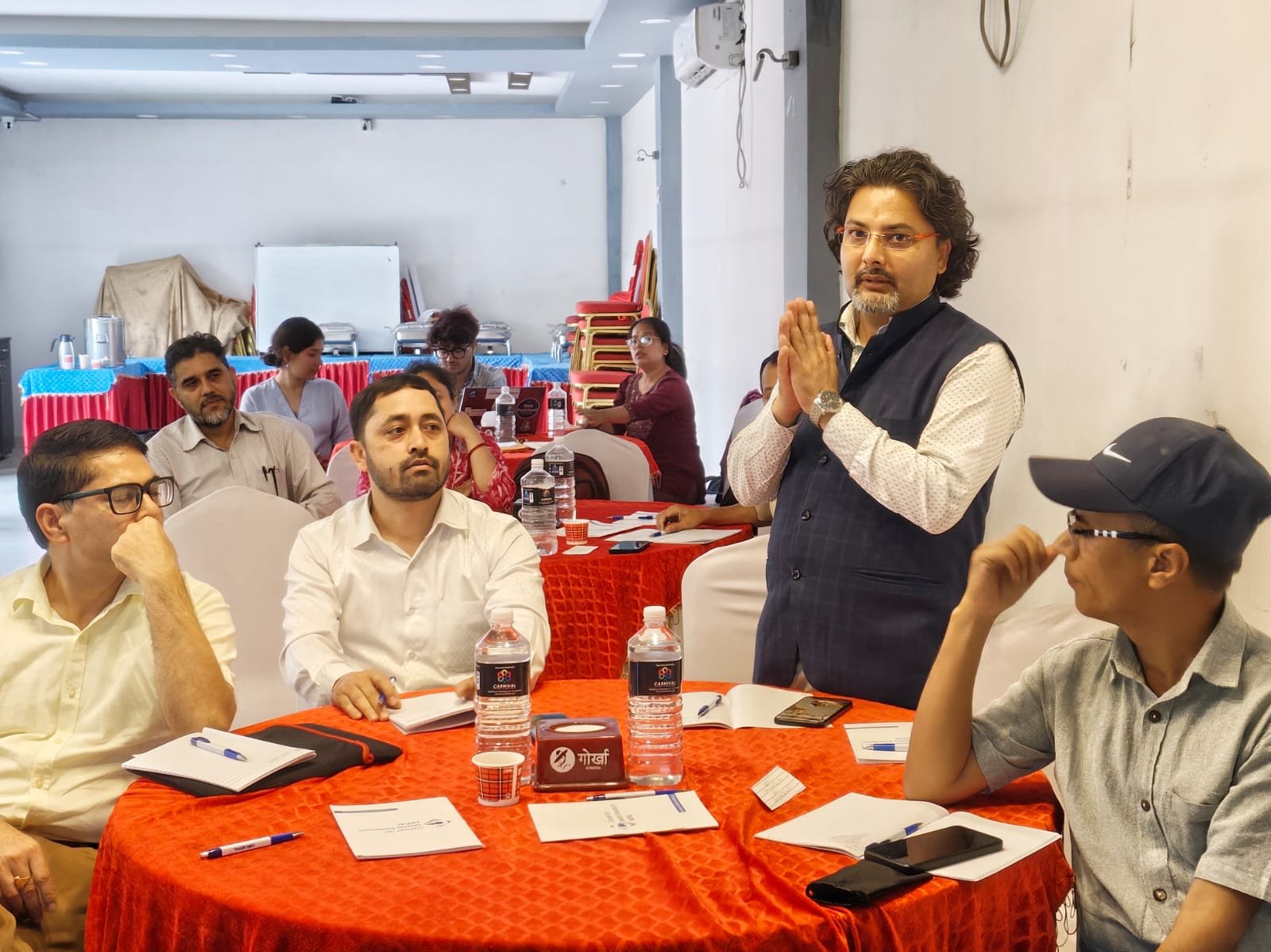
The presentation was followed by an interactive discussion in which participants appreciated the research while offering suggestions for strengthening future studies and policy responses. Tula Adhikari, Praju Pant, Dr. Ghamraj Luitel, Shree Ram Khanal, Aruna Joshi, Santosh Sigdel, Rameshwor Karki and Trishna Acharya shared their perspectives on emerging misinformation trends during the 2026 elections and discussed ways to strengthen research, policy responses, media literacy and multi-stakeholder collaboration.
Participants emphasized the importance of expanding future research to include demographic characteristics of those spreading misinformation, including gender, age and geographical location. They also suggested examining the role of migration status, cross-border information flows and the use of artificial intelligence tools in producing and amplifying misinformation.
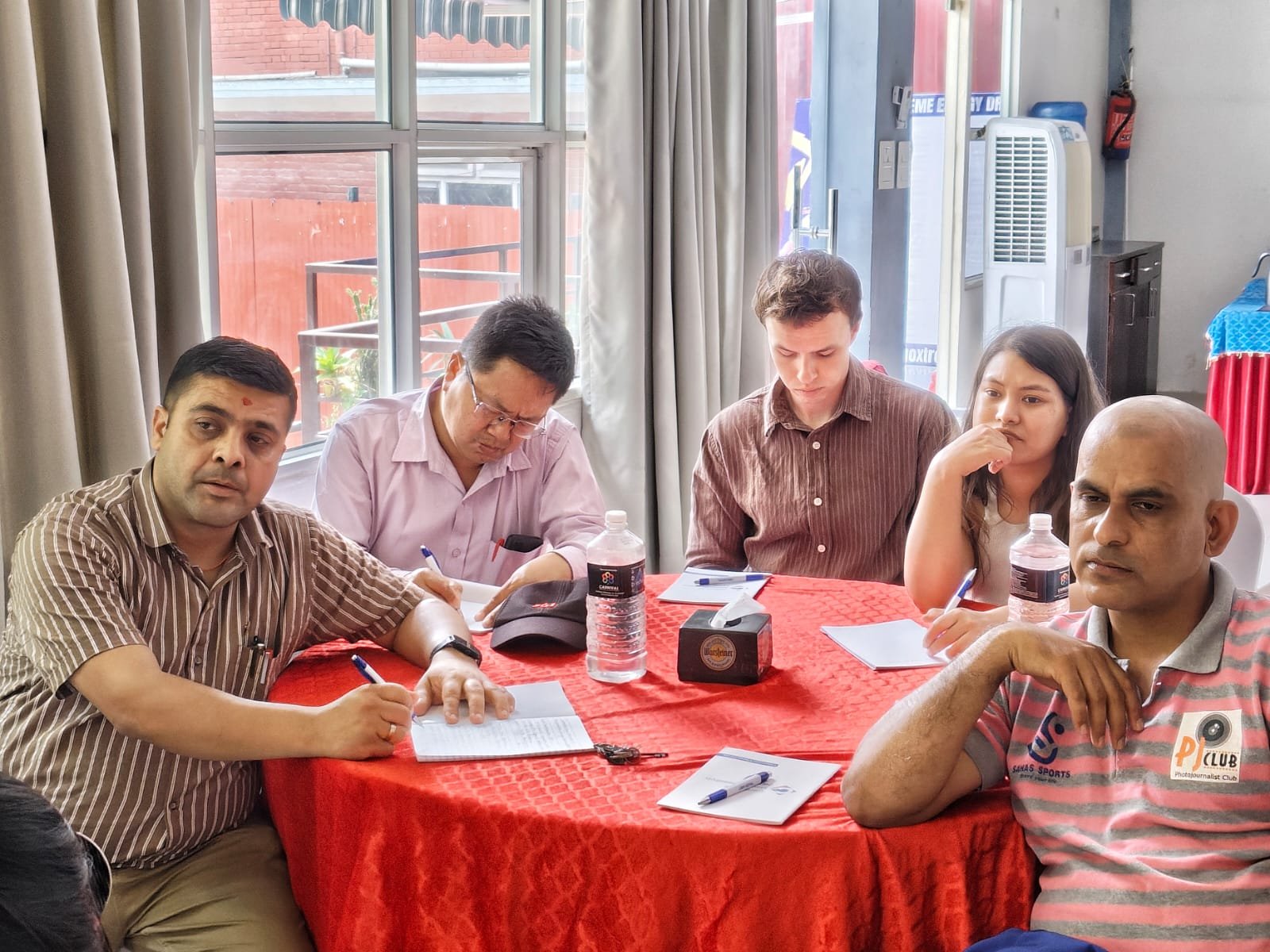
Several participants stressed that the findings would be useful for academic purposes. Dr.Luitel of Tribhuvan University shared that the university has introduced a master’s level course on combating misinformation and noted that CMR Nepal’s research and fact-checking work have already been valuable teaching resources. He said the findings presented during the discussion would further help students understand misinformation trends through real-world evidence.
Participants also recommended expanding monitoring to include emerging social media platforms and youth-led online communities, particularly those active on Instagram and other platforms popular among younger users.
The discussion highlighted the need for greater transparency in platform responses and government interventions against misinformation. Participants suggested that authorities should disclose what types of content are removed, under what legal basis, and through which reporting mechanisms. They also recommended assessing whether Nepal’s election laws and the Election Code of Conduct adequately addressed misinformation during the elections and whether existing provisions were effectively implemented.
Several speakers cautioned that efforts to counter misinformation should not become grounds for excessive legal restrictions on freedom of expression. They emphasized that future policy responses should balance the need to address harmful misinformation while safeguarding fundamental rights.
Participants further suggested that future research should classify misinformation based not only on who spreads it but also on the type of harm it seeks to create, such as voter suppression, incitement to violence, hate speech or social division. Such analysis, they noted, would support the development of more effective response strategies.
The discussion also underscored the need for stronger collaboration among academic institutions, civil society organizations, media organizations, election management bodies and policymakers. Participants encouraged CMR-Nepal to share its findings with the Election Commission and other relevant institutions to help strengthen preparedness for future elections, including the upcoming local elections.
The program concluded with a shared understanding that misinformation remains a growing challenge in Nepal’s digital information environment and that evidence-based research, media literacy, transparency and multi-stakeholder collaboration will be essential to effectively respond to future information disorders.