Deepak Aryal Elected Chairman of CMR-Nepal

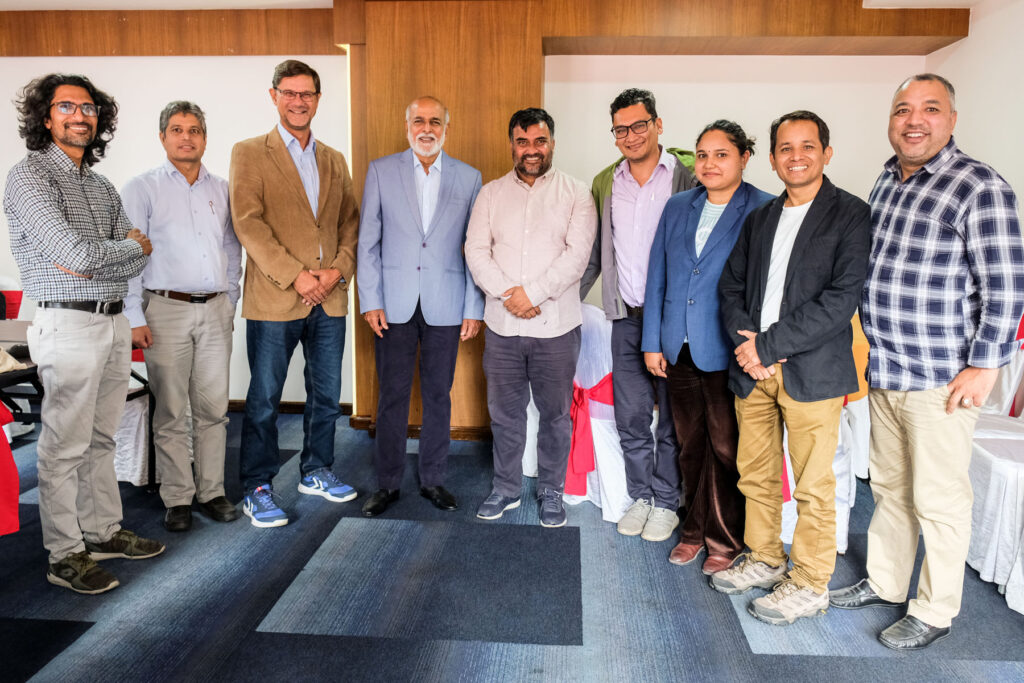
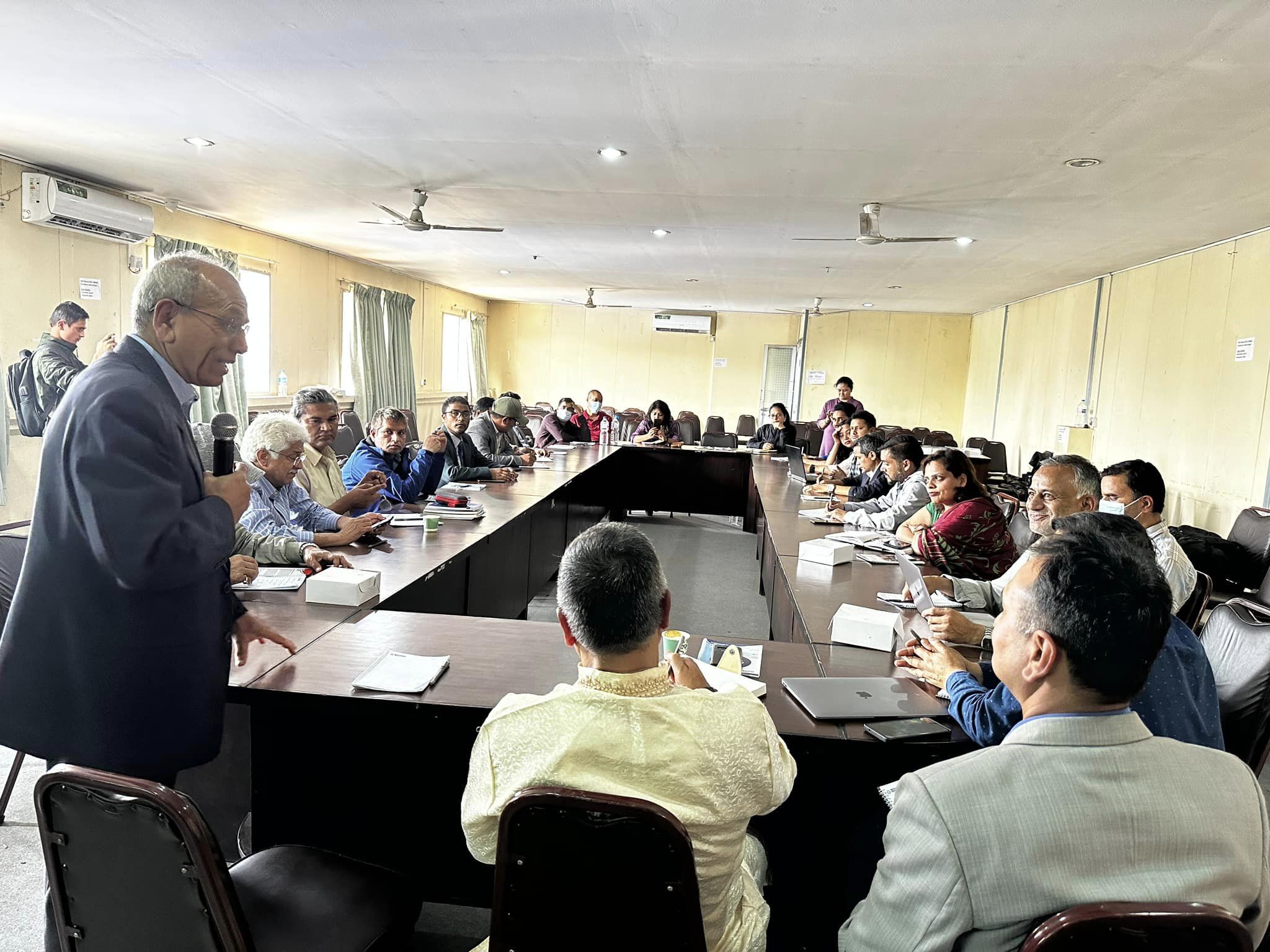
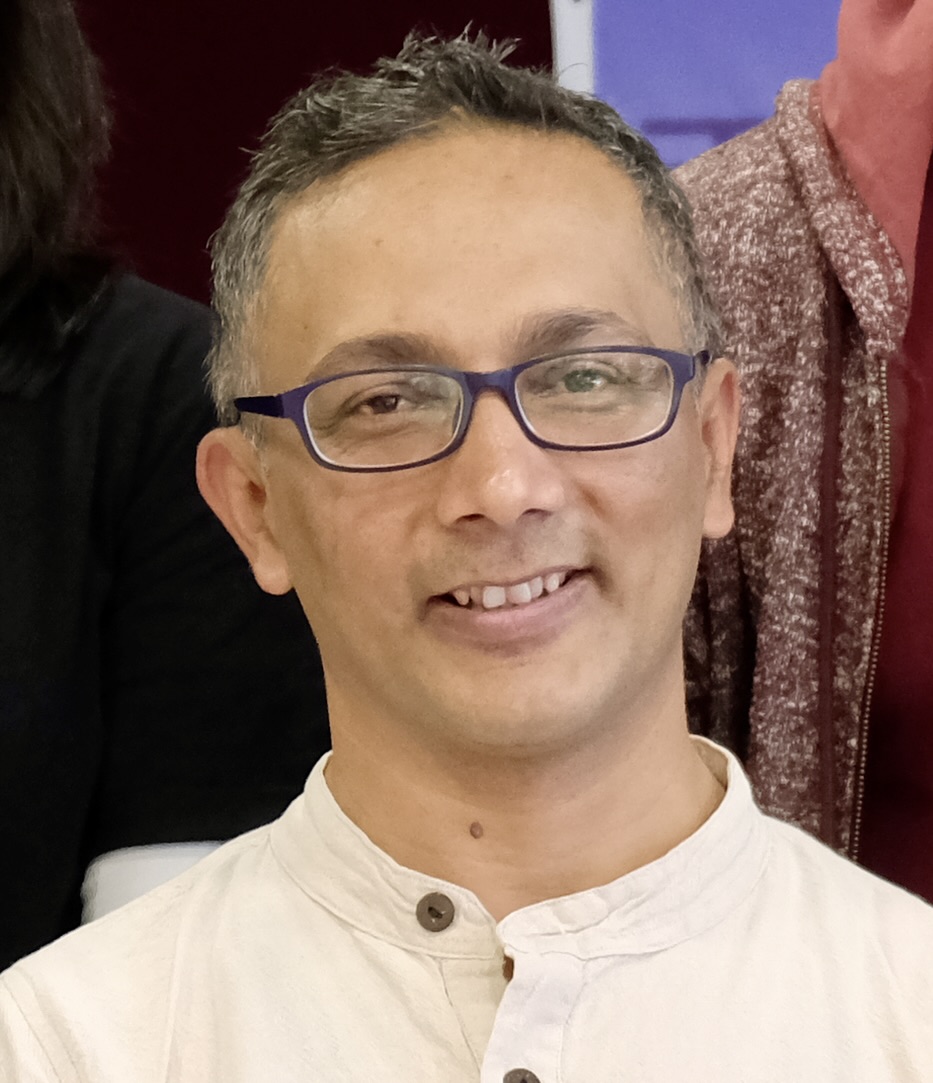
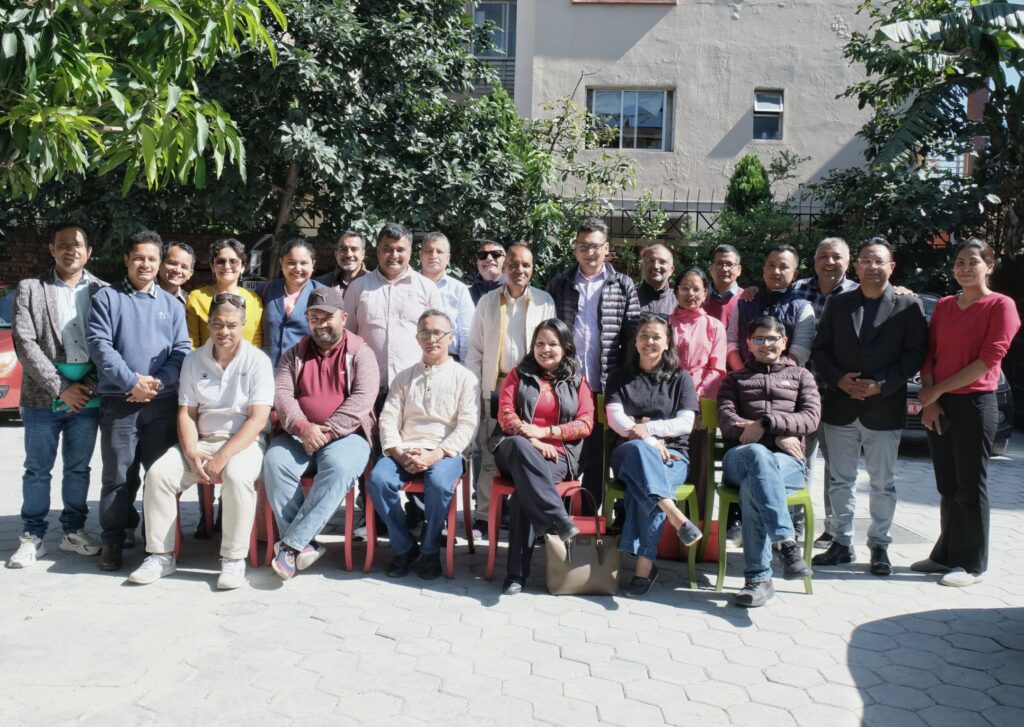
Center for Media Research Nepal (CMR-Nepal) has unanimously elected Deepak Aryal as its Chairperson. The 11th Annual General Meeting of CMR-Nepal held in Kathmandu elected Aryal as the new Chairperson on November 2, 2023, to lead the organization for the next two years.

Aryal is an academic engaged in teaching journalism and mass communication. He has a keen interest in media research, history, and sociology, with several publications in the field.
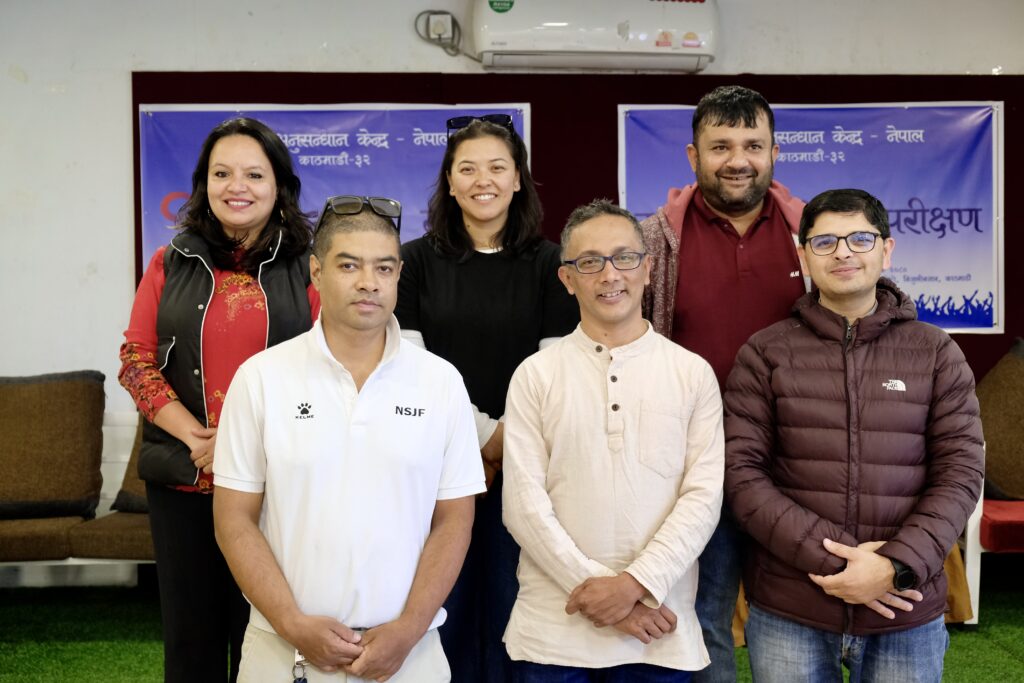
Aryal takes over from Mrs. Trishna Acharya, who completed her tenure from 2021 to 2023. The Assembly also elected Ms. Shruti Shrestha as Vice-Chairman, Mr. Navin Khatiwada remained as Secretary, Mr. Himesh Bajracharya as Treasurer, and Mr. Kanchan Adhikari, Ms. Aneeta Shah, and Ms. Sunita Karki as Executive Committee members.

Speaking at the AGM, Chairperson Aryal announced that CMR-Nepal would venture into new initiatives to develop independent publications to showcase CMR-Nepal’s presence in the field of policy and the academic sector. He further pledged commitments to take CMR-Nepal to new heights and continue the innovative work done by his predecessor.
During the AGM, Secretary of CMR-Nepal, Navin Khatiwada, presented a report updating the members on the project activities launched by CMR-Nepal in the fiscal year 2079/2080. Khatiwada informed about six projects launched by CMR-Nepal and pledged continuity in working in the field of media and journalism sector. He emphasized the need to campaign against misinformation and disinformation and promote media literacy in the upcoming years.

He also informed that CMR-Nepal would continue to expand fact-checking and engage in capacity building for journalists through the Journalism Academy. Furthermore, he stated that CMR-Nepal would develop cooperation with international organizations.

On behalf of Treasurer Shruti Shrestha, Khatiwada also presented the financial report of the organization. He presented the audit report of 2079/2080. Both documents presented by the Secretary and Treasurer were passed by the AGM.
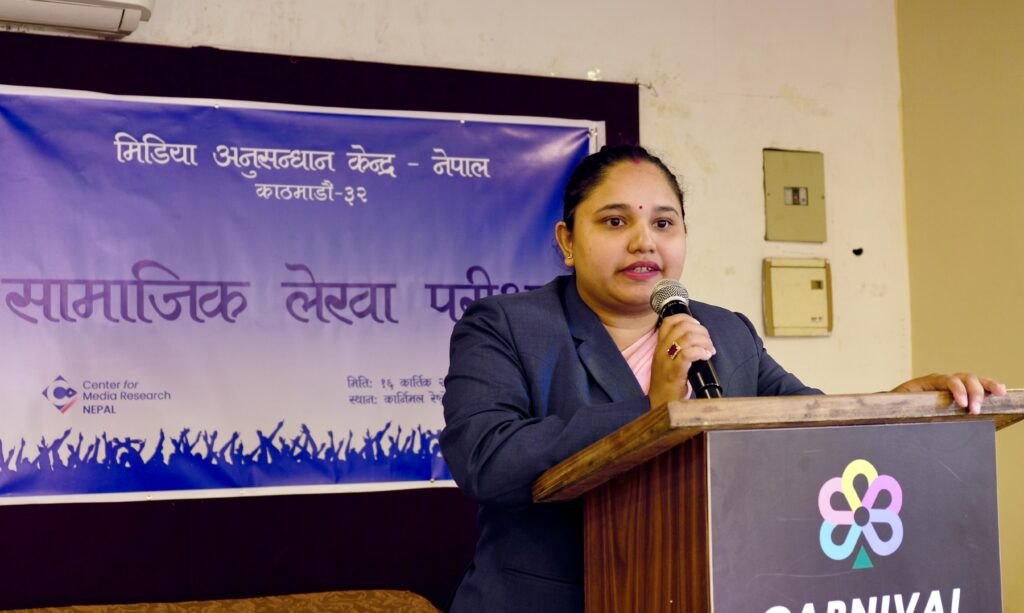
Speaking at the program, outgoing Chairperson Trishna Acharya said that CMR-Nepal has continued to evolve as a think tank and has played a crucial role in the development of the media research tradition in Nepal. She thanked the media fraternity, academics, and the international community for their continued support for the organization.
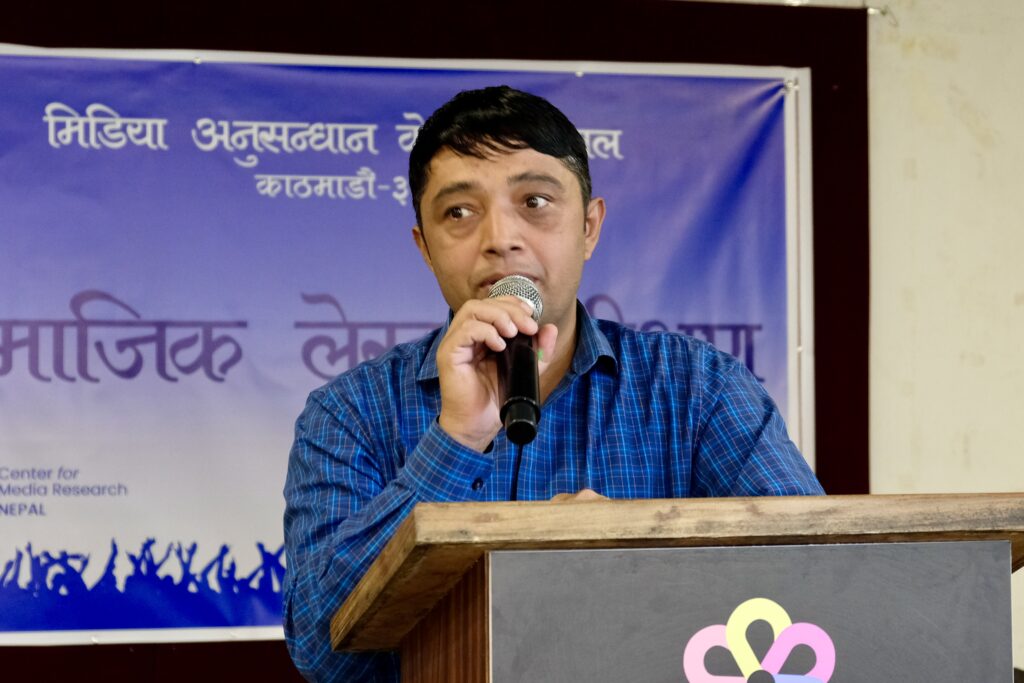
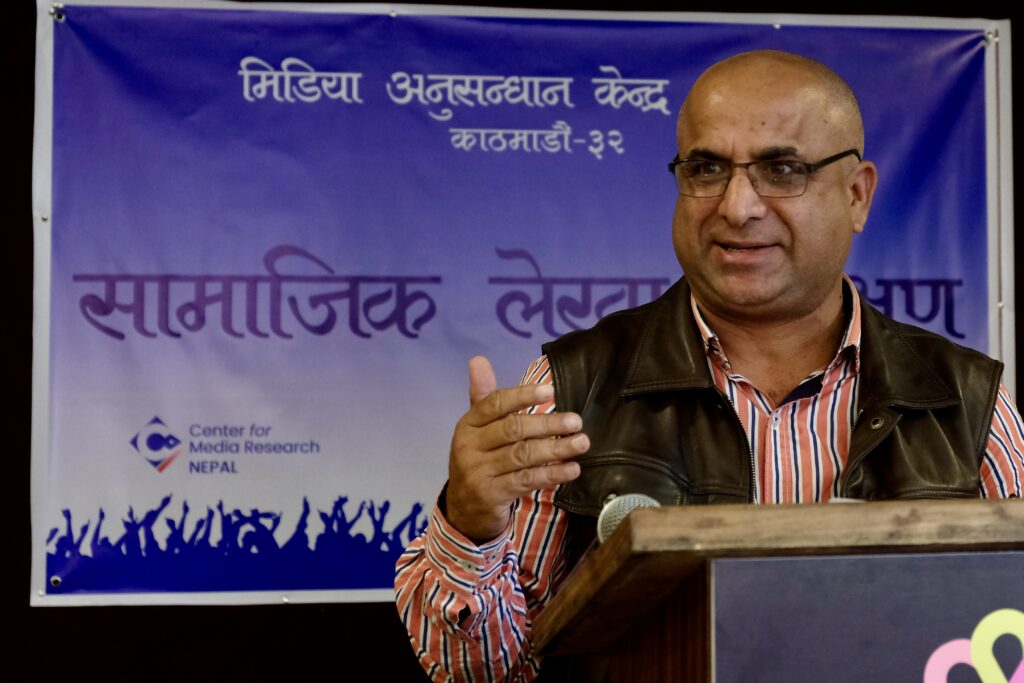
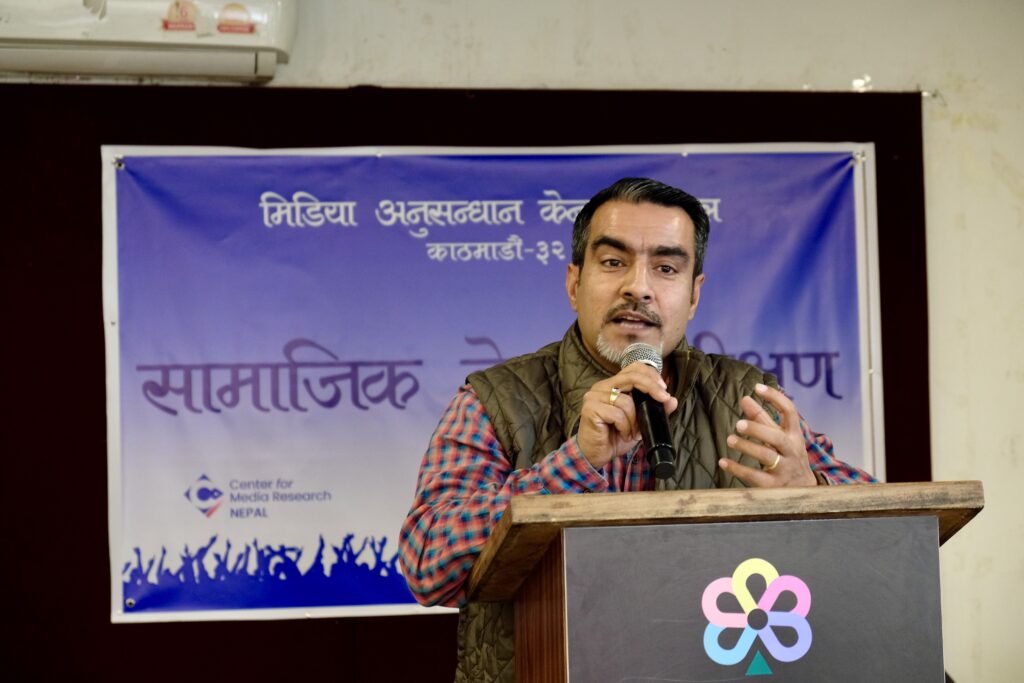
CMR-Nepal Conducts 2nd Social Audit Program

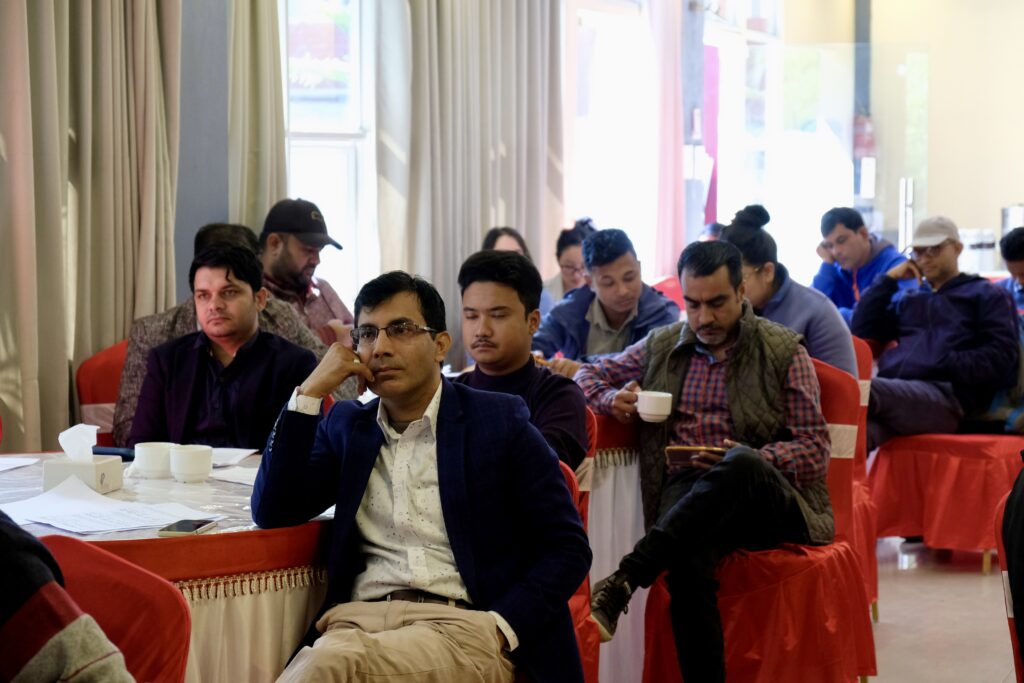
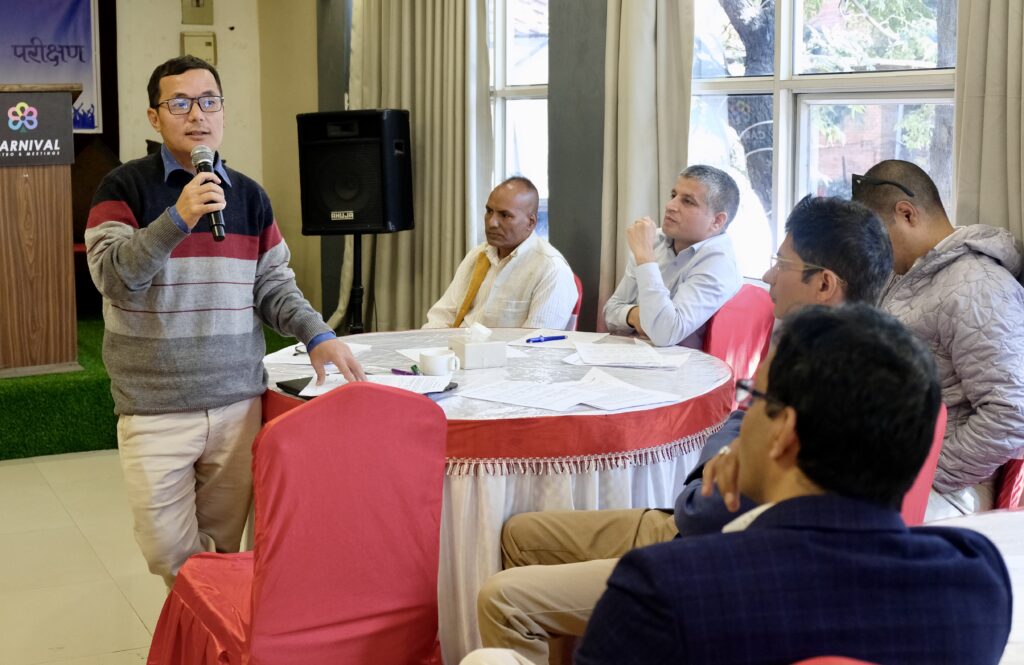
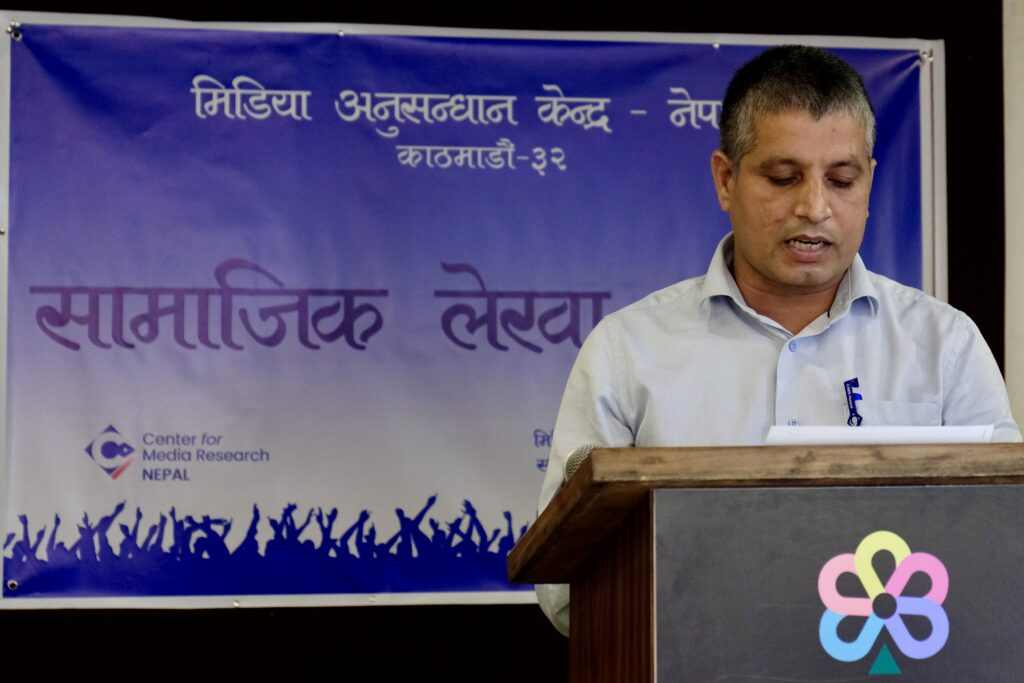
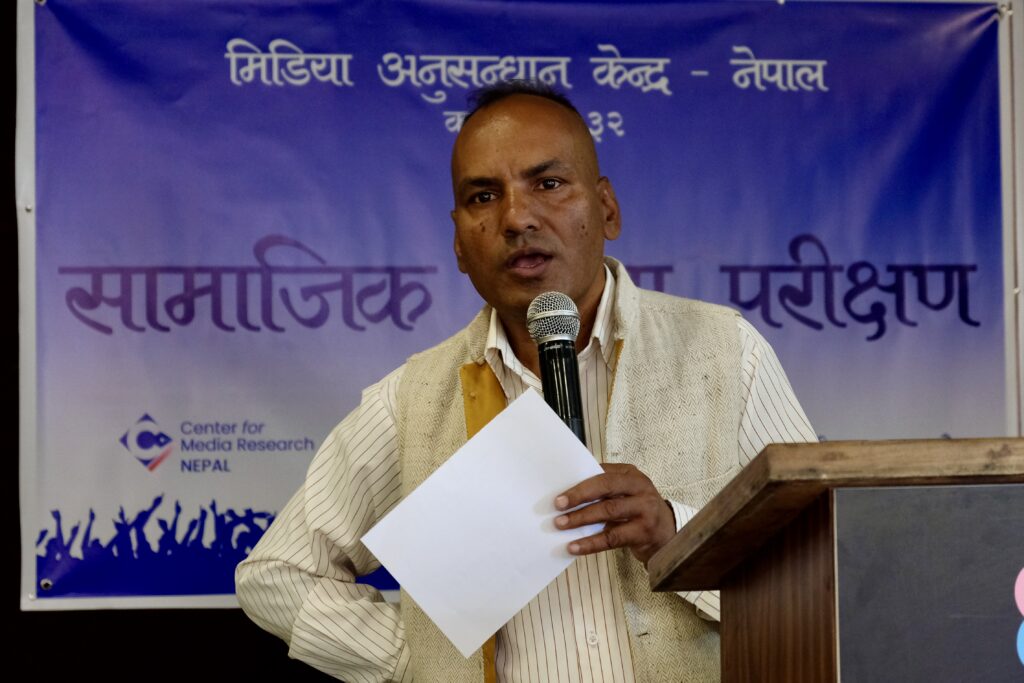
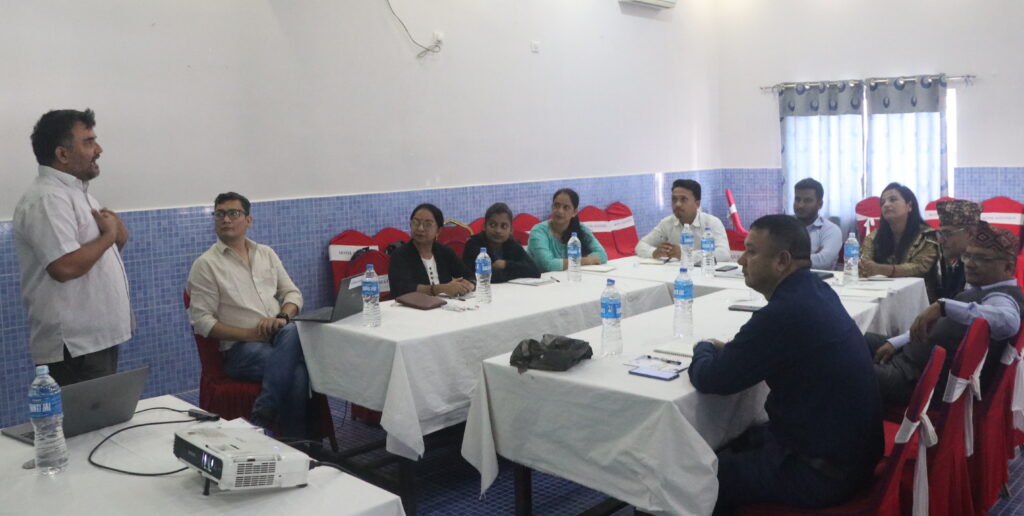
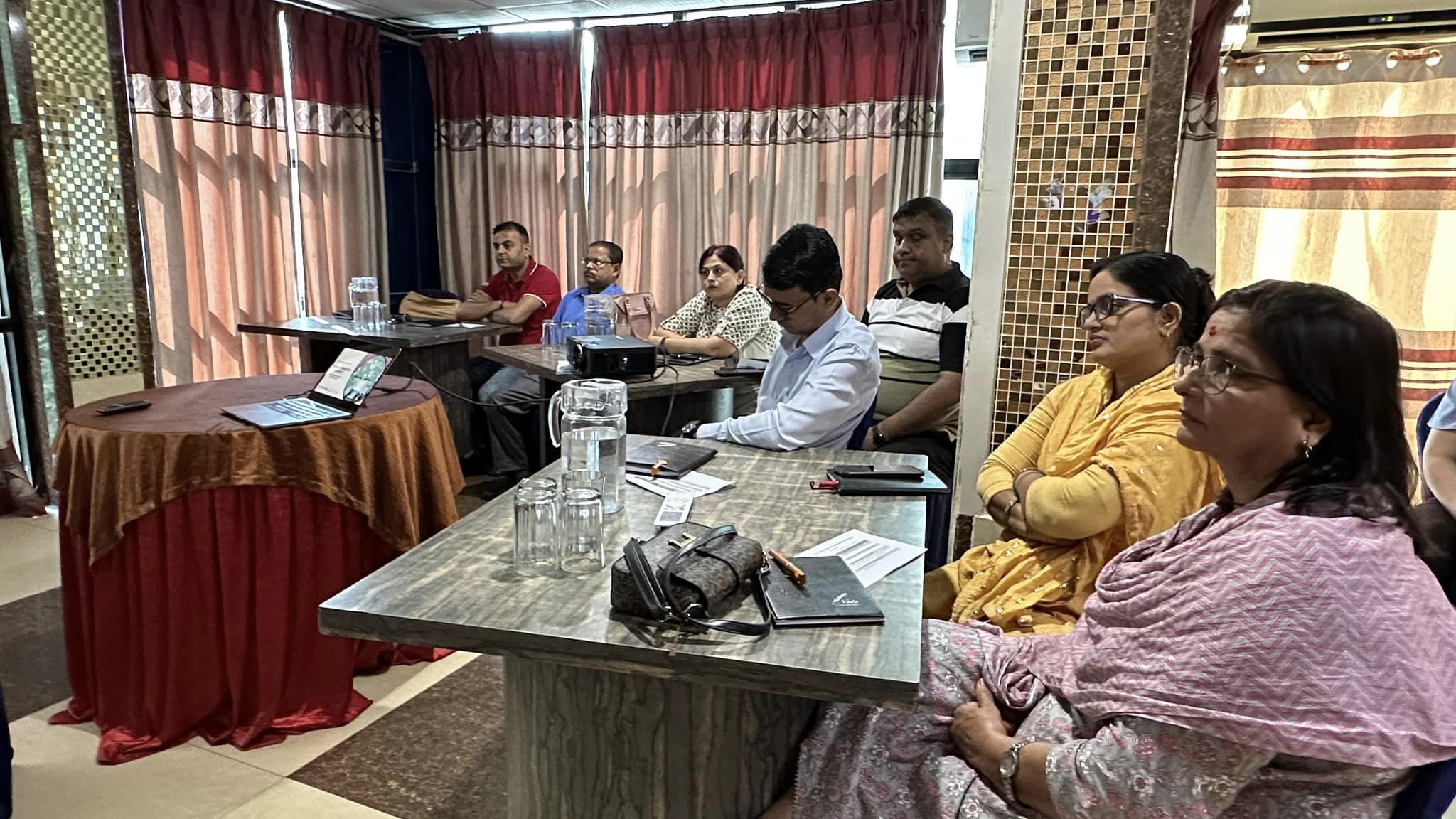
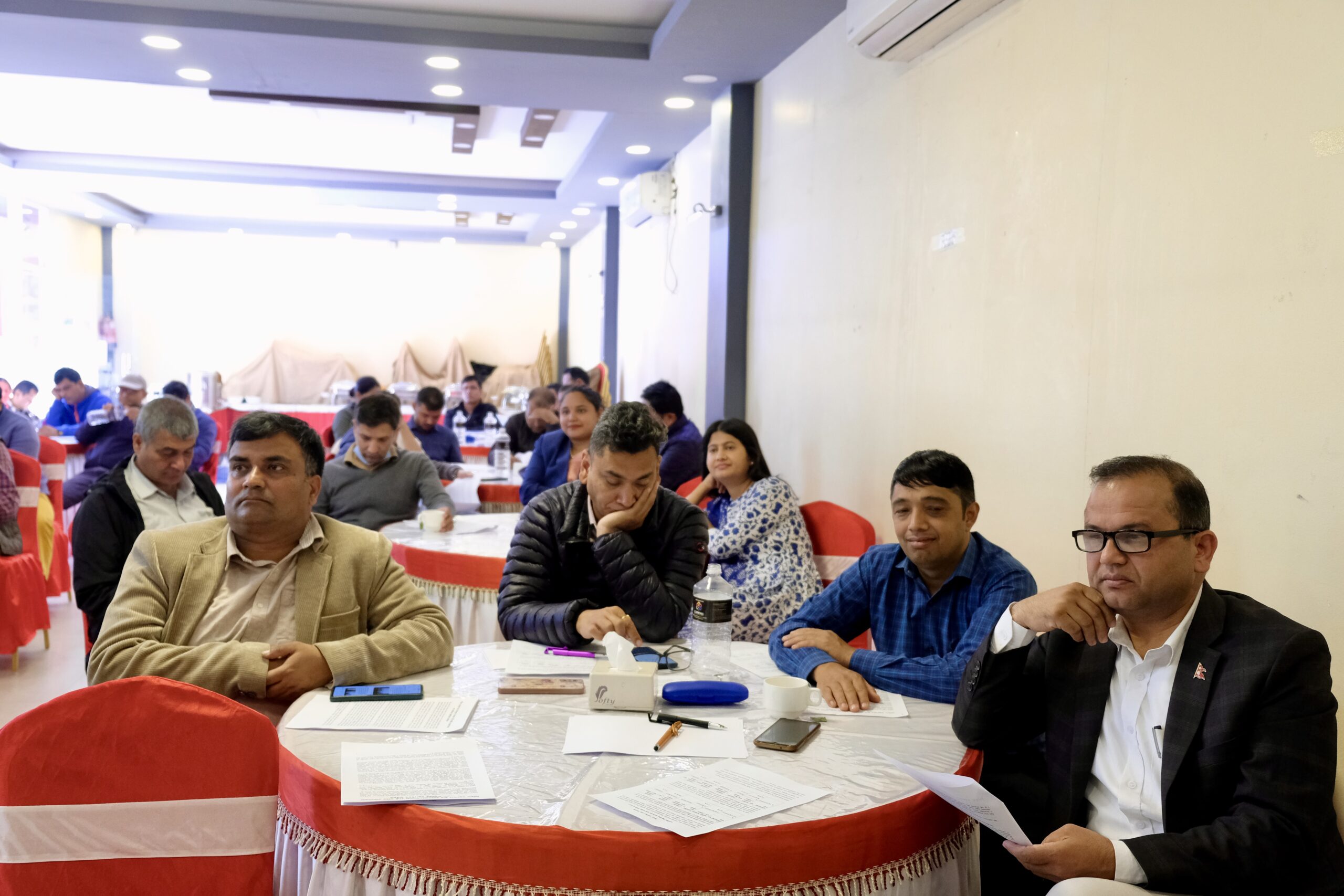
Center for Media Research-Nepal (CMR-Nepal) conducted its Second Social Audit Program in Kathmandu for the year 2023, reviewing a wide range of programs and activities involving diverse stakeholders, beneficiaries, and supporting organizations.

During the program, various stakeholders emphasized the importance of collaborative efforts with CMR-Nepal to advance the media domain through research, highlighting the critical role of capacity building.

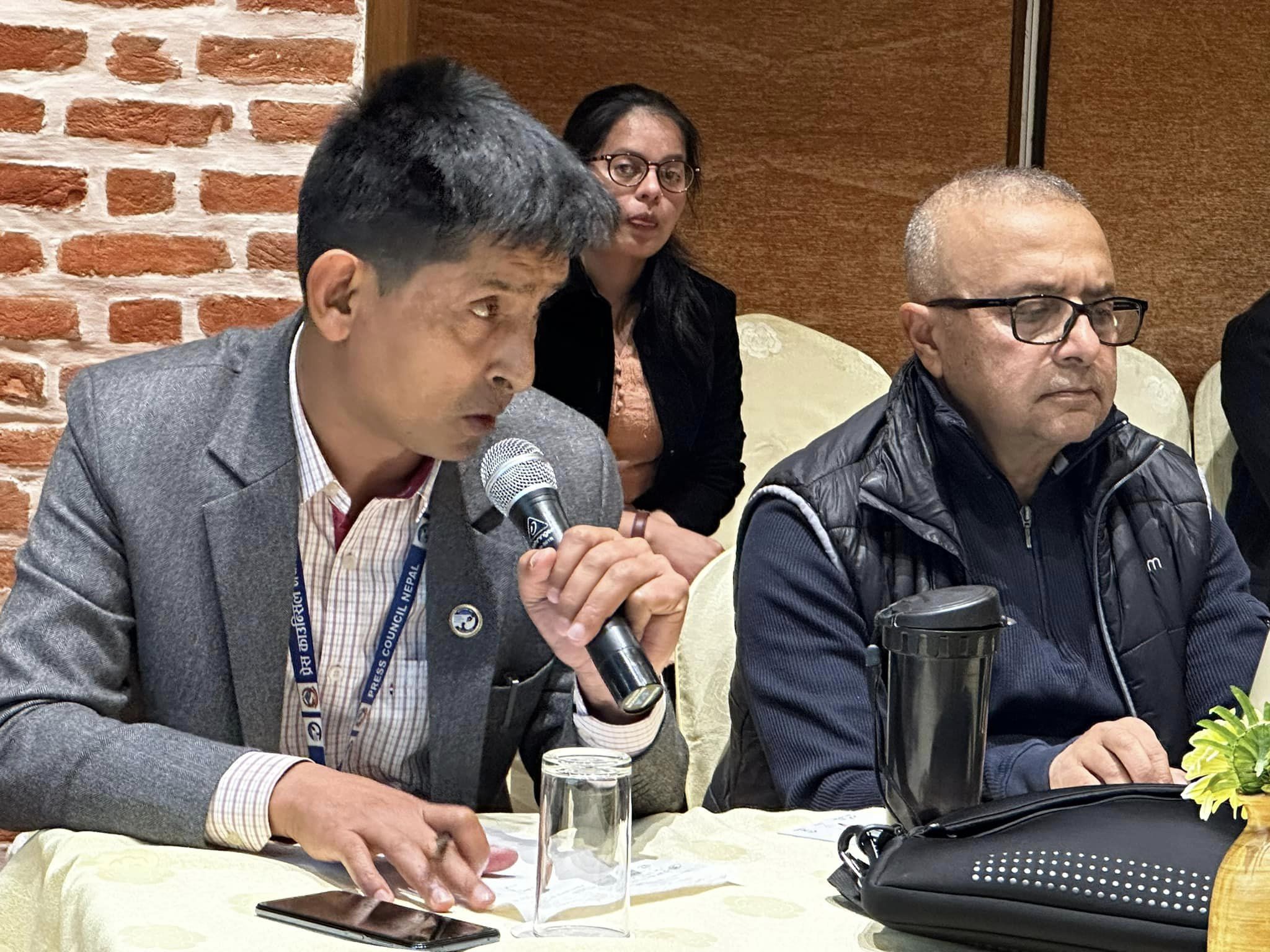
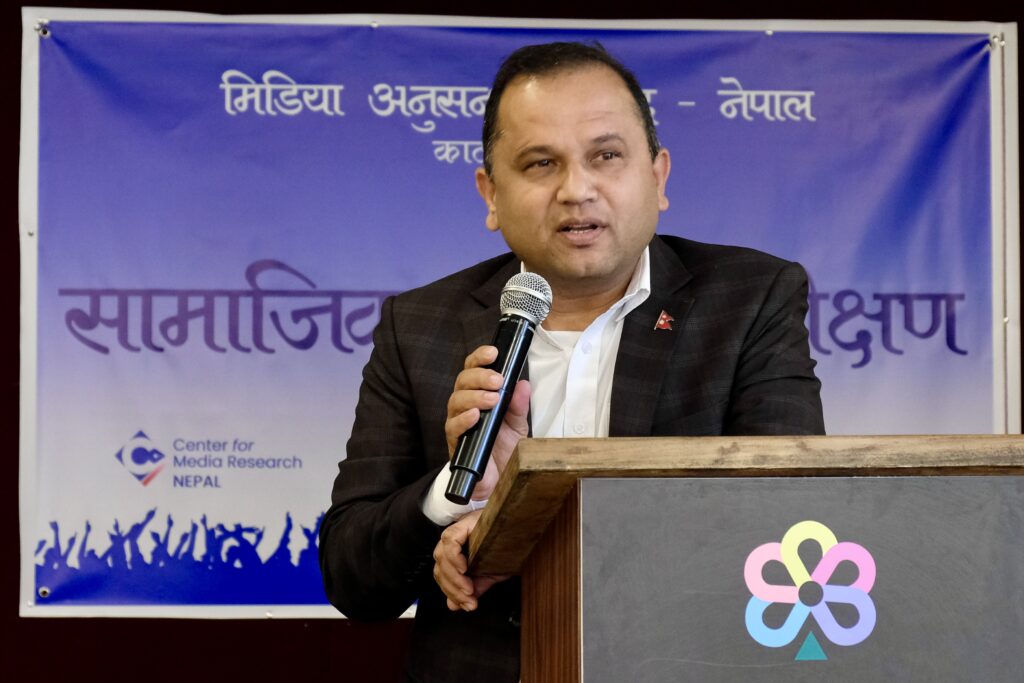
Addressing the audience, Bal Krishna Basnet, Chairman of Press Council Nepal, underscored the significance of “collaboration for improved journalism” in addressing current misunderstandings about journalism. Basnet emphasized the need for CMR-Nepal to collaborate with government agencies in the development of technology-driven journalism in Nepal.

Basnet also stressed the need to raise awareness about journalism, the impact of social media on journalism, and the challenges of misinformation and discrediting journalism, highlighting CMR-Nepal’s pivotal role in addressing these issues.

Roshan Puri, the General Secretary of the Federation of Nepali Journalists, emphasized the importance of working in the field of media and information literacy to safeguard the integrity of journalism.

Hari Dhungana, an Associate Professor at Nepal Open University, acknowledged the challenges of resource management in the current context and commended CMR-Nepal for its effective resource mobilization efforts, contributing to an open society and efficient media development over the years.

Dhungana also highlighted the necessity of adapting to the changes brought about by technology in the ever-evolving media landscape.

Lekhanath Pandey, an Assistant Professor at Tribhuvan University, pointed out the significant role played by CMR-Nepal in combating misinformation and disinformation, sparking discussions among various stakeholders and the public at large.

Beneficiaries of CMR-Nepal projects shared their experiences with the CMR-Nepal Journalism Academy. Journalists Praju Panta and Mani Dahal, who received training in data journalism, praised the engaging blended-format training that spanned three months. They highlighted how this training enhanced their ability to develop news stories using data and utilize new technology for data retrieval.

Journalist Pawan Acharya, also serving as the Secretary of FNJ, recognized the significance of podcast training as a new storytelling genre that has enabled the production of podcast stories.

Om Astha Rai, Senior Media Advisor of The Asia Foundation, emphasized how CMR-Nepal’s activities have supported the Civil Society and Media Project initiated by TAF to promote media integrity. He underscored the importance of organizing social audit programs involving various stakeholders and beneficiaries.

During the program, Executive Director Tilak Pathak provided insights into the project activities conducted by CMR in the previous year, while Operation Director at CMR-Nepal, Bikash Karki, presented details of the financial and budget allocation for organizing the project activities.

The program’s Social Auditor, Raghunath Lamichhane, ensured its successful execution. Attendees included representatives from various media rights organizations, journalists, independent researchers, academia, grant-making organizations, and CMR members.

Sashi Kumar, founder chairman of Asian College of Journalism visits CMR-Nepal Journalism Academy

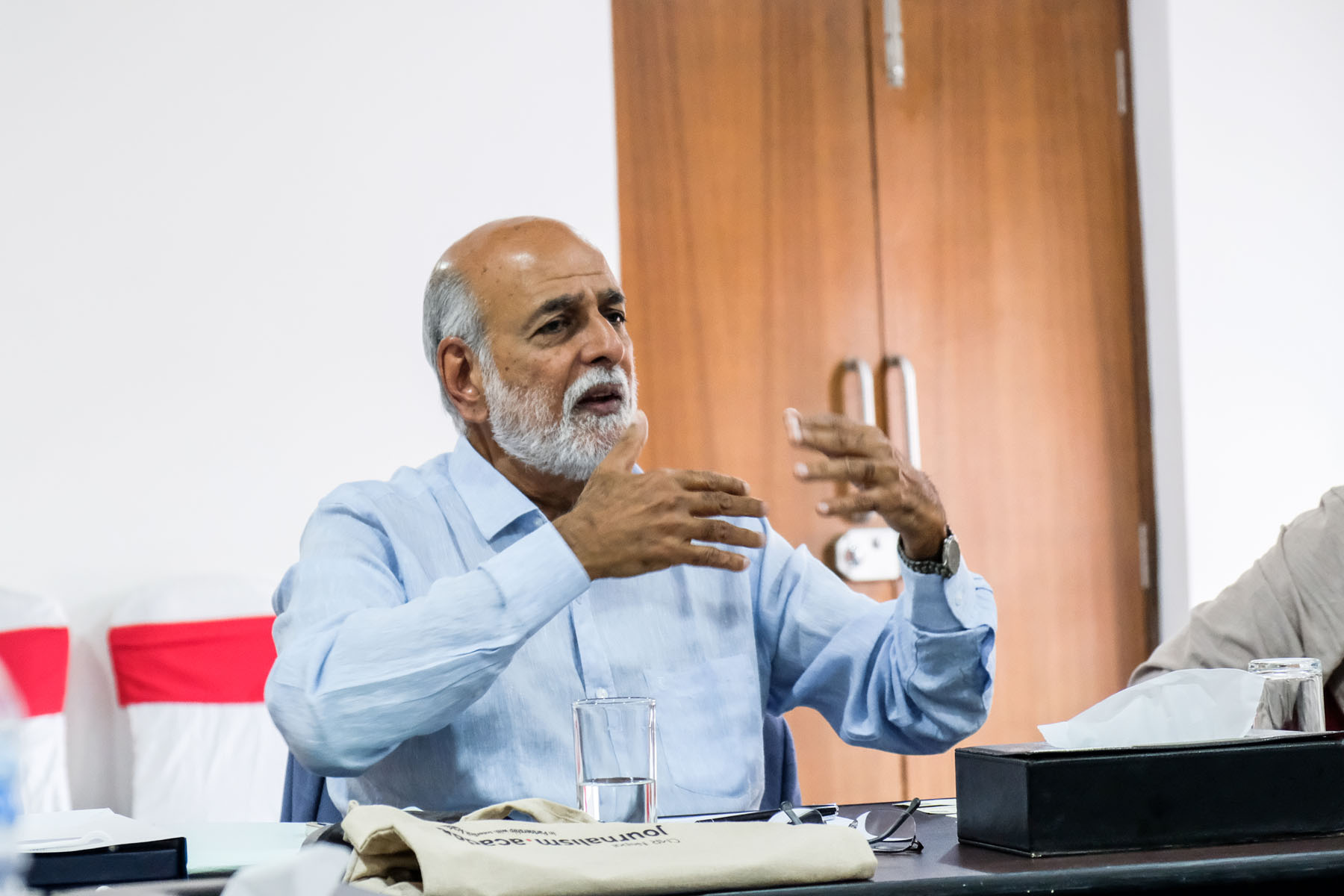
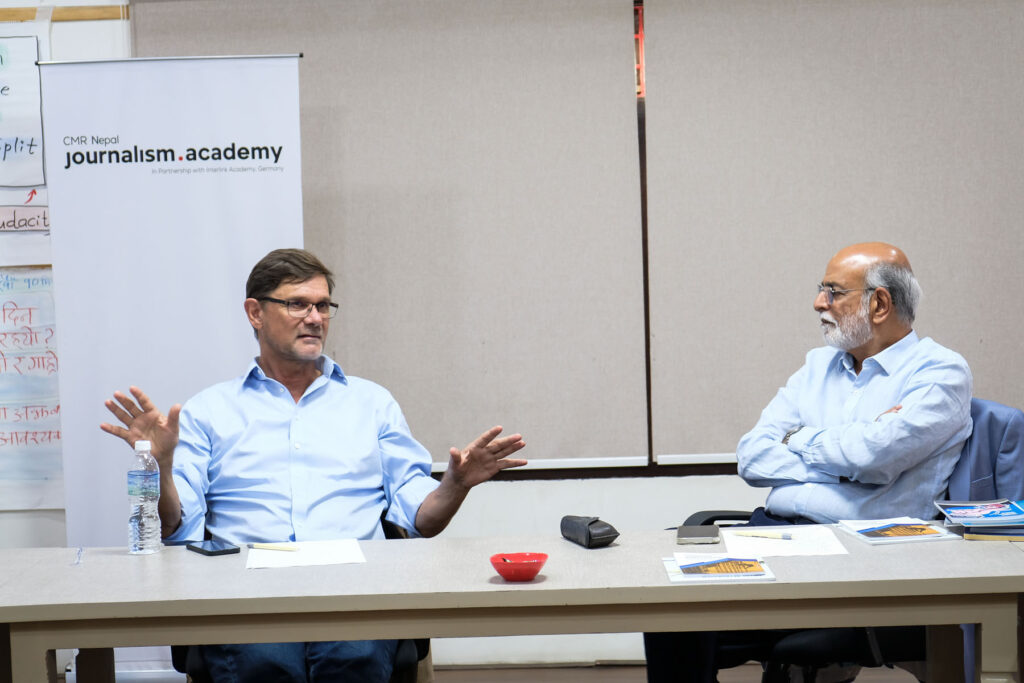
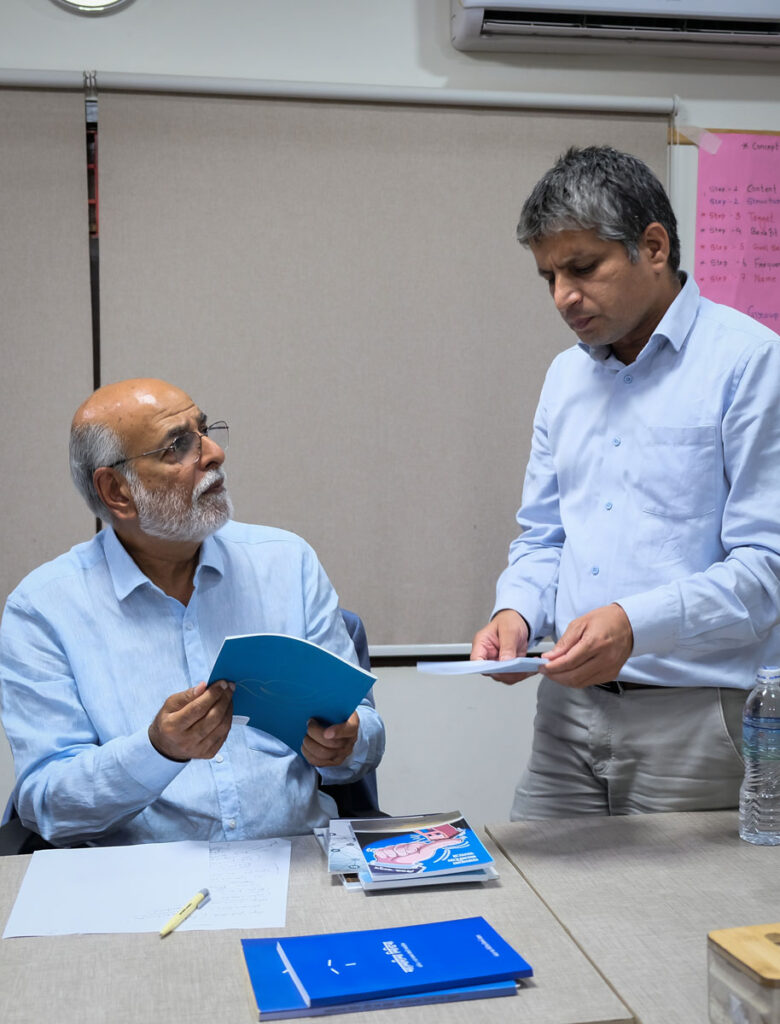
Mr. Sashi Kumar, the distinguished founder chairman of the Asian College of Journalism (ACJ) in Chennai, India, embarked on a two-day visit to the CMR Nepal Journalism Academy, fostering collaboration and knowledge exchange. The visit took place on September 12 and 13, 2023, and featured a series of insightful sessions.

On the first day of his visit, Mr. Sashi Kumar actively engaged with the Academy’s management team in two key sessions.

In the first session, he introduced himself and his renowned institution, ACJ, providing an overview of the college’s history, mission, and contributions to journalism education.

The second session on the first day was led by Mr. Ujjwal Acharya, Managing Director of the Journalism Academy.
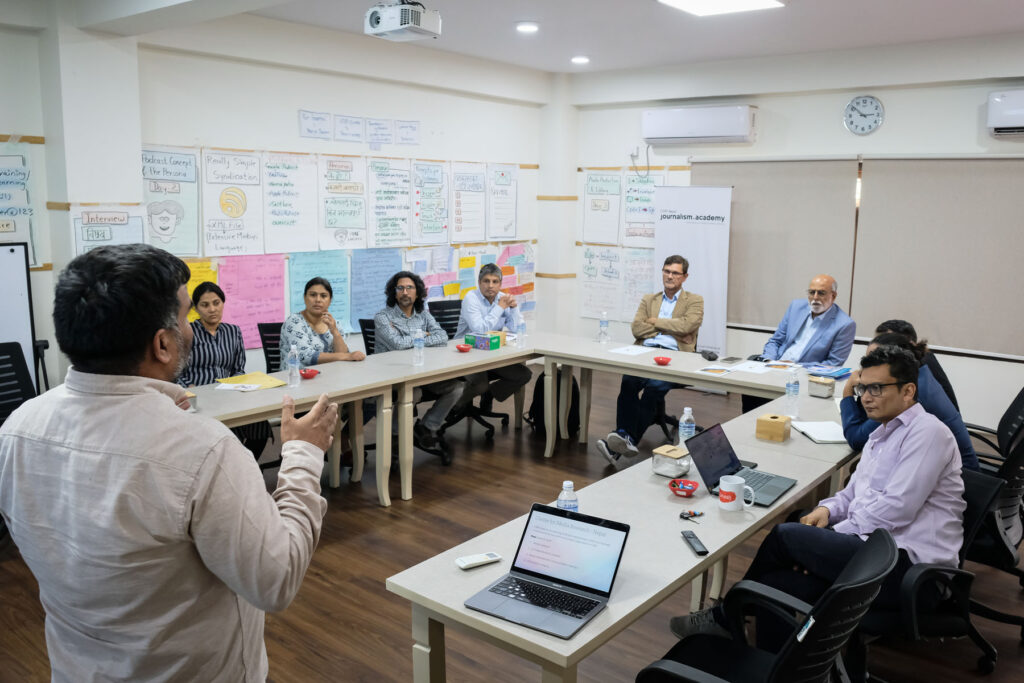
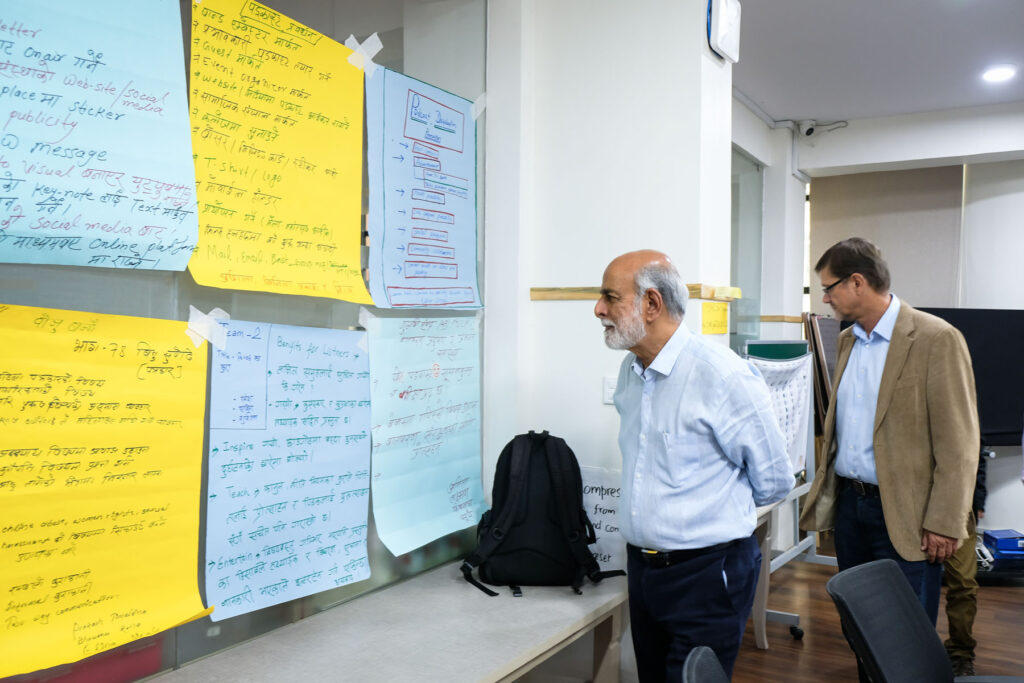
During this session, Mr. Acharya introduced the Academy, its diverse range of courses, and the core principles that guide its educational approach.

This informative exchange allowed for a comprehensive understanding of both institutions’ visions and objectives.

The discussions continued on the second day, where both parties delved into the challenges and sustainability aspects the Academy. Mr. Sashi Kumar brought valuable insights from his extensive experience in journalism education, shedding light on strategies for overcoming these challenges.

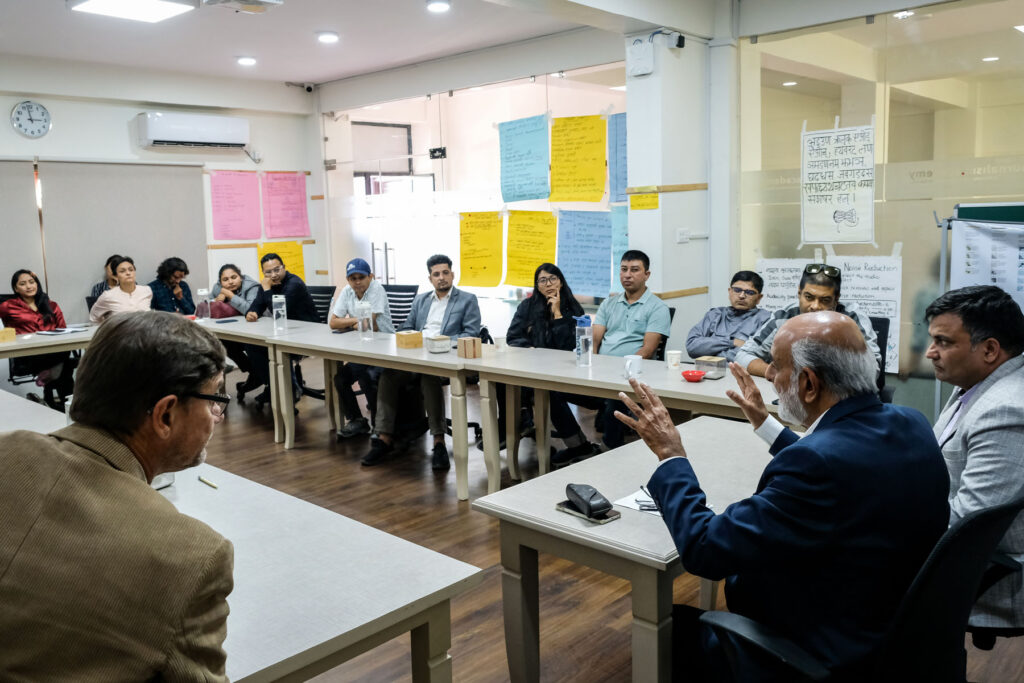
The second session on the second day expanded the conversation to include Academy’s trainers, CMR Nepal members, and ACJ alumni in Nepal.

This broader engagement enabled a deeper exploration of the intricacies and evolving challenges of journalism and journalism education. Mr. Sashi Kumar’s expertise and the presence of Interlink Academy’s Director, Werner Eggert, enriched the dialogue, providing a holistic perspective on these issues.

The visit of Mr. Sashi Kumar, a distinguished figure in journalism education, not only strengthened ties between ACJ and CMR Nepal Journalism Academy but also facilitated knowledge sharing and collaboration in the ever-evolving field of journalism.

Teachers in Biratnagar receive training on Media and Information Literacy

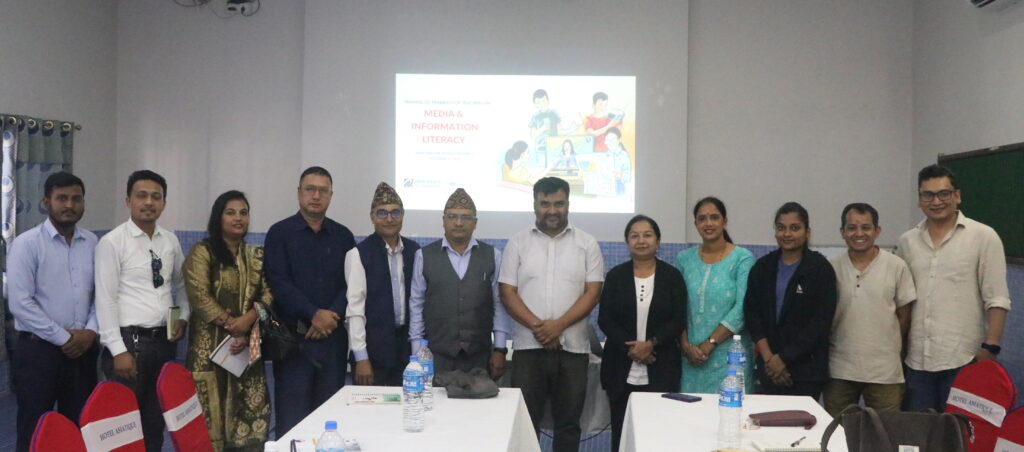
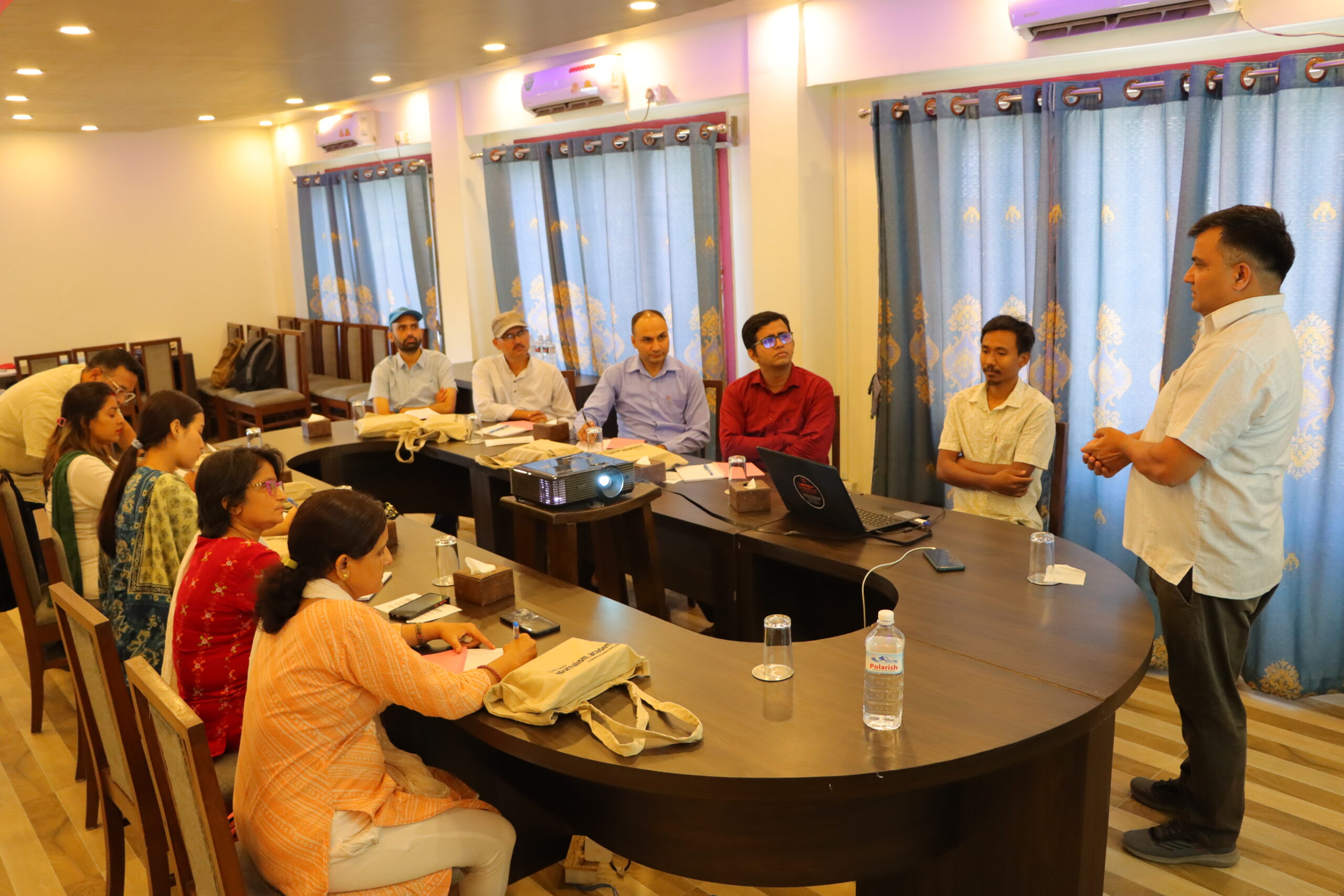
As continuation of our work on media and information literacy (MIL) in schools, a one-day Training of Trainers (TOT) session was conducted in Biratnagar on October 9. The workshop aimed to empower teachers with the knowledge and skills needed to promote MIL among their students.

Nine dedicated teachers from both private and community schools in the region participated in the TOT session. The event was organized by CMR-Nepal and received support from the Open Society Foundations (OSF).

The training equipped these educators with essential tools to teach students how to critically assess and navigate the vast landscape of information available in today’s digital age. MIL is increasingly recognized as a crucial skillset, allowing individuals to distinguish between reliable sources and misinformation.

One distinctive feature of this program is its practical application. Following the TOT session, the participating teachers will organize MIL workshops at their respective schools. CMR-Nepal has provided microgrants to support these workshops, ensuring that students benefit directly from the training received by their teachers.

CMR-Nepal plans to replicate similar workshops in four other provinces – Gandaki, Bagmati, Karnali and Sudupaschim, spreading the knowledge and skills related to MIL to a broader audience of students and teachers across the country.

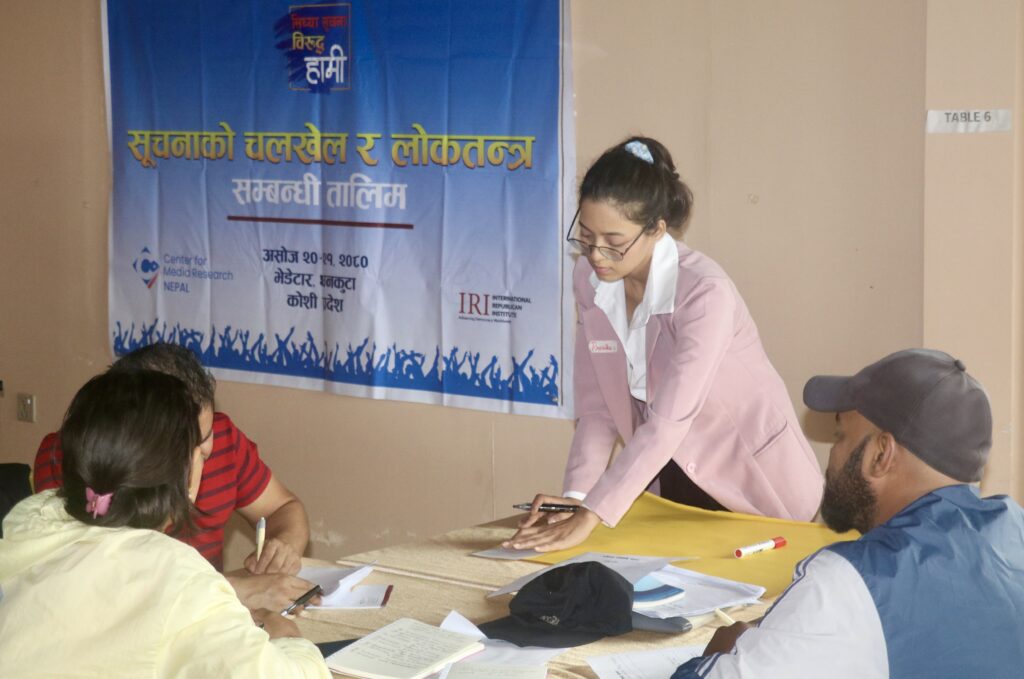
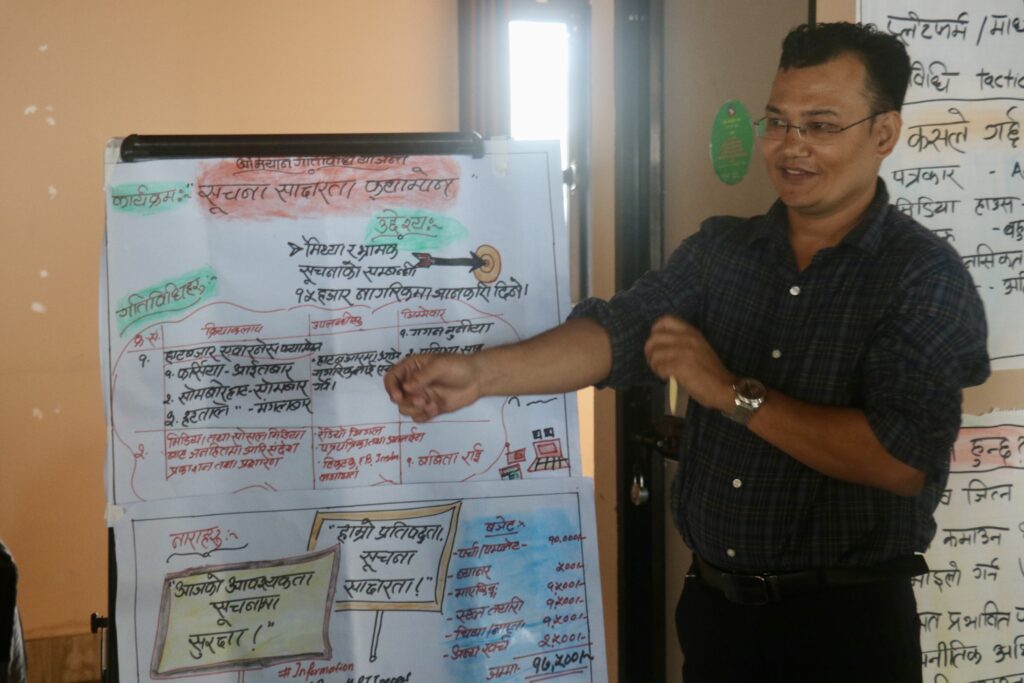
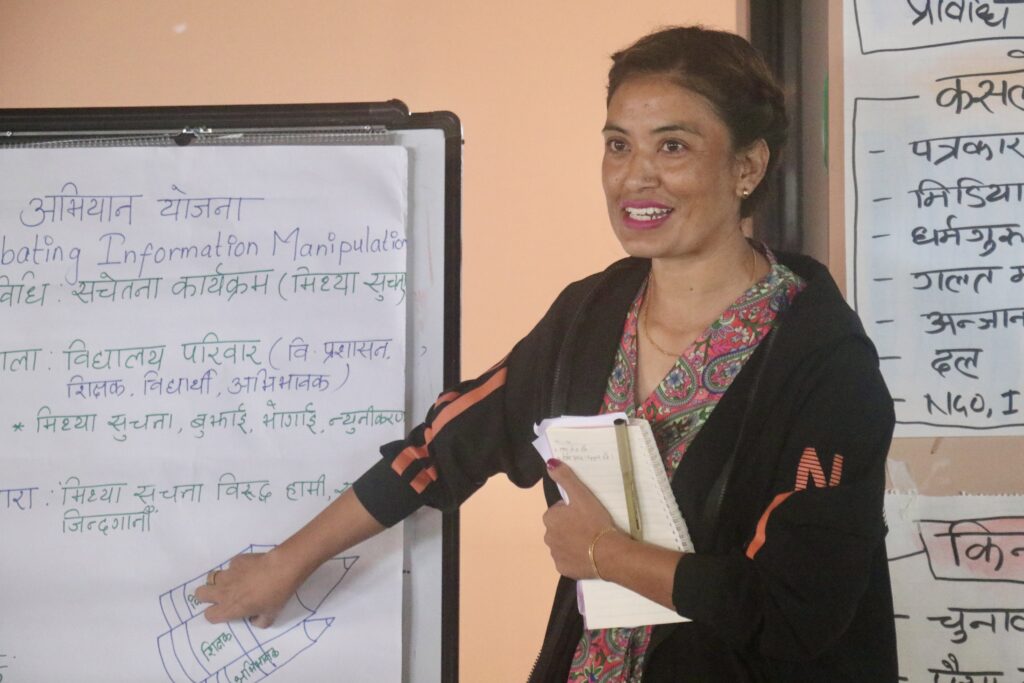
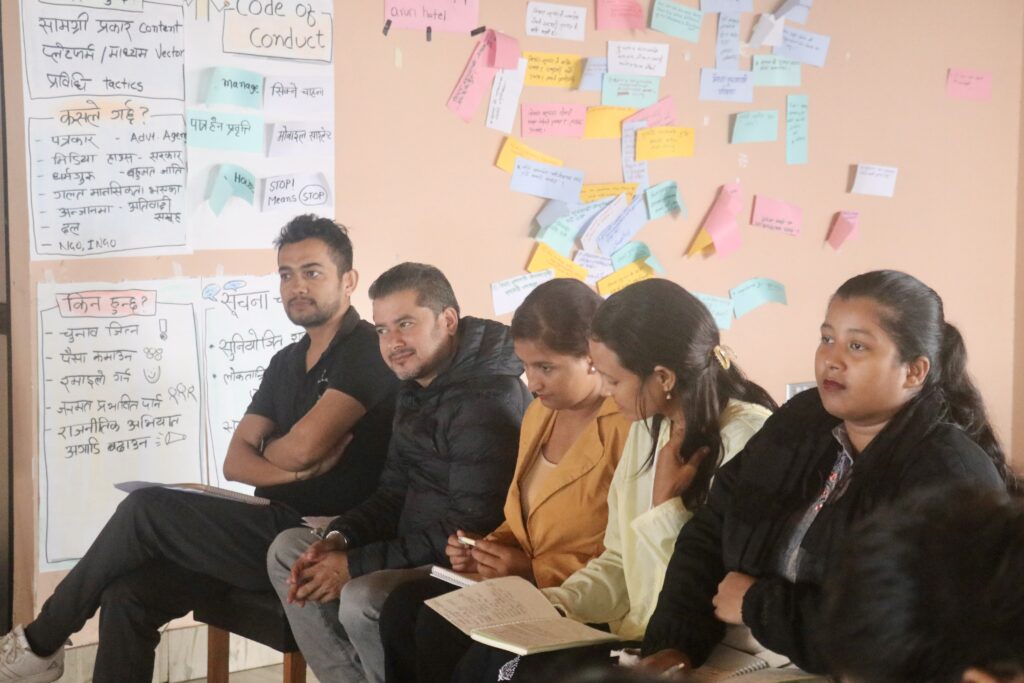
Two-day workshop on combating Information Manipulation held for youth leaders in Koshi province

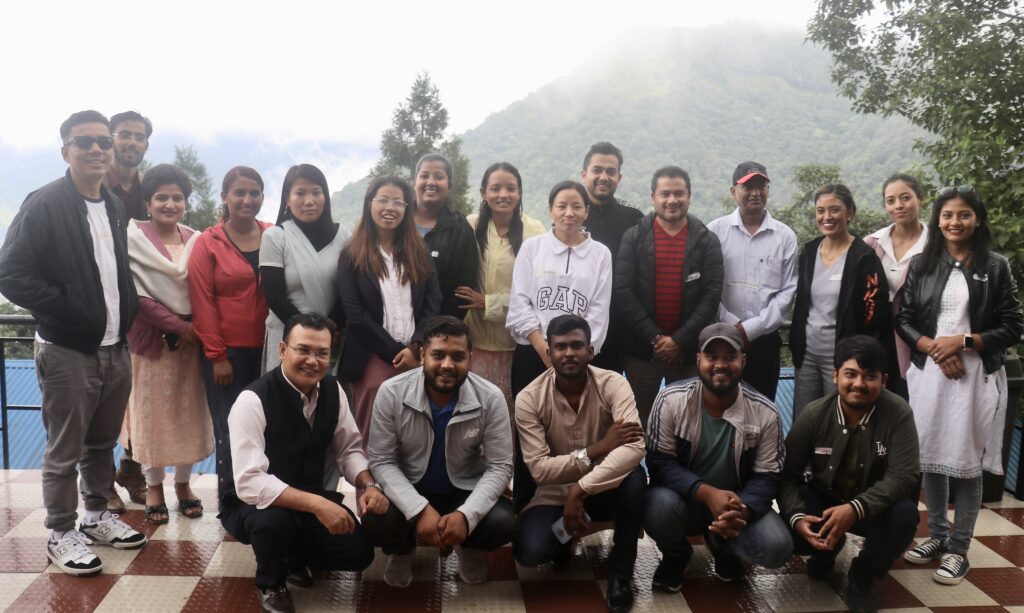
A two-day workshop on information manipulation, held on September 7 and 8, brought together 20 youth leaders from diverse backgrounds, including politics, media, and civil society at Bhedetar, Koshi Province, east Nepal.

The workshop aimed to equip these young participants with essential knowledge and skills to combat the growing challenge of information manipulation.

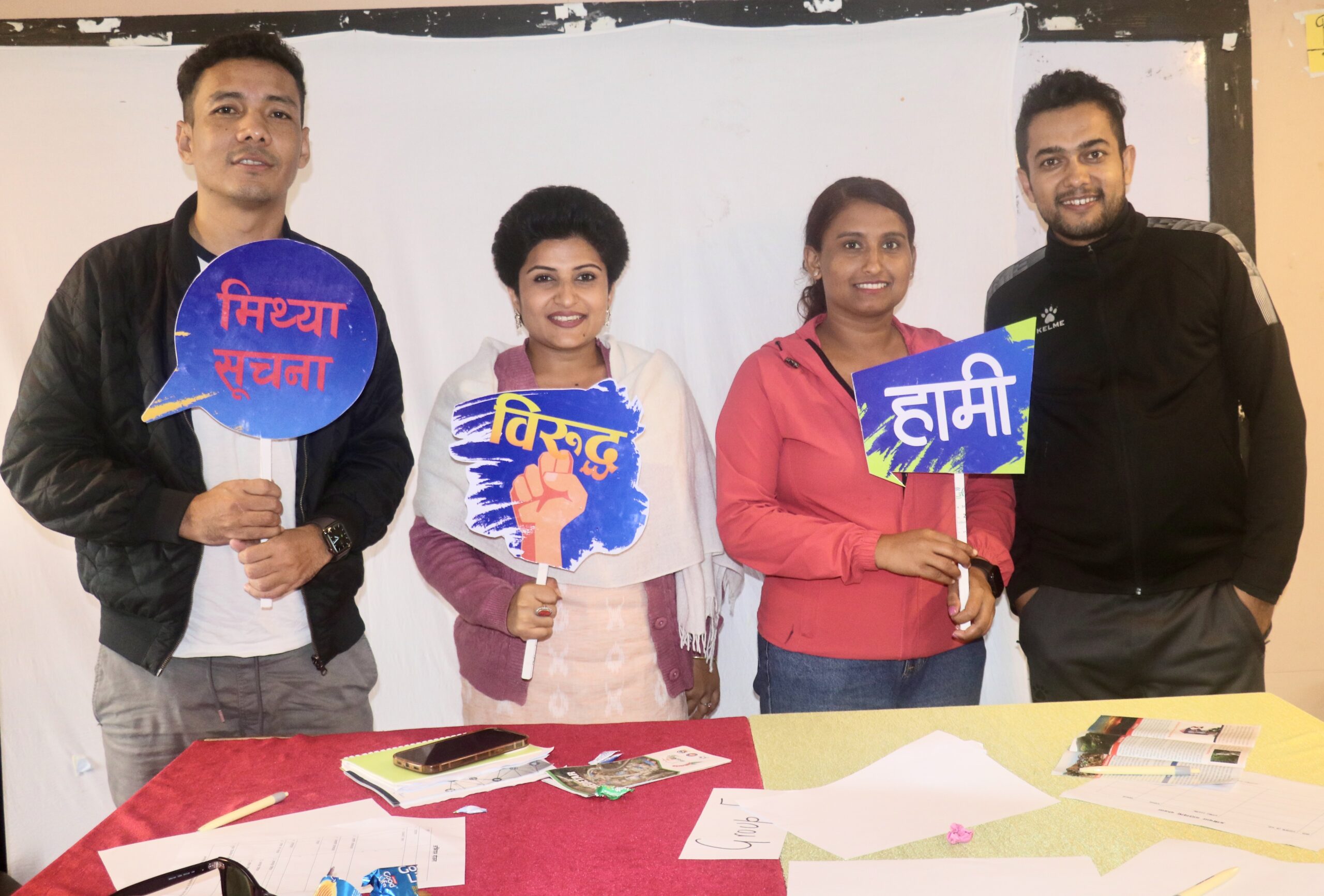
Organized by CMR-Nepal with support from the International Republican Institute (IRI), the workshop covered a range of topics. Participants delved into understanding information manipulation, its actors, contents, tactics, and vectors. They also explored the specific context and situation of Nepal in relation to information manipulation.

The workshop placed a strong emphasis on proactive and reactive interventions against information manipulation. Participants engaged in discussions and practical sessions focused on media and information literacy, as well as fact-checking. These skills are critical for identifying and countering false information in today’s information-rich environment.

One of the key highlights of the workshop was the collaborative effort of the participants in designing campaigns against information manipulation. These campaigns are expected to raise awareness and encourage critical thinking among the public regarding the information they consume.

The workshop was facilitated by Ujjwal Acharya and Umesh Shrestha, who brought their extensive knowledge and experience in the field of information manipulation to guide the participants.

By empowering these youth leaders with the tools and knowledge needed to combat information manipulation, this workshop has taken a significant step toward building a more informed and resilient society in Nepal. It is hoped that the insights gained from the workshop will ripple through various sectors, contributing to a more vigilant and discerning citizenry in the face of misinformation and manipulation.

In addition to the successful workshop in Koshi Province, CMR-Nepal and IRI have announced plans to extend their efforts in combatting information manipulation across Nepal. They will be organizing similar workshops in the remaining six provinces of the country.

By reaching out to youth leaders in various provinces, CMR-Nepal and IRI aim to build a network of informed and empowered individuals who can actively counter misinformation and manipulation in their respective regions.

Fostering Unity Against Misinformation: CMR-Nepal Spurs Collaborative Action in Gandaki Province

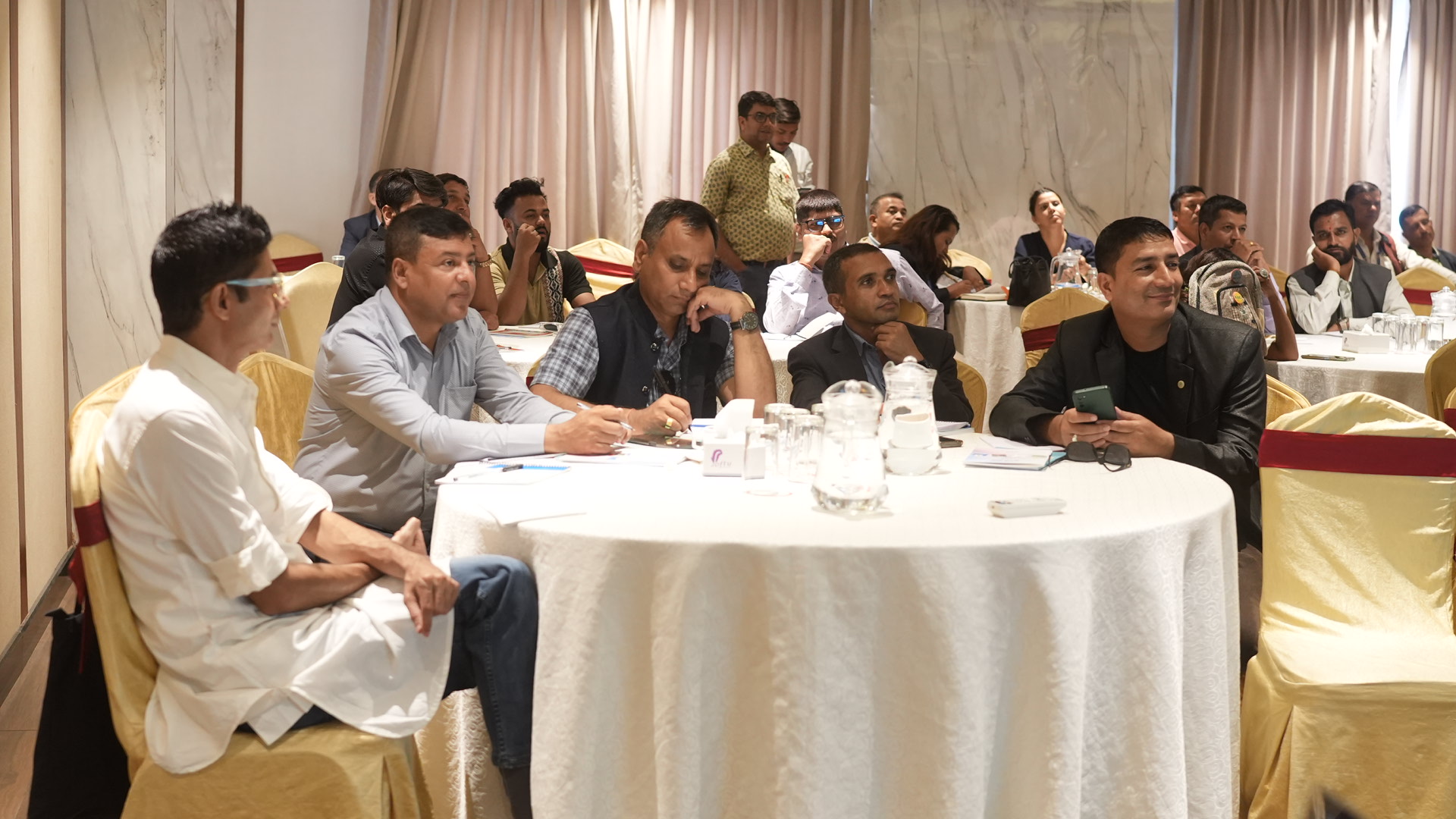
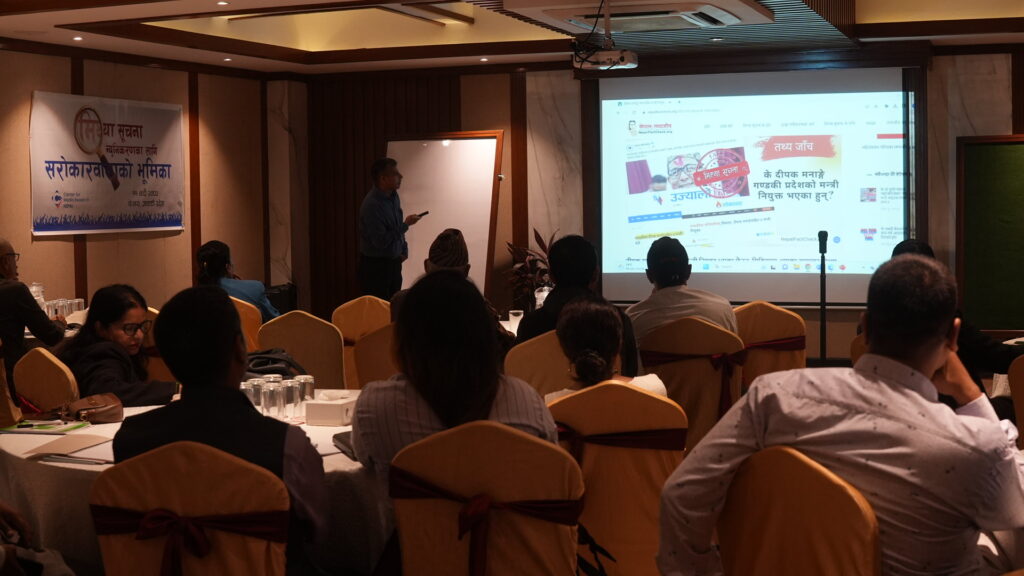
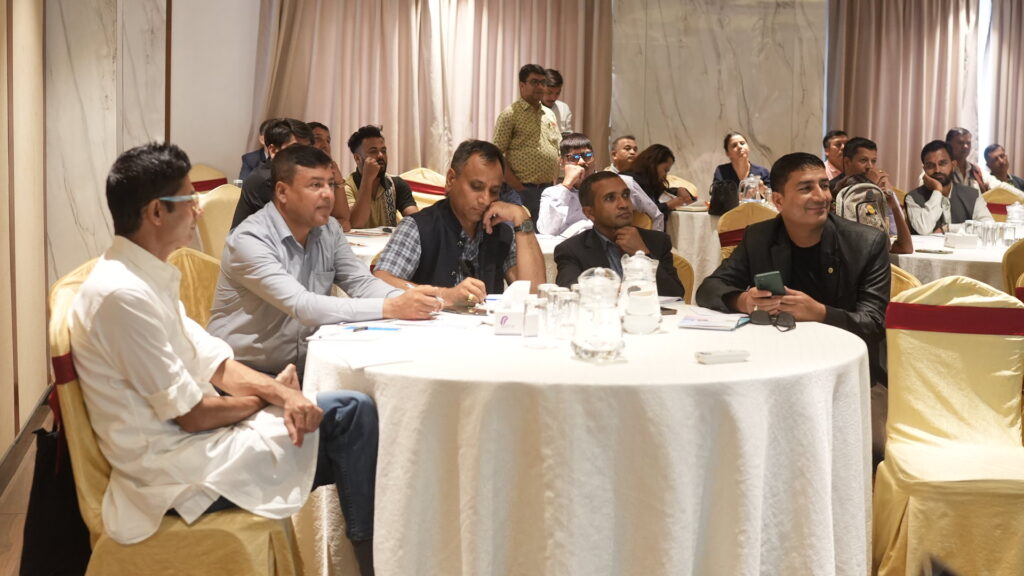
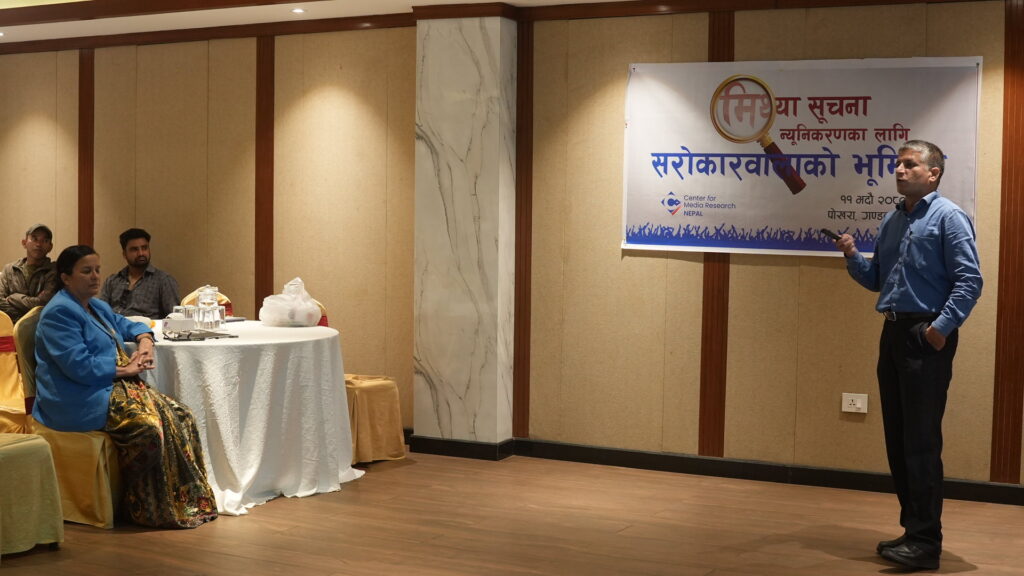
The Center for Media Research – Nepal orchestrated an engaging discussion program centered around the pivotal role of stakeholders in curbing the dissemination of false information in Pokhara on August 11.

Gracing the occasion, Sushila Simkhada, the Minister of Social Development and Health, shed light on the pressing issue of the current propagation of inaccurate information.

Minister Sinmkhada underscored the importance of collective vigilance and responsibility in halting this concerning trend.

She said, “It’s imperative that we collectively contemplate measures to impede the proliferation of erroneous information. We remain dedicated to collaboratively advancing in the right direction.”

The event garnered substantial attendance, with over 50 participants present, including state parliamentarians, representatives from various political factions, local government envoys, members of civil society, professionals from diverse industries, members of the Nepal Press Council, and esteemed journalists.

The individuals participating in the program accentuated the indispensable need for concerted efforts across all sectors to combat misinformation. They advocated for a united front against misinformation, advocating for proactive campaigns rather than reactive measures.

The participants emphasized the essence of proactive engagement, urging each stakeholder to contribute effectively from their respective vantage points.

Media and Information Literacy in Nepal: CMR-Nepal’s Approach to Spread MIL to Youths

Media and Information Literacy (MIL) has become increasingly crucial in Nepal, especially in the face of technological advancements and the widespread use of mobile devices and social media. Individuals are inundated with a massive amount of information, leaving very little time for evaluation and discernment. This constant influx of information, known as the infodemic, overwhelms people on a daily basis.

Participating teachers in the ToT on Media and Information Literacy in Janakpur, Madhesh province in June 2023.

In this context, MIL skills are of utmost importance. The ability to access, understand, evaluate, critically analyze, and select information is critical. Unfortunately, media and information literacy is not widely spread in Nepal.

MIL workshop for teachers in Butwal of Lumbini Province in June 2023.

It is not included in our school or university curricula, and awareness campaigns are lacking, leaving a large number of people vulnerable. This situation has given rise to misinformation and information manipulation, which, if left unchecked, can create information chaos and negatively impact our democracy, democratic procedures, and institutions in the long run.

To address this issue, the Center for Media Research – Nepal (CMR-Nepal) has launched several initiatives. One such initiative is the pilot program to spread MIL among youths, which was launched in 2023. The pilot program includes the following activities in its first year:

  1. Training 70 teachers across Nepal in MIL knowledge and skills.
  2. Providing microgrants to trained teachers to organize awareness and skills workshops for 20-40 students in their respective schools.
  3. Publication of resource materials, including a resource book for trainers, a handbook for youth, and a training manual for teachers.
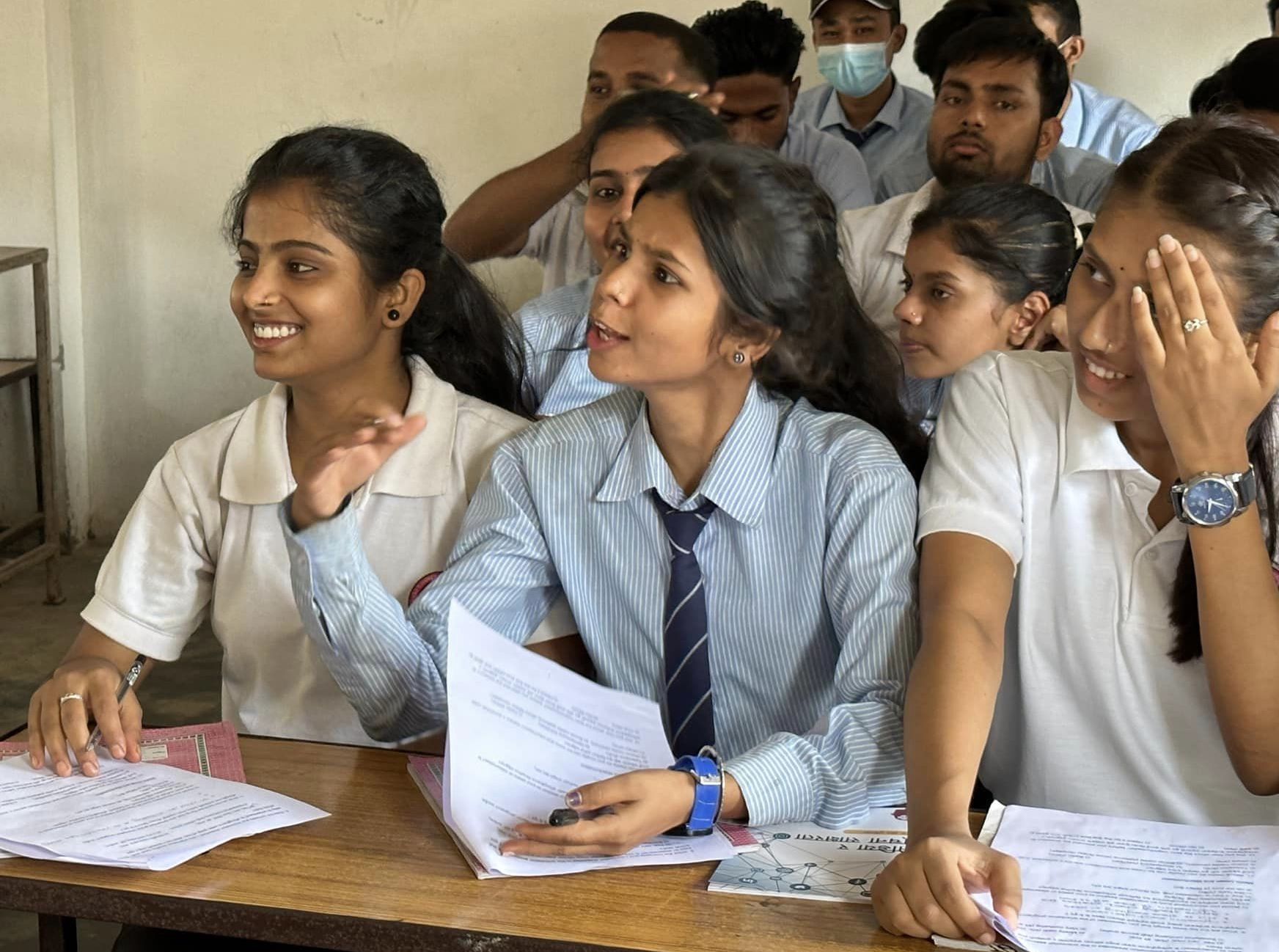
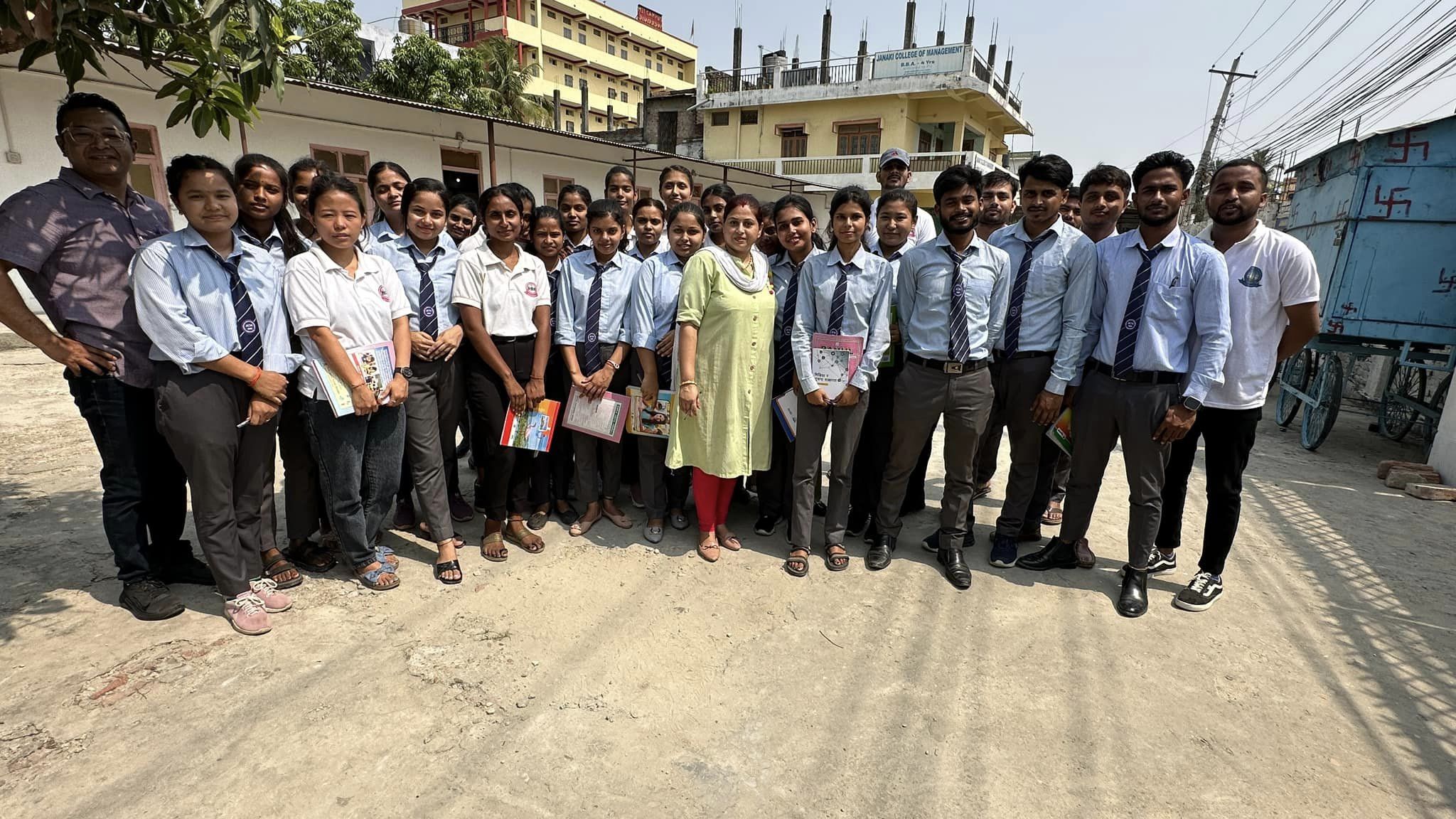
A student workshop organized by Ms. Sangita Thakur, who was trained by CMR-Nepal, in Janaki College of Management in June 2023.

The philosophy behind this project is to empower teachers. Not only will they continue to spread MIL knowledge and skills to their students beyond the project period, but they will also serve as a focal point in each school, facilitating easy access for their students.

Our MIL pilot program is funded through various projects, including those supported by The Asia Foundation, The Open Society Foundation, and the Tactical Tech.

In June 2023, we published a resource book for trainers and conducted two Training of Trainers sessions for 16 teachers, with eight teachers in each of the Madhesh and Lumbini provinces. Three of these teachers have already organized workshops with their students, yielding results that have increased our confidence in the effectiveness and impact of our approach.
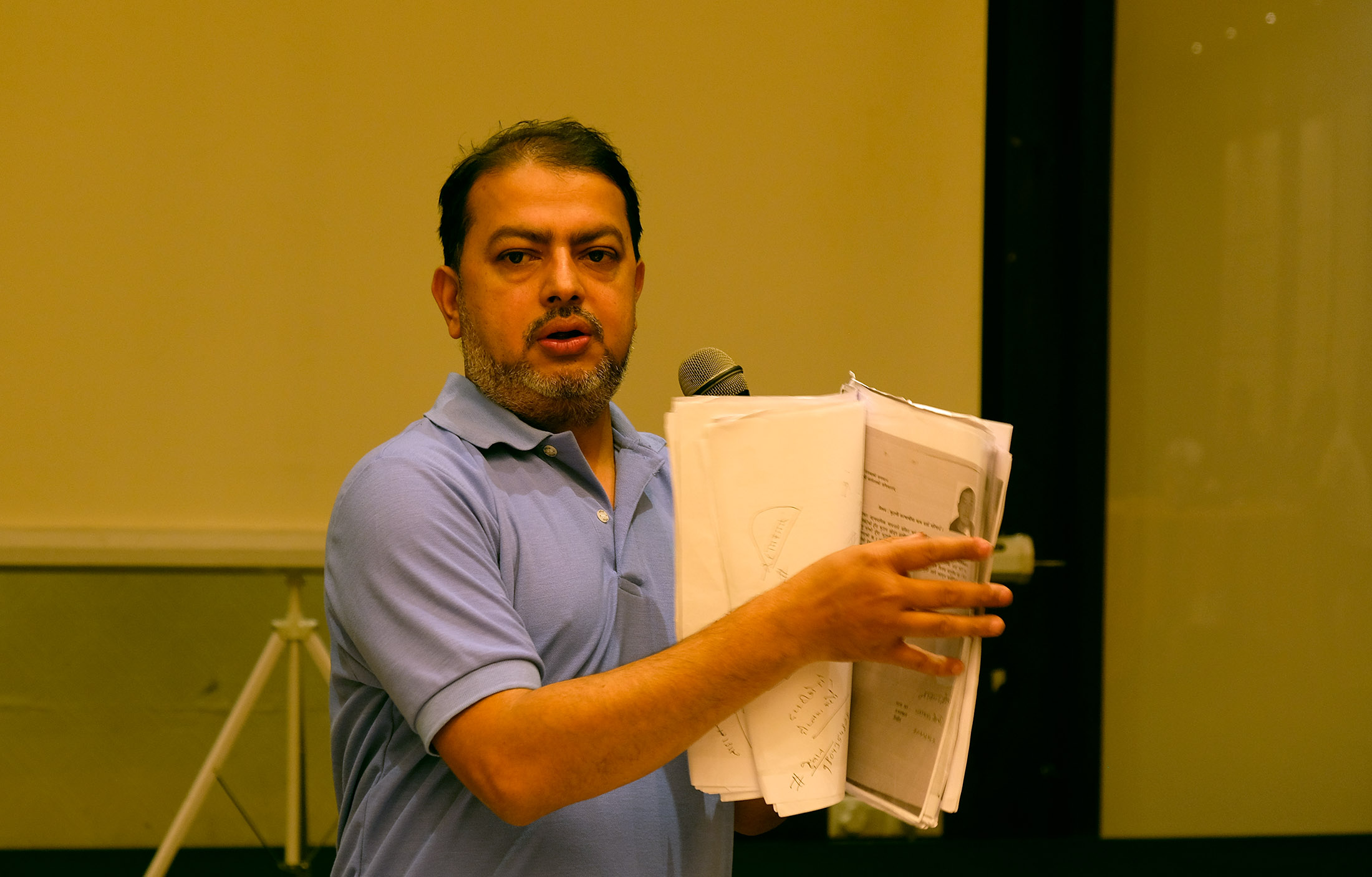
We have plans to organize more training of teachers and award microgrants to them to organize student workshops at their schools in coming months.

Our resource books and handbook is freely available to all interested in media and information literacy.

We have so far organized MIL TOT Workshop for Teachers in following provinces:

  1. Madhesh, Lumbini, Koshi, Gandaki, Karnali and Sudurpaschim

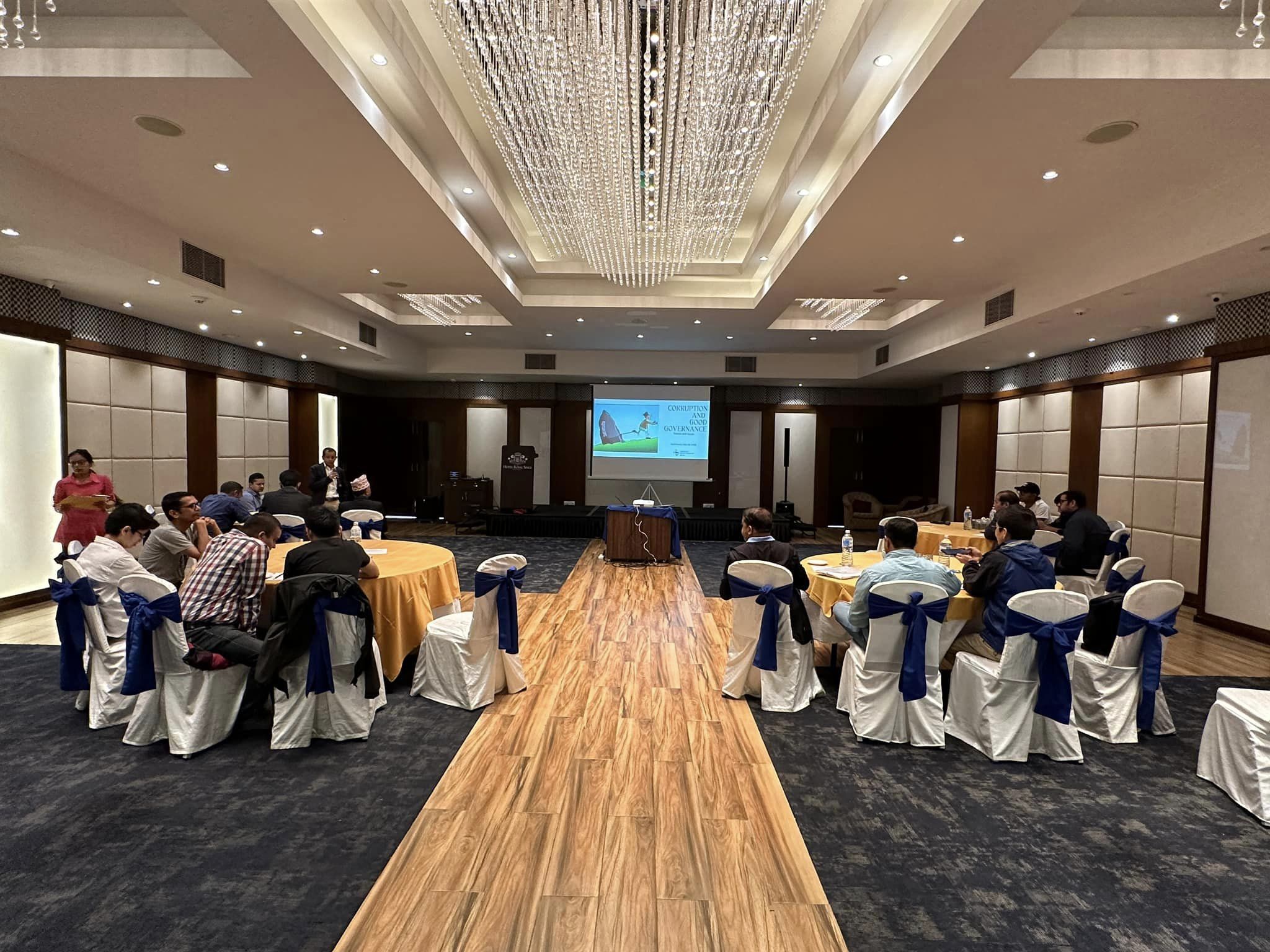
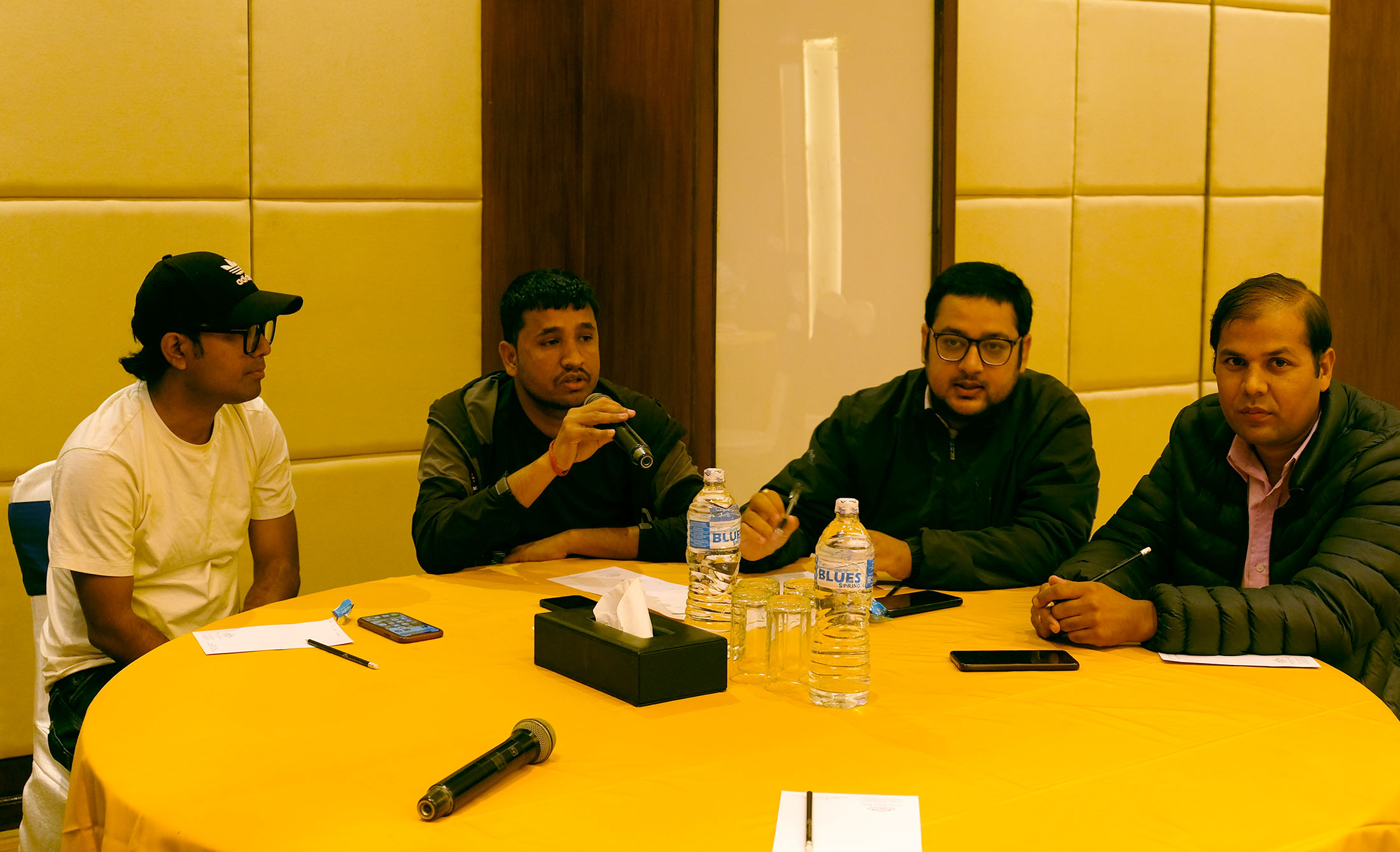
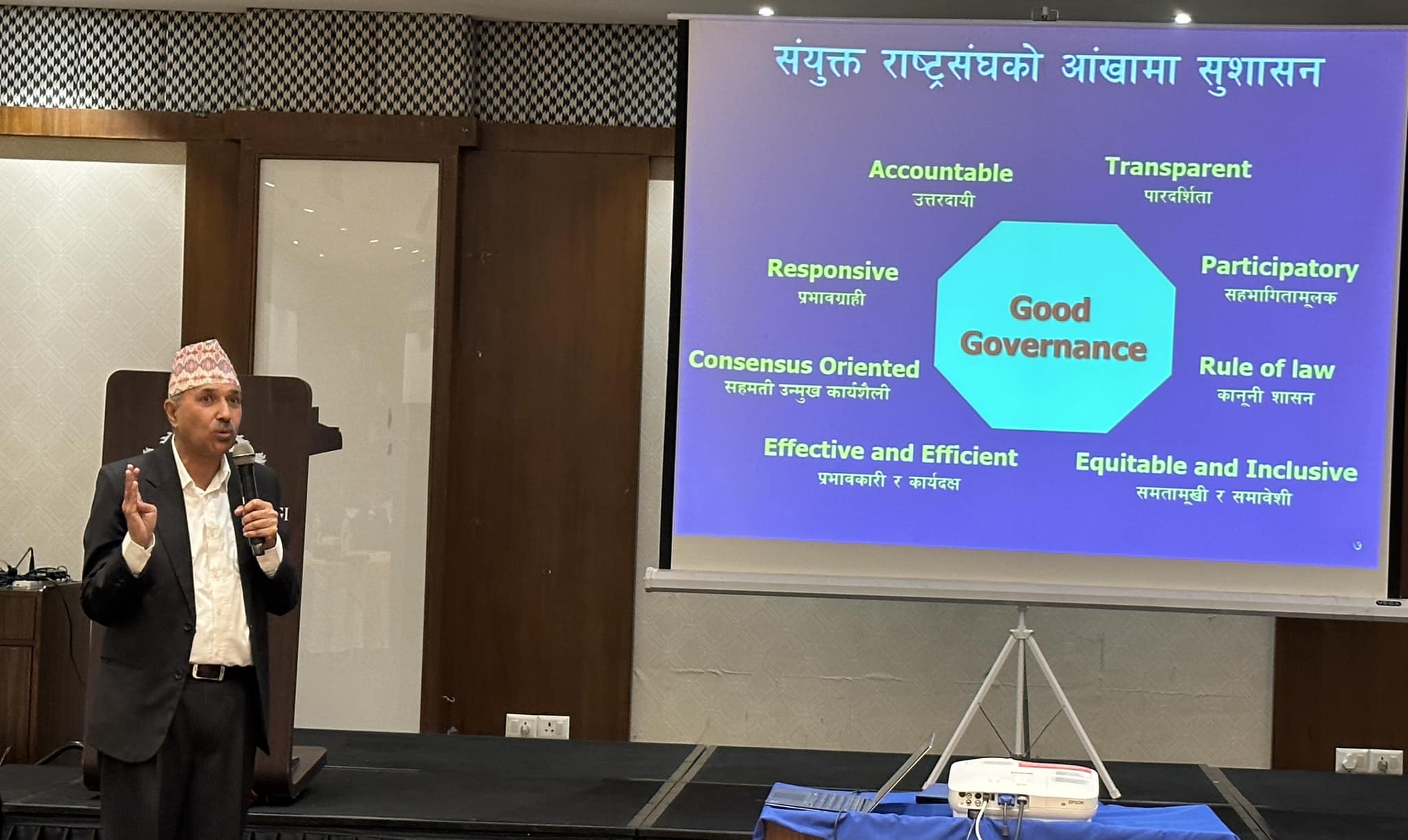
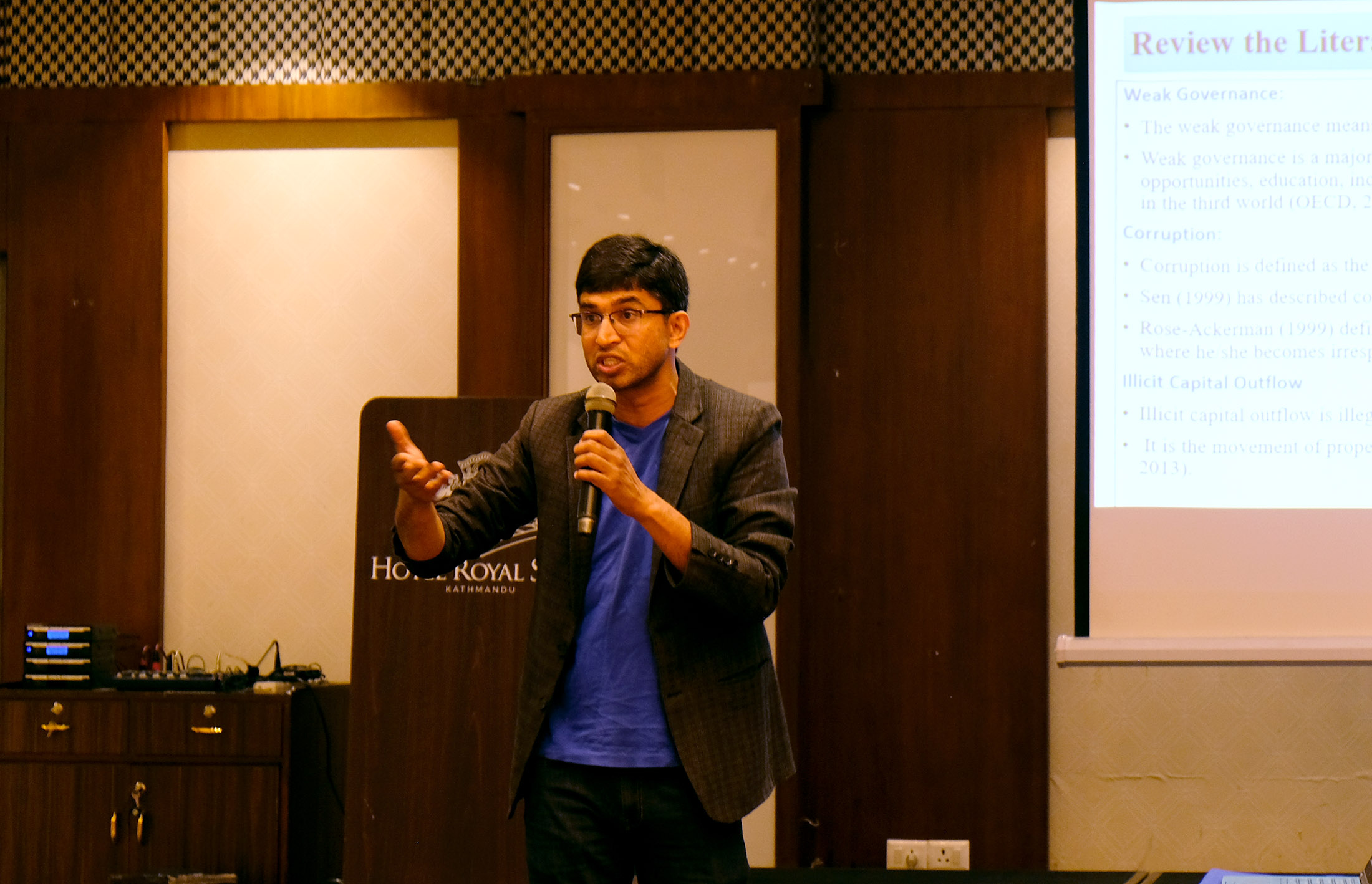
Interaction Program on Corruption and Good Governance

The Center for Media Research – Nepal (CMR-Nepal) organized an interaction program in Kathmandu on May 19, 2023, with a focus on addressing the urgent issues of corruption and good governance.

Distinguished experts shed light on the origins of corruption, its underlying causes, and potential solutions.

Speaking at the program, Former Secretary of Nepal Government Purna Chandra Bhattarai emphasized the dysfunctional nature of the corruption control mechanism, highlighting the necessity of a strong anti-corruption mission. Bhattarai stressed the crucial role of the media in combating corruption.

Dipesh Ghimire, an assistant professor at Tribhuvan University, pointed out the lack of accountability in the governing system and the absence of a clear framework for resource utilization.

Ghimire further criticized the governing system itself for facilitating corruption and emphasized the need for a merit-based approach. He also called attention to the media’s inadequate coverage of corruption issues in the private sector.

During the program, Devendra Bhattarai, a senior journalist from Kantipur Daily, shared his experience of uncovering the issue surrounding Bhutanese refugees scam. Bhattarai explained how victims approached him with substantial evidence, enabling him to delve deeper into the matter.

However, he also highlighted the challenges he faced, including media trials conducted by major political parties. Bhattarai raised concerns about the seriousness of government authorities in investigating the issue, especially considering the arrest of several political leaders and the influence of political pressure on law enforcement agencies.

Journalists from various media houses participated in the program.

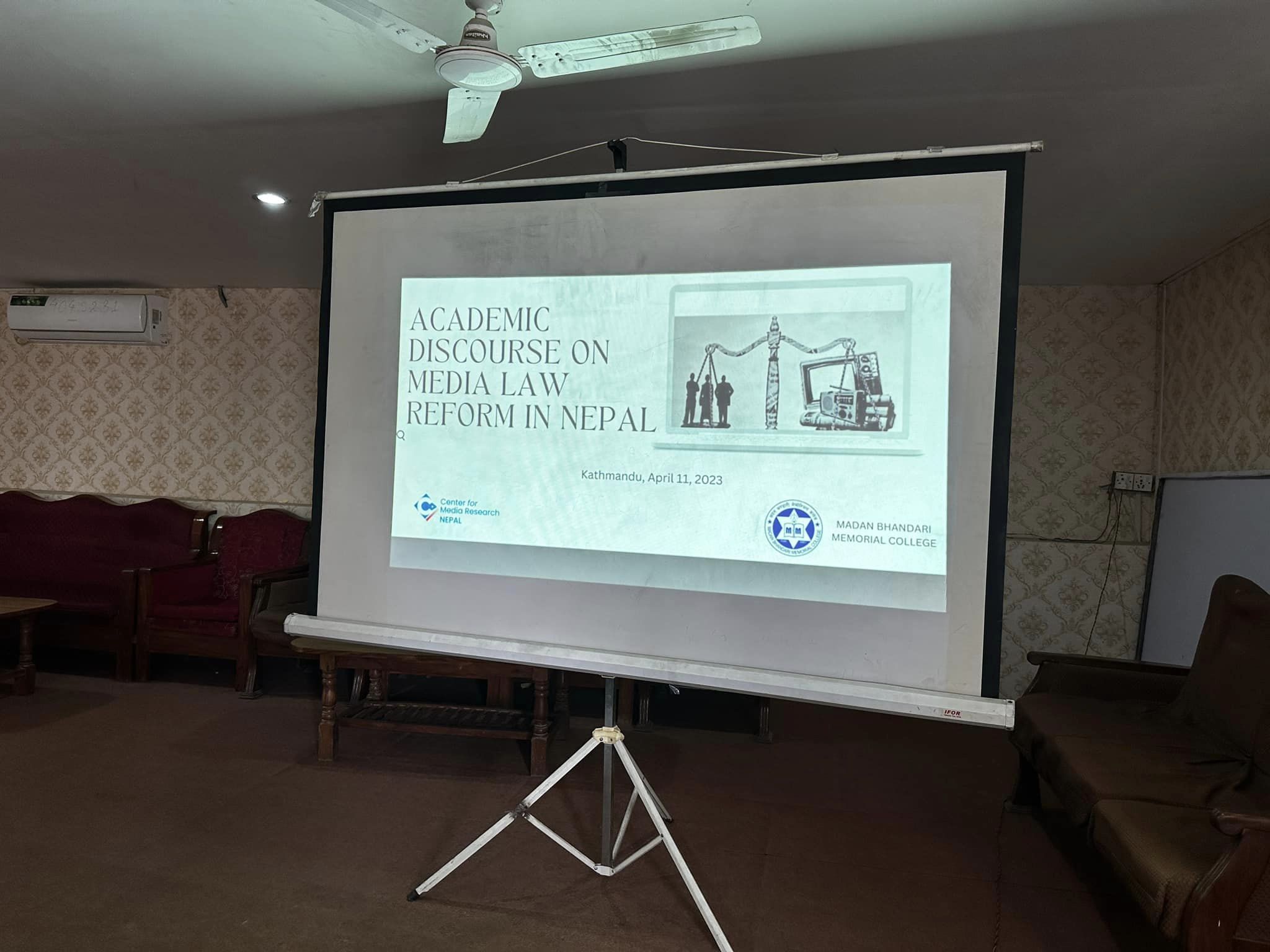
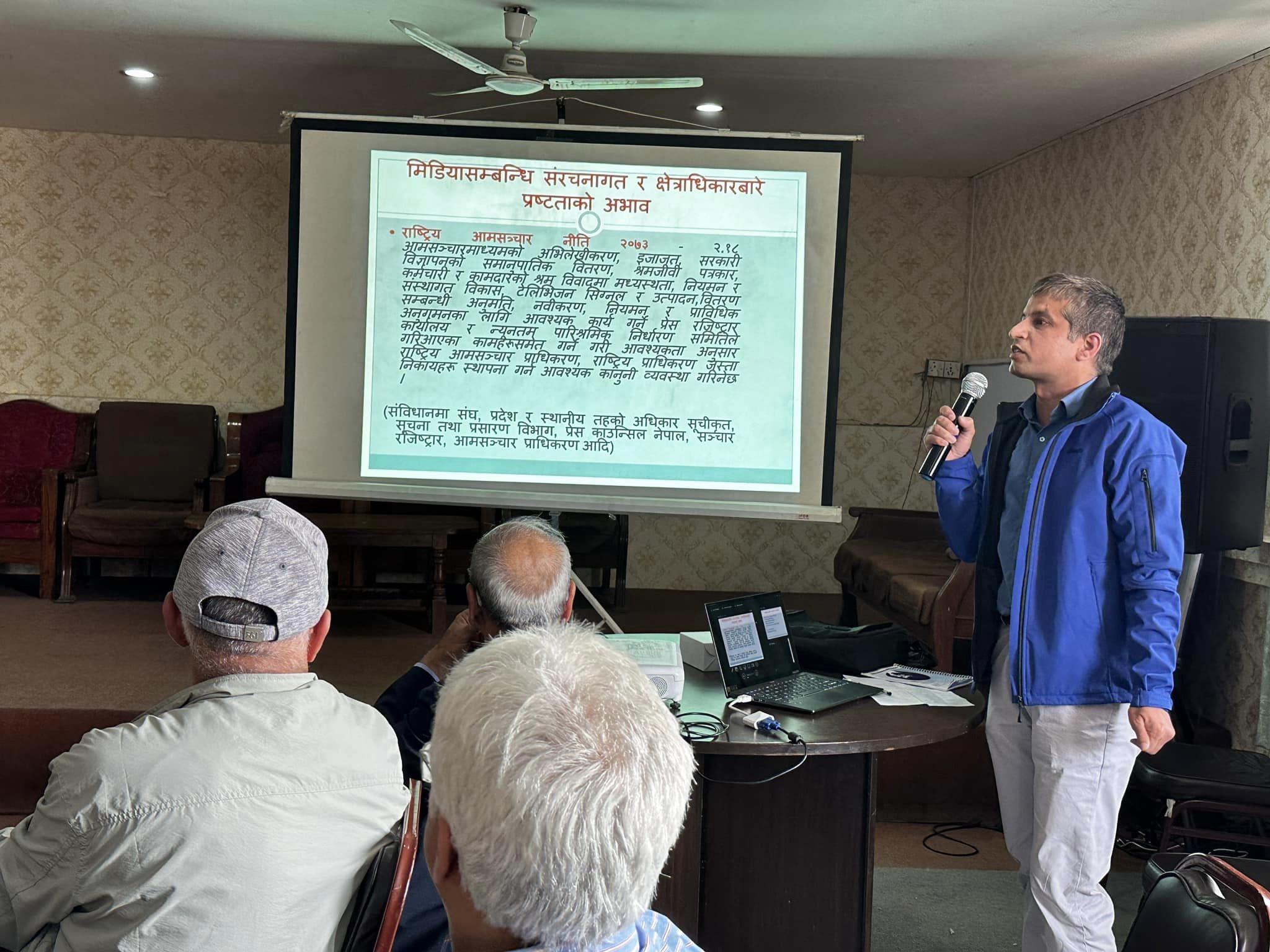
Academics Provide Suggestions for Media Law Reform in Nepal

On April 11, 2023, an academic discourse titled “Media Law Reform in Nepal” was held in Kathmandu with the aim of providing recommendations to the Mass Communication Sector Suggestion Reform Committee, responsible for reviewing new media laws in Nepal.

The committee’s coordinator, Suresh Acharya, and members Mahendra Bista, Babita Basnet, and Govinda Acharya were present at the program.

During the event, committee members discussed their efforts to address policy and practical concerns related to the creation of media laws in the current technological era.

They reiterated their commitment to upholding Nepal’s press freedom and values of freedom of expression.

Academics specializing in media studies suggested four major areas of focus for the committee.

These included emphasizing the importance of not undermining press freedom and freedom of expression, advocating for an inclusive, independent, and autonomous governing body structure, reforming existing laws and regulations in the media domain with changes and continuity, and promoting diverse discussions with different groups for ownership of the draft laws.

Following the event, CMR-Nepal provided additional suggestions to the Committee.

Experts Emphasize Policy Discourse and Media Literacy to Tackle Misinformation in Nepal

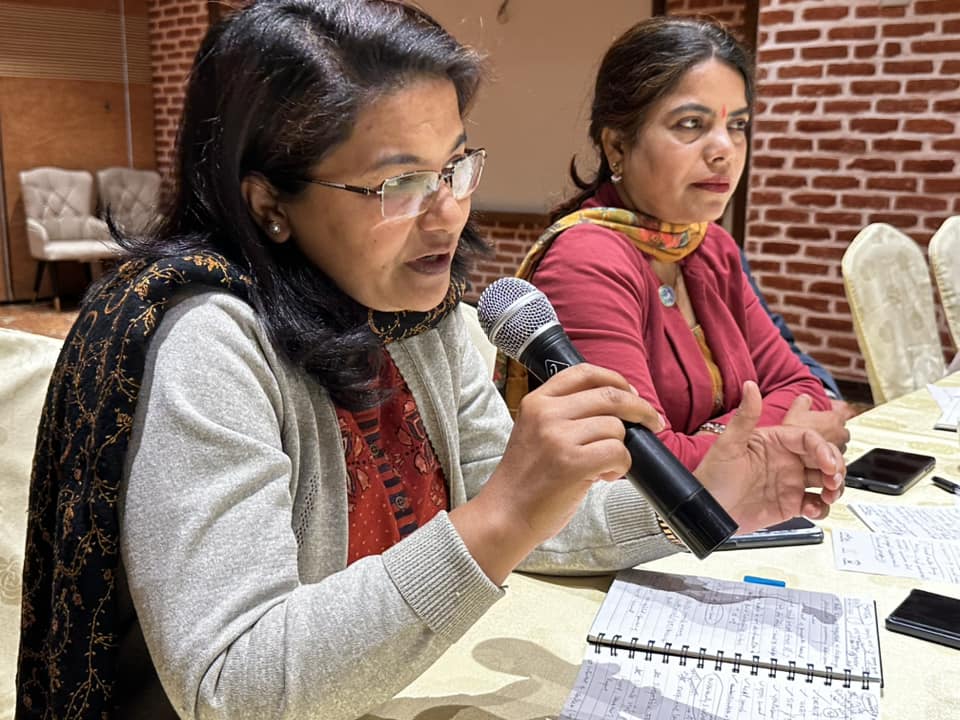
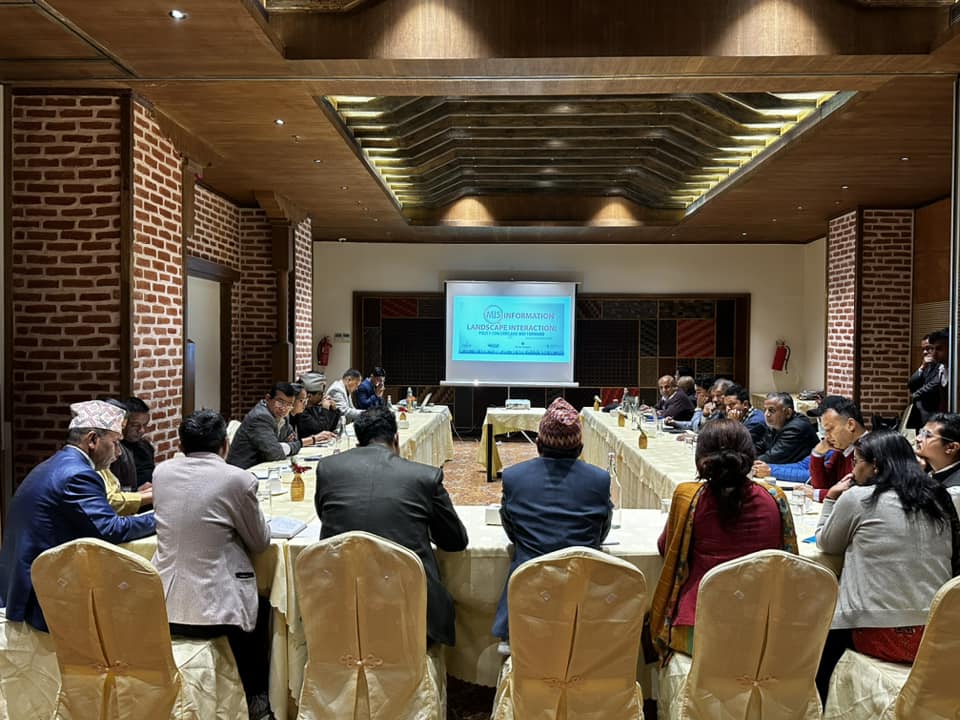
On March 24, 2023, a program titled “Misinformation Landscape: Interaction, Policy Concerns and Way Forward” was held in Kathmandu, Nepal, with the objective of addressing policy discourse on misinformation and mitigating the challenges of misinformation in Nepali society.

During the event, National Information Commissioner Mahendra Man Gurung emphasized the importance of timely dissemination of accurate information to combat misinformation.

Gurung recommended that policy interventions should assess whether existing policies can address concerns related to misinformation, rather than solely creating new legal mechanisms. He cautioned against targeting only those who engage in misinformation, as it may negatively impact the overall functioning of media and society. Gurung also recommended that self-regulation is a key mechanism to combat misinformation.

Communication Registrar of Bagmati Province Rewati Sapkota endorsed the notion of self-regulation and stressed that the emphasis should be on creating good content by journalists to ensure reliable information is disseminated widely through social media.

Sapkota suggested that strengthening the reliable media industry and promoting ethical reporting by mainstreaming media that rely on viral posts are major strategies to tackle misinformation.

Netra Prasad Subedi, Spokesperson and Joint Secretary at the Ministry of Communication and Information Technology, stated that the government is cautious about how laws will affect users. Subedi also informed that the drafting of a new law on media will cover digital media.

Media expert Raghu Mainali highlighted the importance of strengthening formal channels such as news media and community media for factual and objectively verifiable journalism. He also emphasized the need for media literacy and proactive disclosure of misinformation, considering regulation as the last option.

Shreejana Aryal, Secretary at Nepal Federation of Nepali Journalist, expressed that disregarding formal media channels is a major problem linked with misinformation. Journalists are often compelled to report based on the content disseminated by sources.

Jhabindra Bhusal, Chief Administrative Officer of Press Council Nepal, emphasized the need for digital literacy and suggested that changes in technology have resulted in confusion regarding calling YouTubers as content creators or journalists.


Indra Kumari Adhikari, Board Member of Nepal Policy Institute, believed that it is necessary to focus on public literacy about what to and what not to share online. She highlighted that political parties are engaged in developing cyber armies, which are considered major propagators of misinformation and disinformation.

Lekhanth Pandey, Assistant Professor of Tribhuvan University, presented the research paper on Misinformation Landscape Study. He identified social media as the primary source of misinformation, with Facebook being the most commonly cited platform. Pandey added that the widespread impact of misinformation in Nepali society, beyond politics and media, has the potential to exacerbate social tensions, violence, and delay in justice and infrastructure development.

Overall, 30 people from different sectors participated in the program and provided their insights on the need to tackle misinformation through policy discourse, media literacy, and self-regulation.

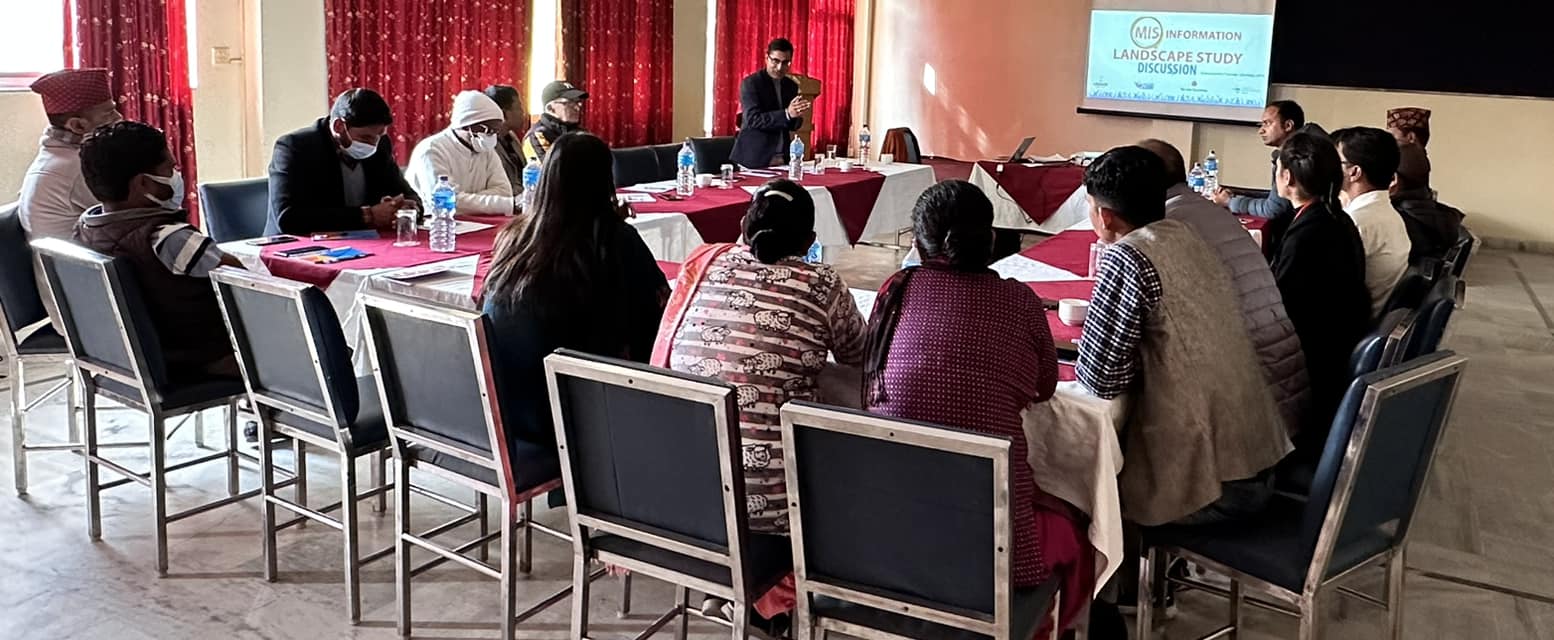
Misinformation Study Wraps Up with Discussion in Dhangadi

CMR-Nepal’s Misinformation Study wrapped up with a discussion in Dhangadi, the capital of Sudurpashchim Province, on January 26, 2023.

The objective of the program was to investigate the misinformation problems prevailing in the province.

The event witnessed the attendance of 30 participants, including representatives from political parties, youth, students, health workers, women’s groups, journalists, and civil society activists.

The discussion revealed that misinformation in the province is impacting diverse groups, including lower-caste communities, women, and people with disabilities. Sunita Rana, a representative of Nepal Student Wing, stated that the male-dominated society’s mindset and opinions created as a result are hindering women’s progress in the region.

Nandaraj Bhatt, a representative of the disabled community, emphasized that news media’s insensitive use of language is hurting the sentiments of the disabled community.

Bhuwan Bhandari, a journalism educator, highlighted the importance of media literacy from an early age and cautioned against sharing unverified information on social media.

Other participants identified politics as a significant cause of misinformation and stressed the need for self-restraint while sharing such information on social media.

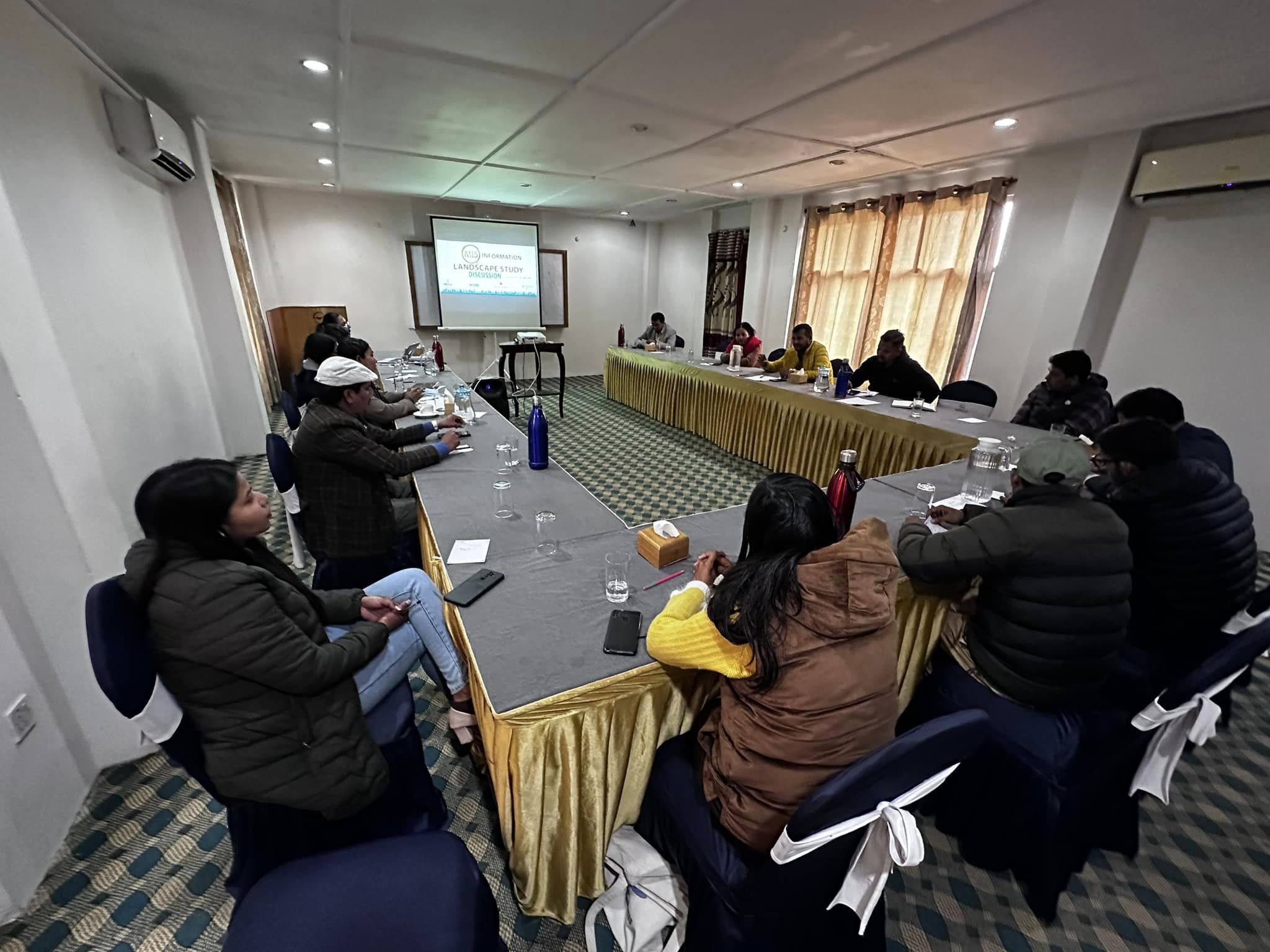
Misinformation Landscape Discussion in Karnali Province

CMR-Nepal conducted the sixth phase of the Misinformation Landscape Study discussion in Surkhet, the capital of Karnali Province, on January 24, 2023.

The program aimed to deepen the understanding of misinformation issues in the province and was attended by 25 participants, including political party representatives, youth, students, health workers, women’s groups, journalists, and social media influencers.

During the event, participants highlighted the prevalence of misinformation in various domains in the province, including politics, youth issues, journalism, civil society, and social media.

Kamala Tiwari of Mid-Western University spoke about unregistered online news media as the main source of misinformation and the misrepresentation of women in such information. Dinesh Gautam of Riti Foundation pointed out that popular personalities and social media influencers were involved in spreading fake news and misinformation through social media.

A student shared her experience of encountering misinformation mainly on social media and called for media literacy programs in schools and universities. An agro-based entrepreneur also talked about the negative impact of misinformation on businesses, citing the example of bird flu in Kathmandu, which caused a decrease in chicken prices in Surkhet, affecting local farmers.

Kumar Thapa, a social media influencer from Motteygang, highlighted the importance of providing factual information about events in the province and holding governing agencies accountable through responsible reporting. He shared that their efforts in producing stories that bring about changes in the community have contributed to the popularity of their Facebook page in the province.