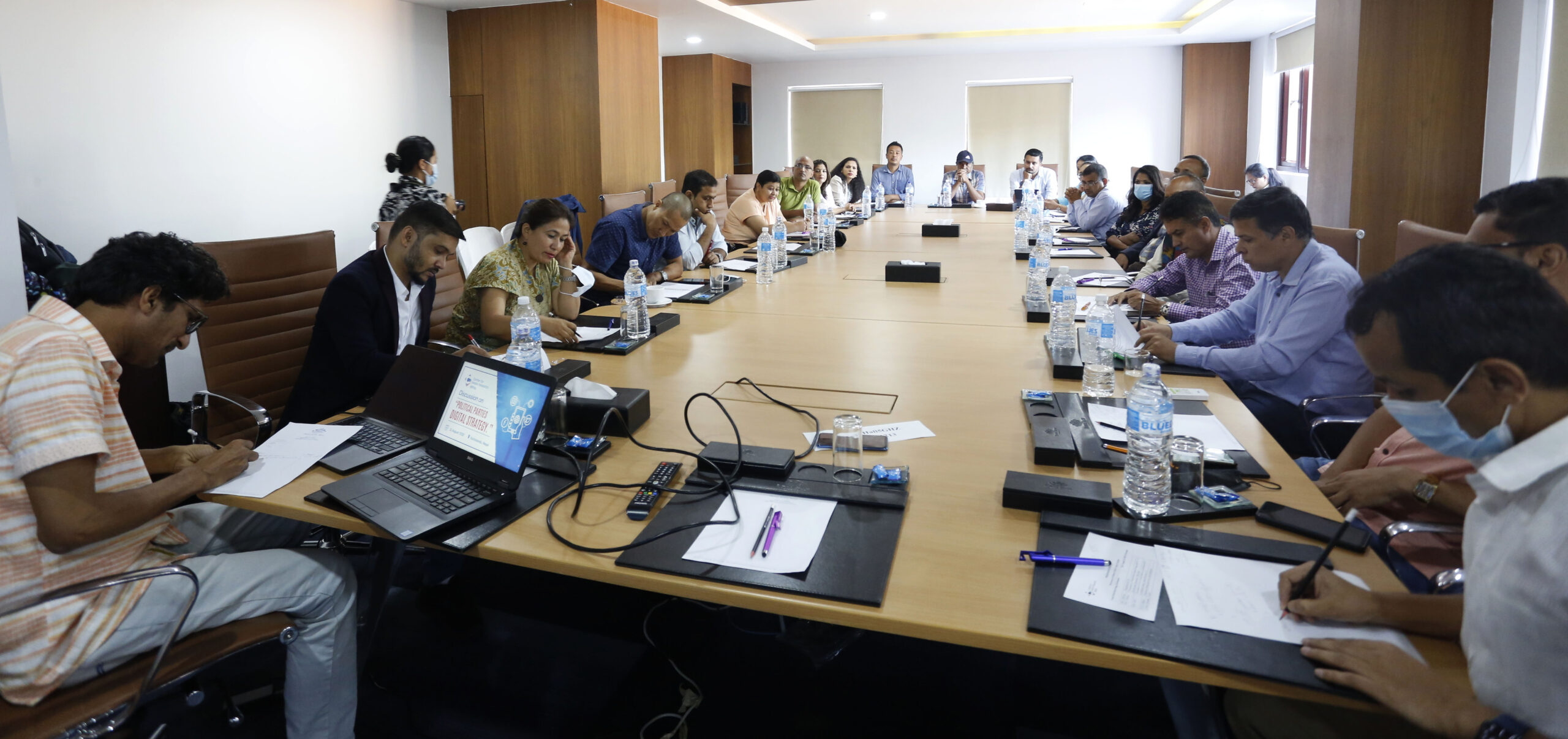
Misinformation Landscape Discussion in Bagmati Province

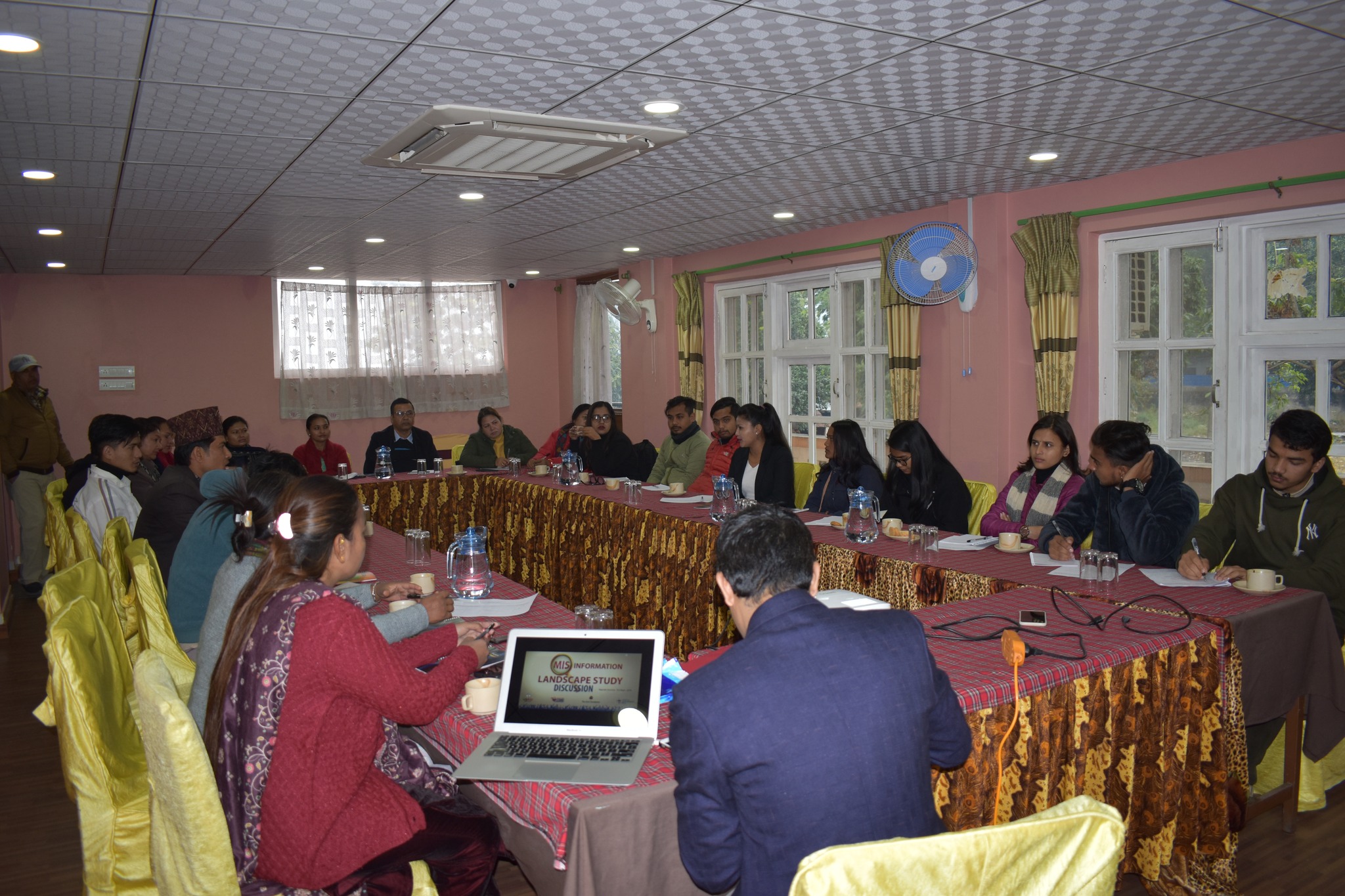
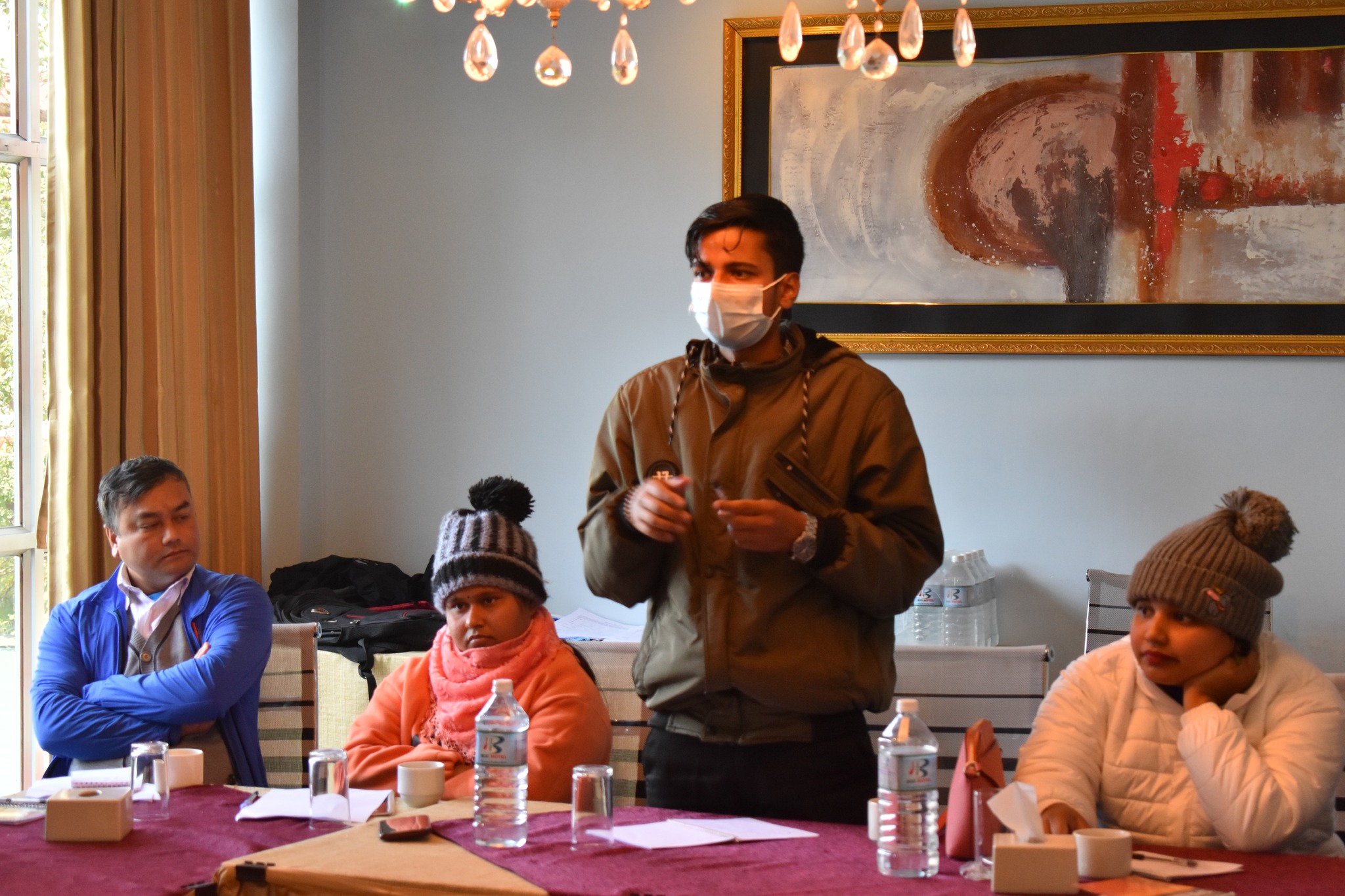
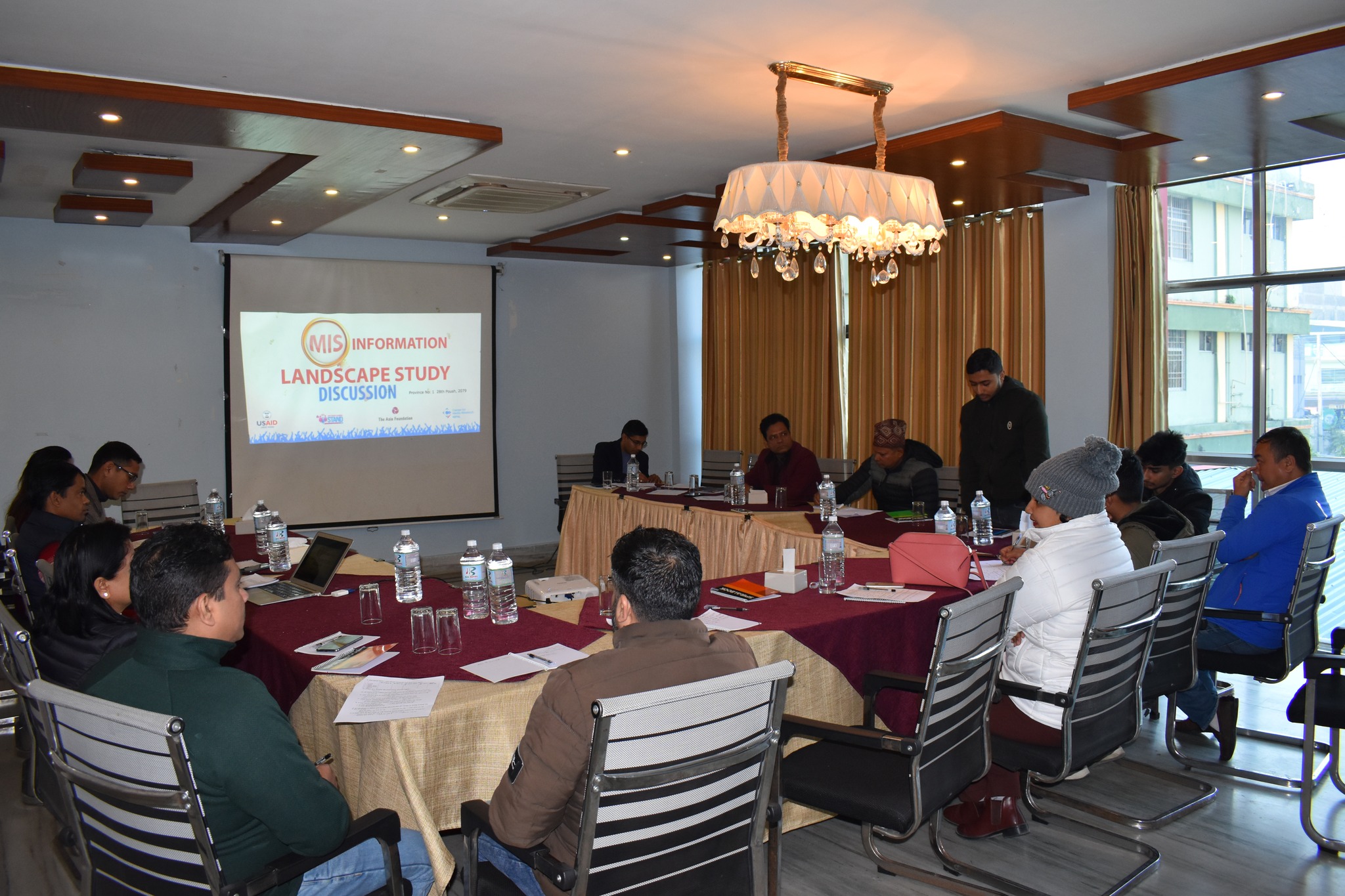
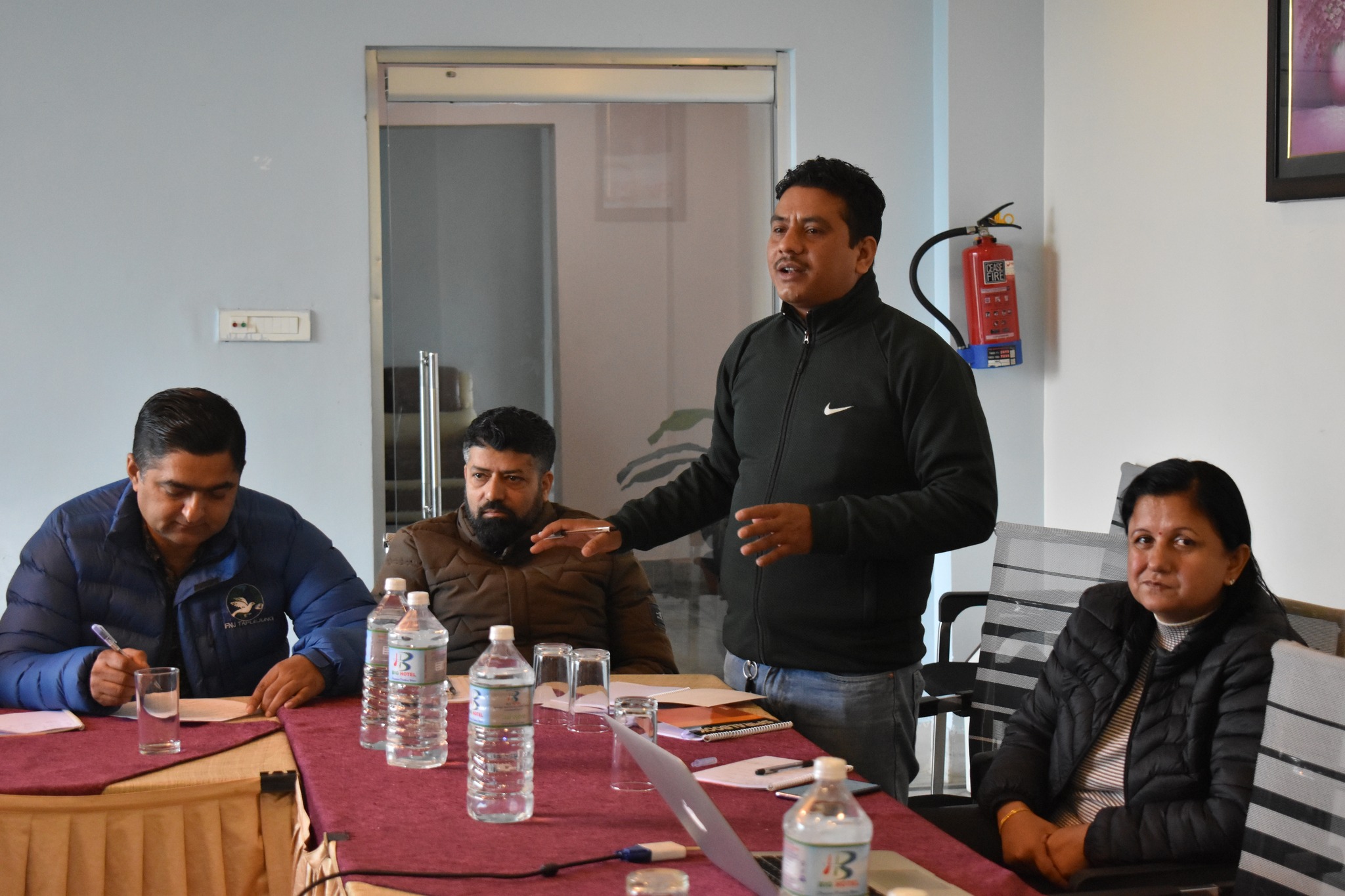
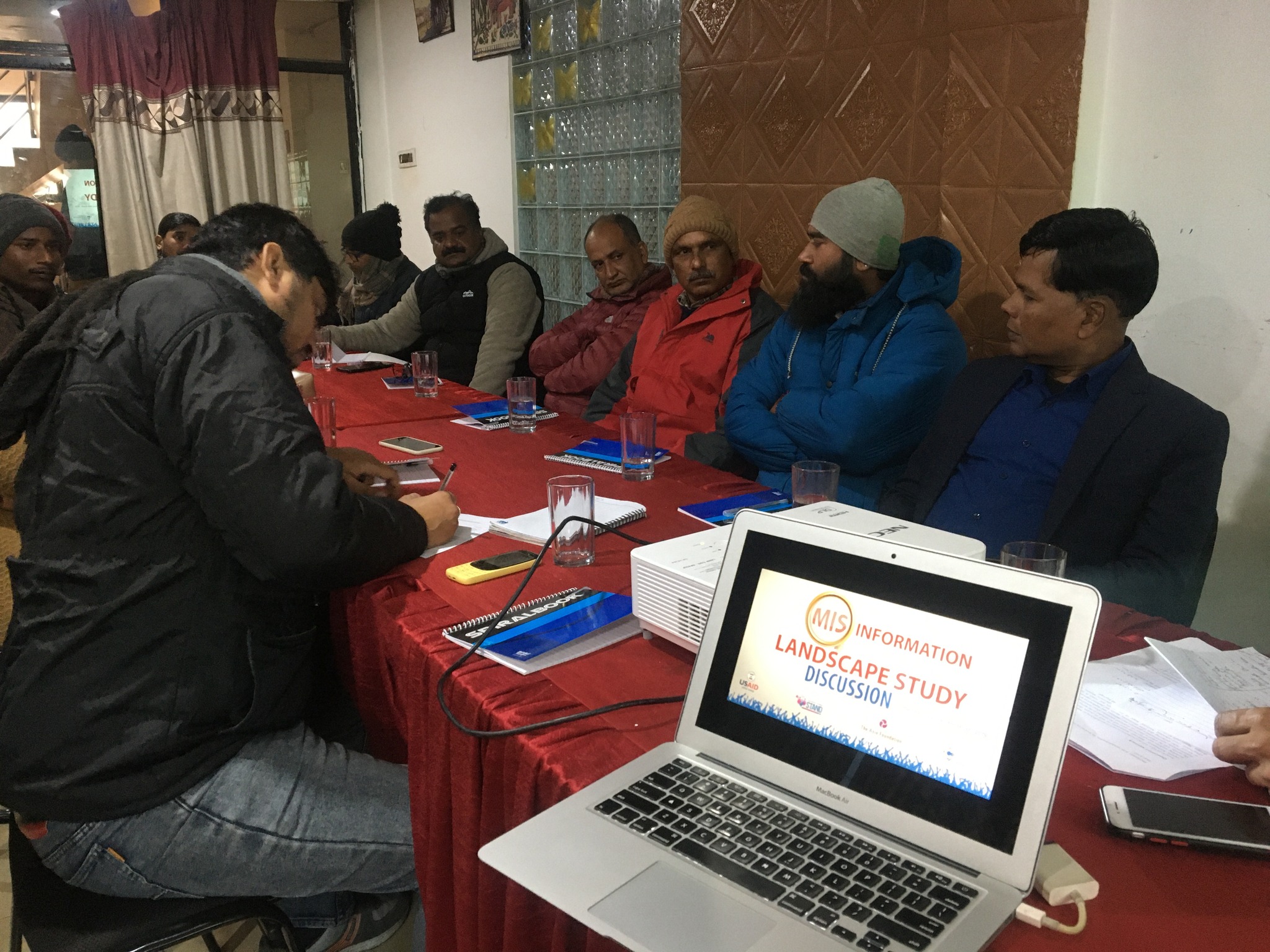
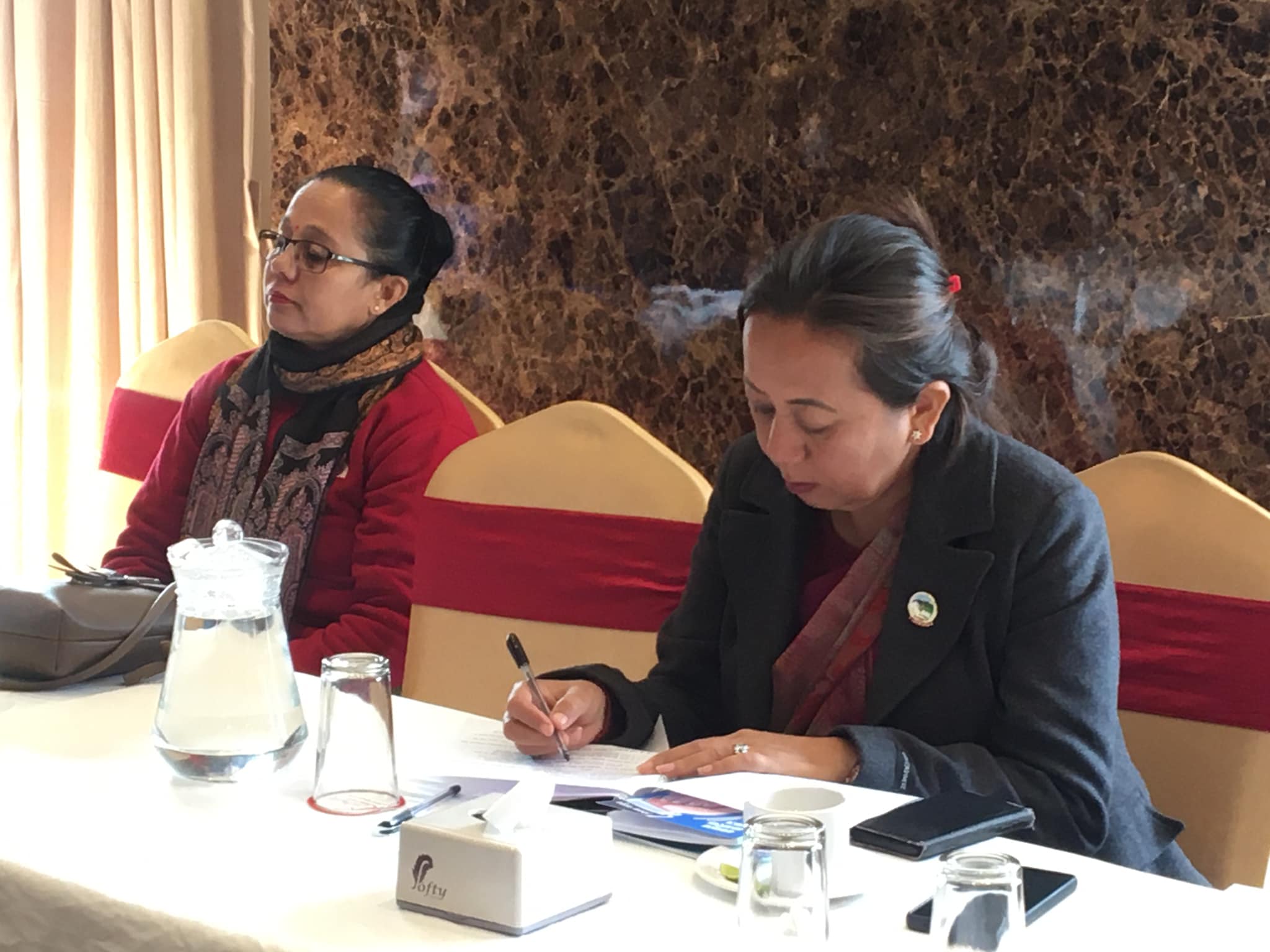
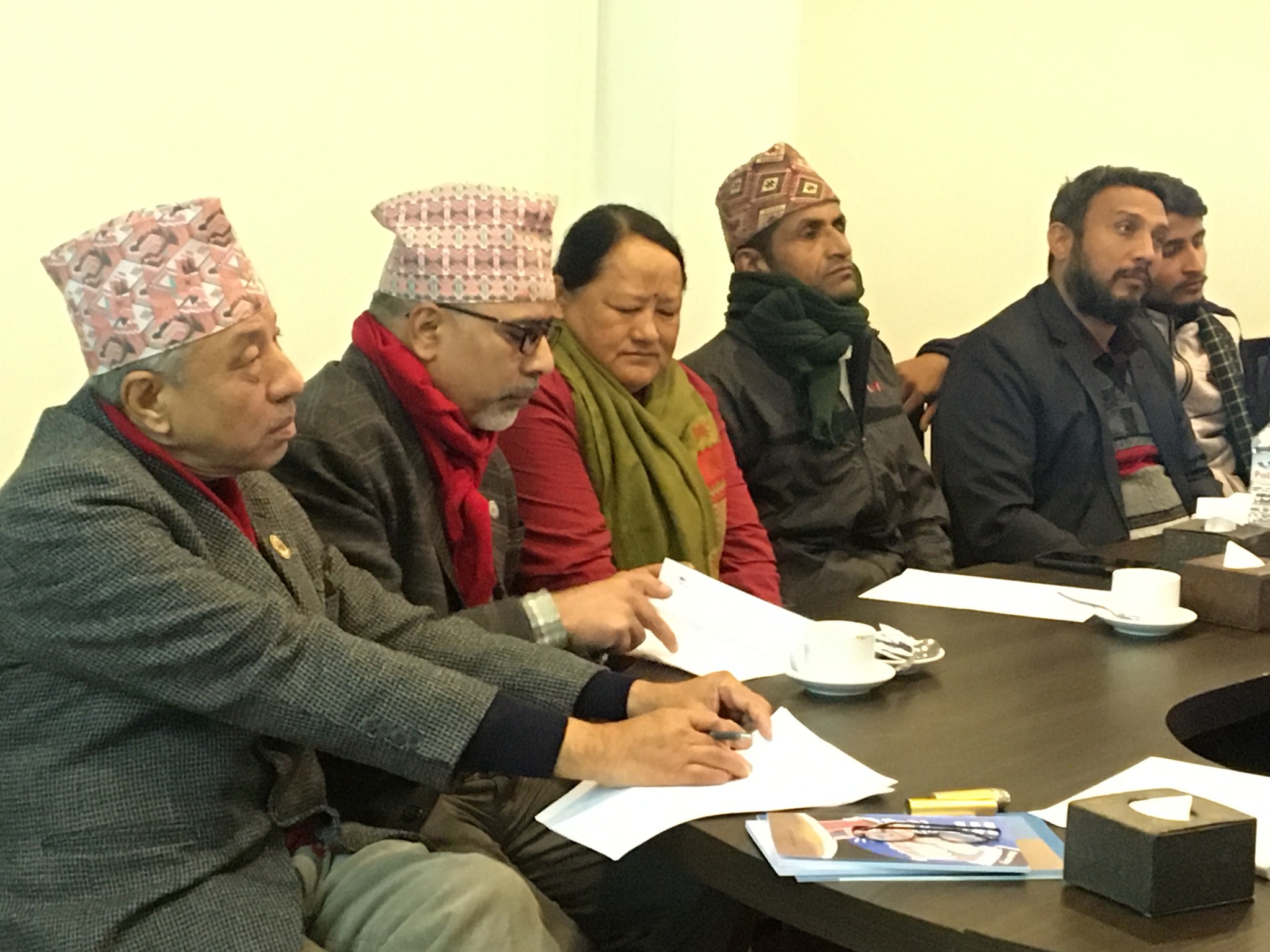
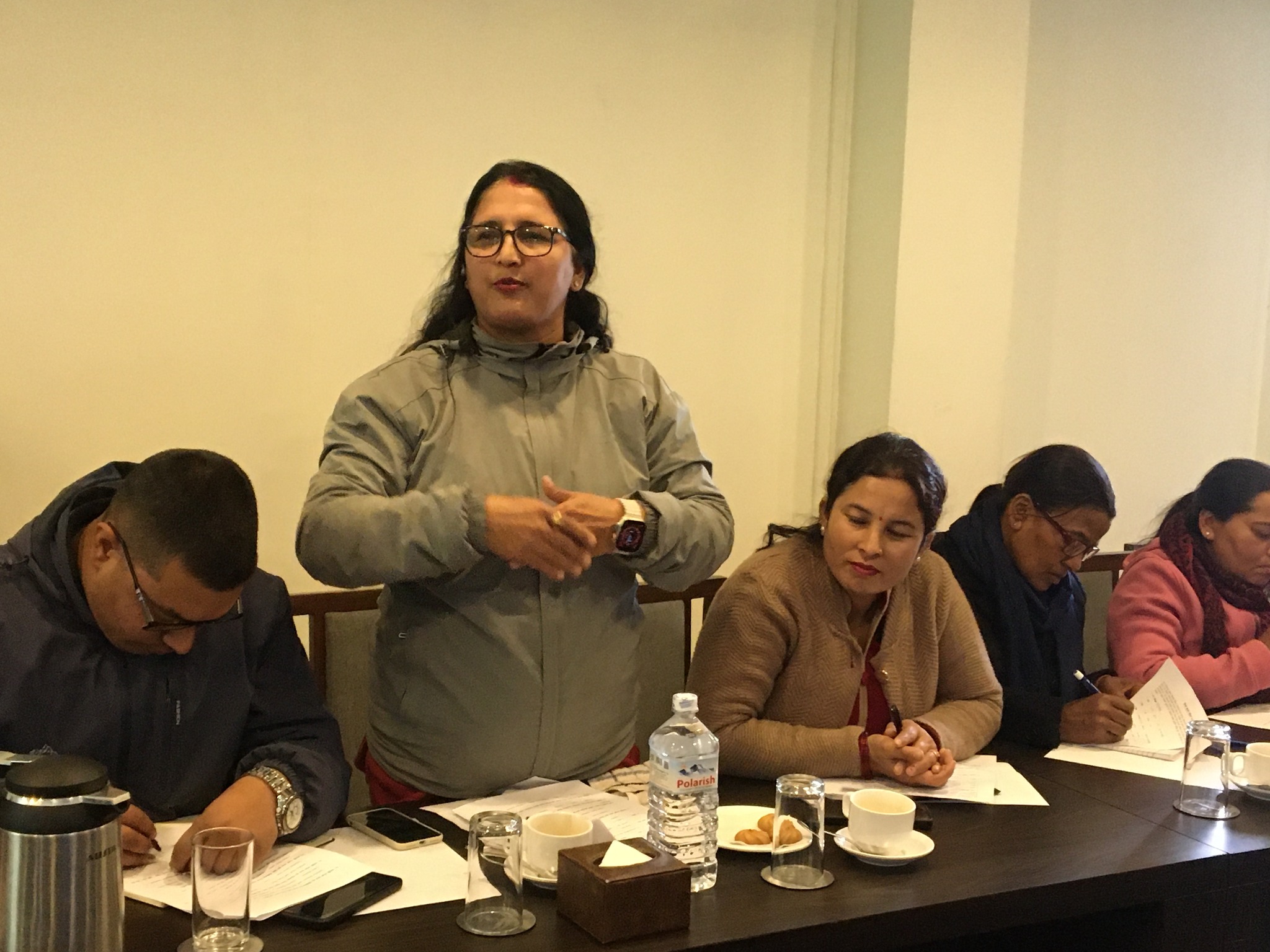
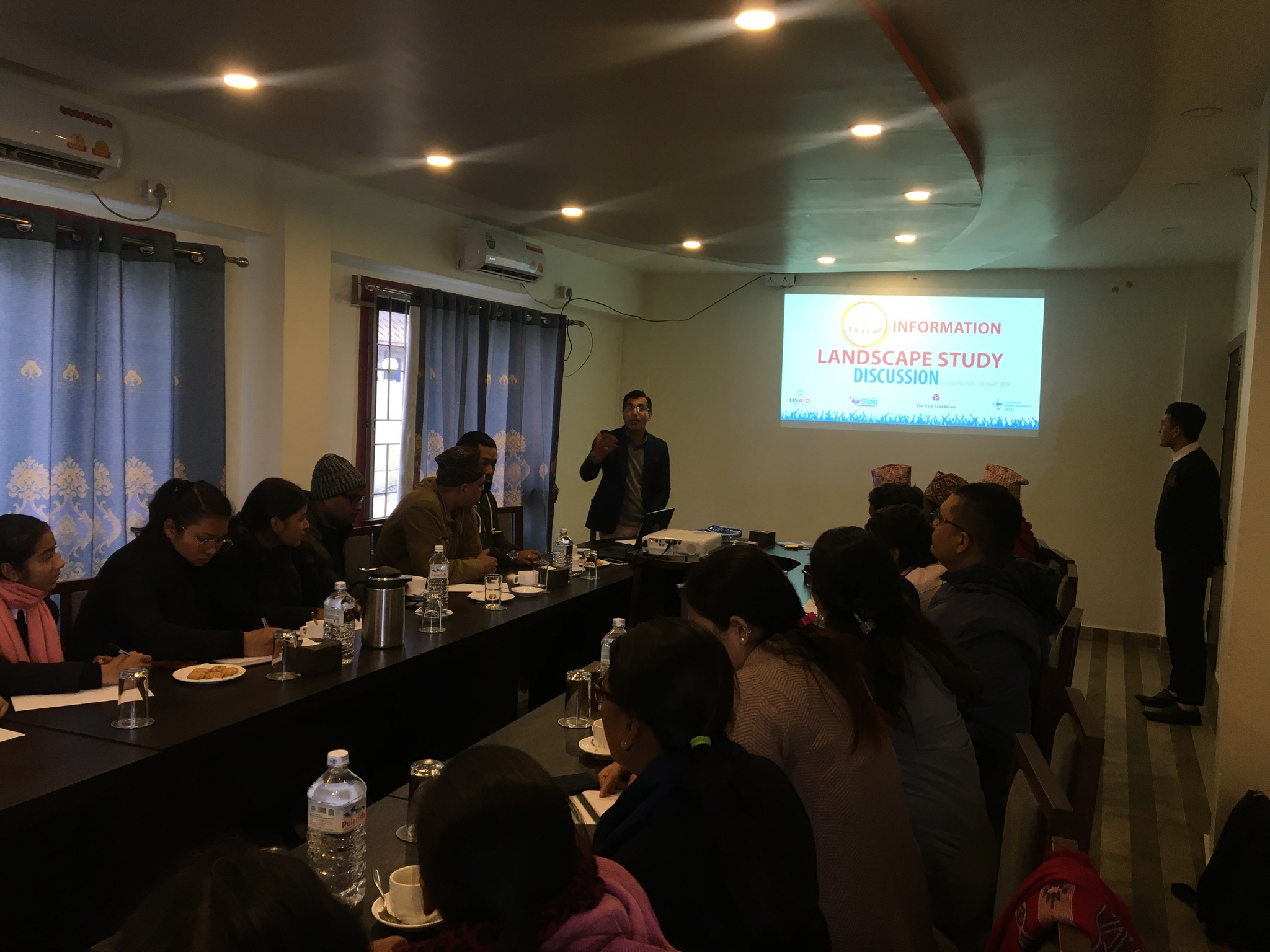
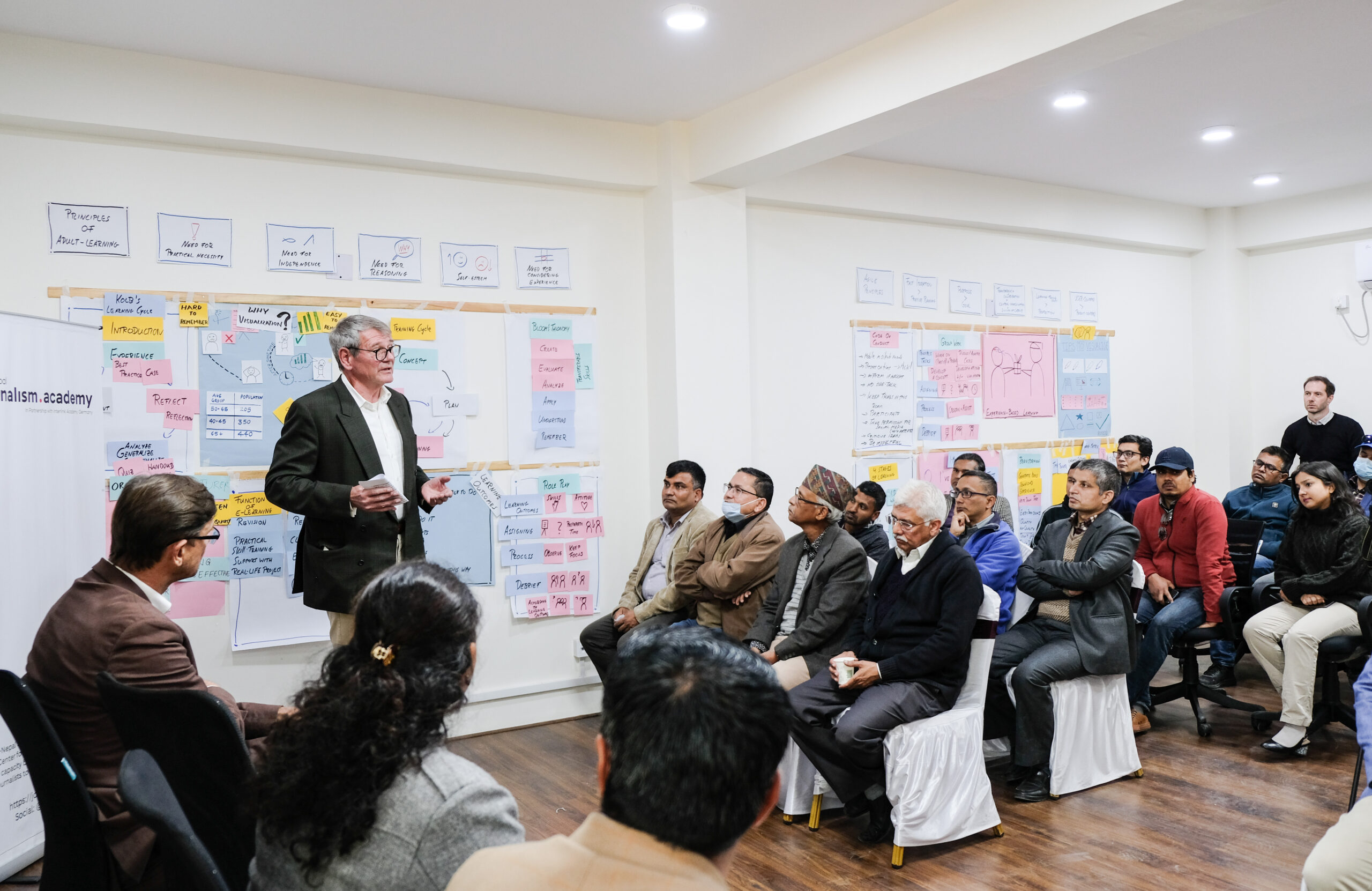
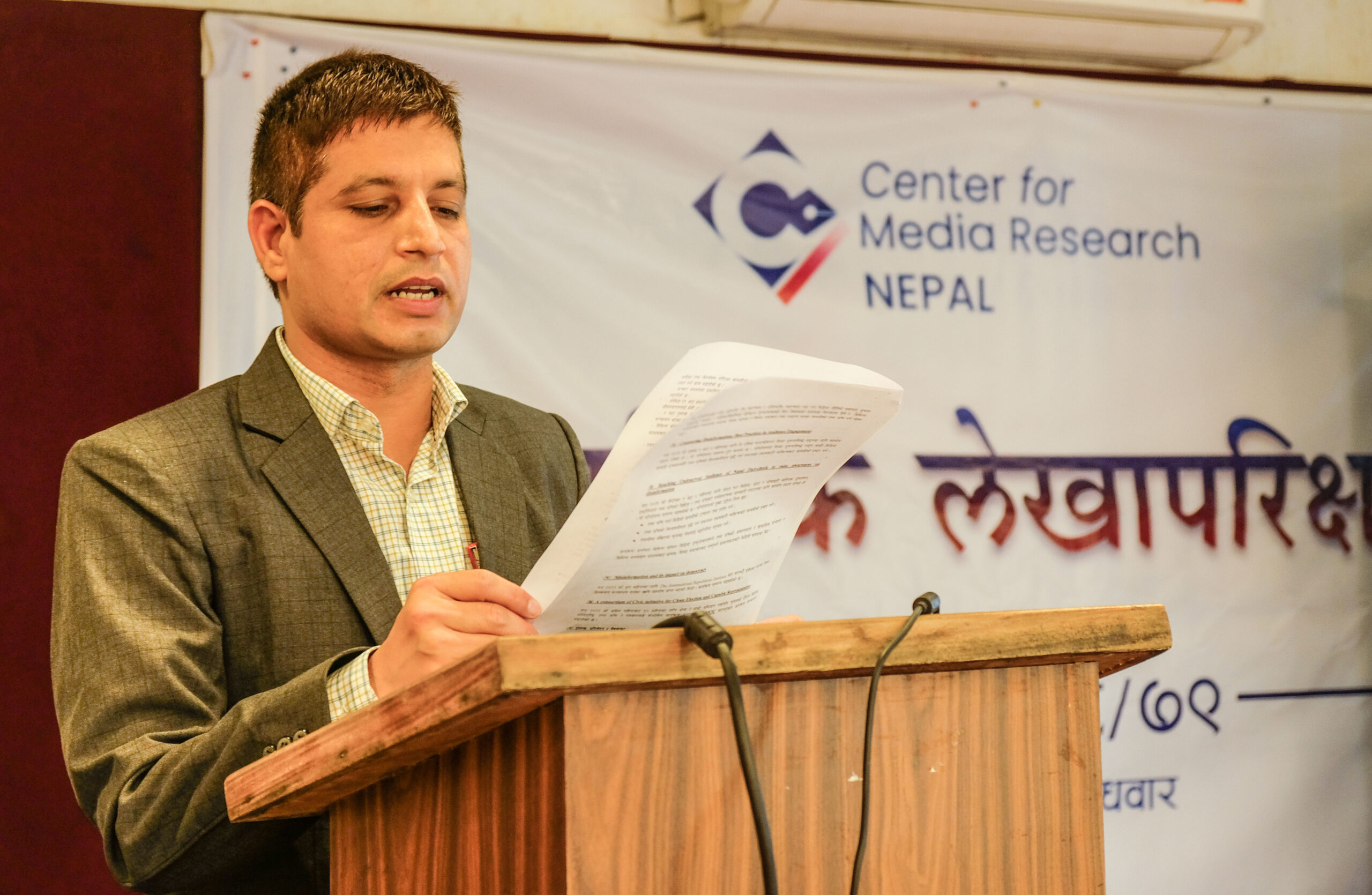
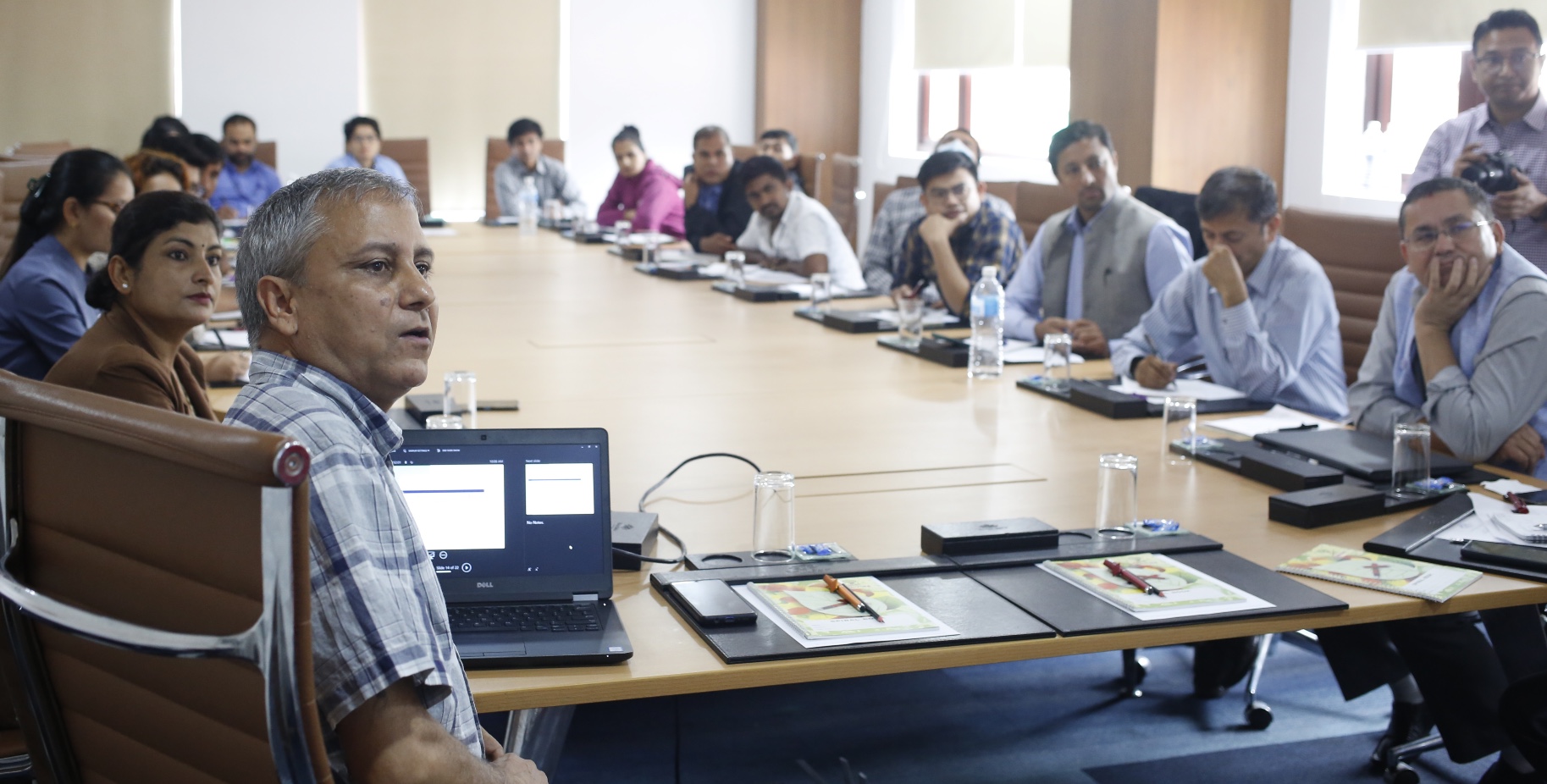
The fifth phase of the Misinformation Landscape Study discussion was organized by CMR-Nepal on January 17, 2023, in Hetauda, the capital of Bagmati Province.

The objective of the program was to enhance the comprehension of the problem of misinformation in the province.

The program was attended by 35 participants, including representatives from political parties, youth, students, health workers, women’s groups, journalists, and social media influencers.

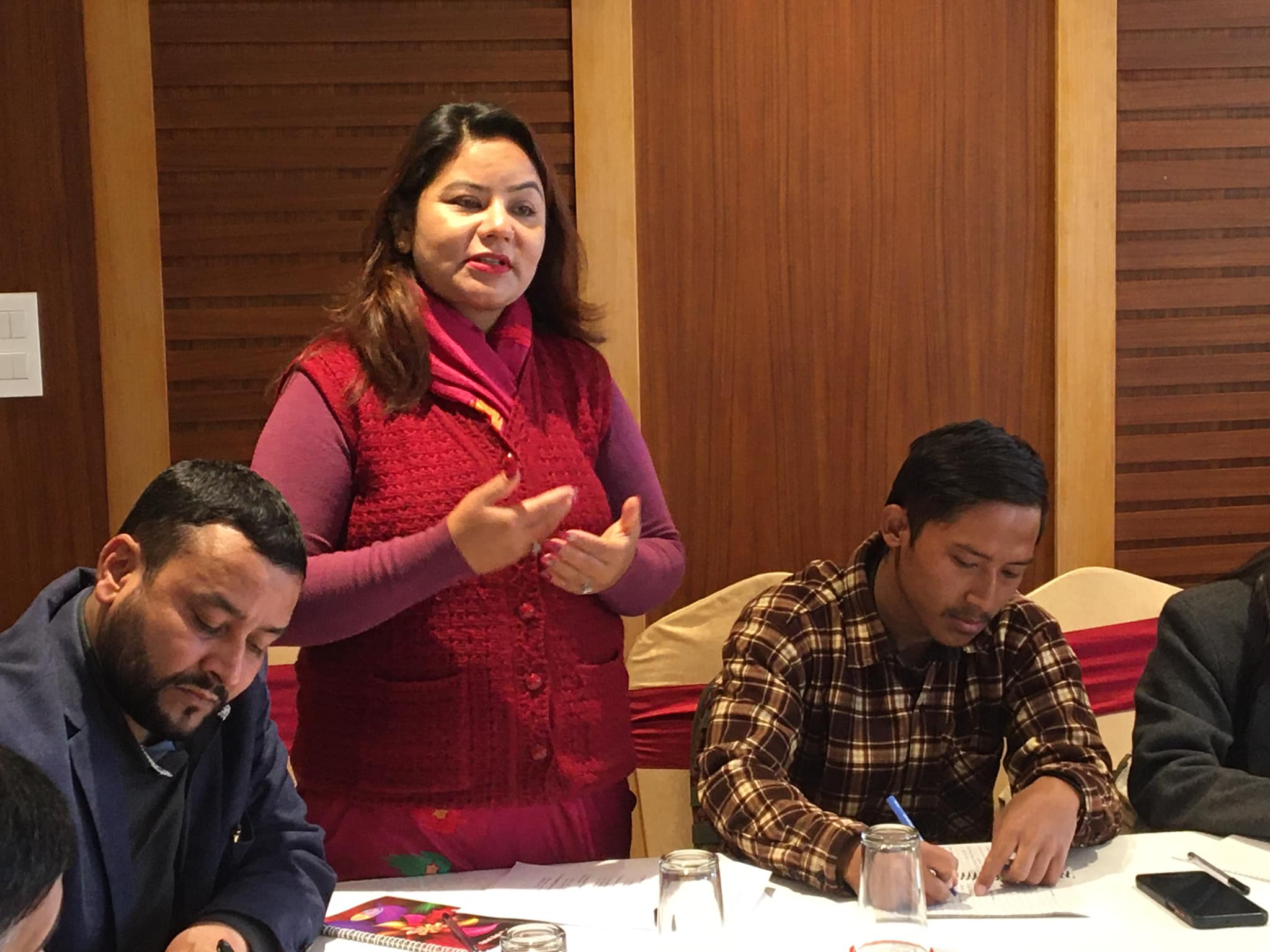
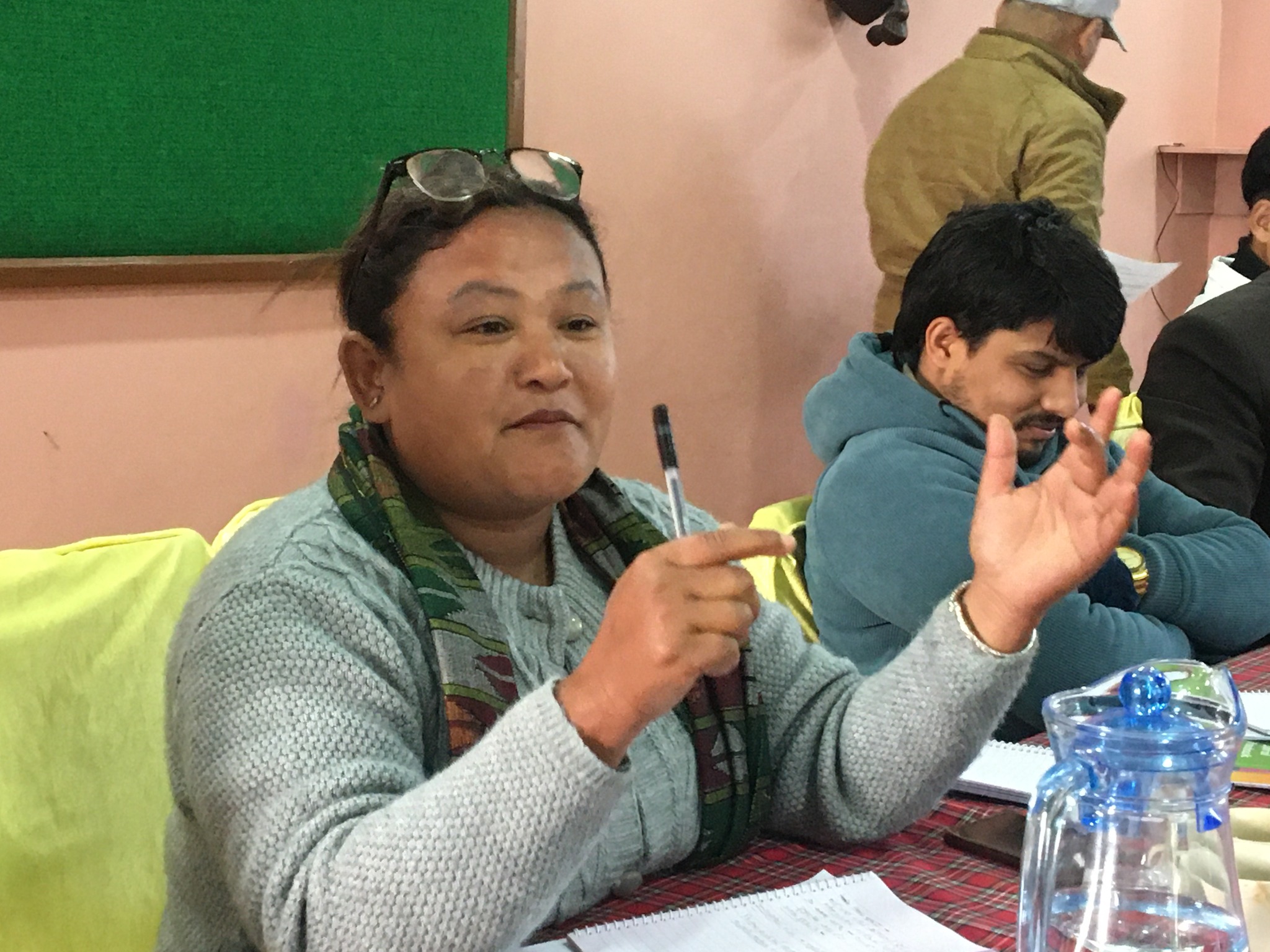
During the event, Laxmi Jimba, the Ward Chair of Bakaiya Rural Municipality-5 in Makwanpur District, blamed “dirty politics” for the spread of misleading information across political and societal domains.

She shared how her affiliation with a political party prevented her from speaking freely about certain topics.

Jimba also pointed out that journalists and news media have failed to counter misinformation due to their affiliations with various political parties, but she held politicians responsible for this problem.


“If journalists are given the freedom to work independently, the spread of political misinformation would be largely controlled,” she added.

The discussion also highlighted the media’s role in spreading misinformation in the field of agriculture.

An agro-entrepreneur from Hetauda shared how news media present misleading data about profits from agriculture, often framing turnovers as profits.


A local journalist and educator, Suresh Shrestha, explained that he and others were engaged in media literacy campaigns in Hetauda to encourage students to read news media and develop an understanding of written texts.

Koshi Province Participants Highlight Impact of Misinformation on Politics, Women’s Health, and Education

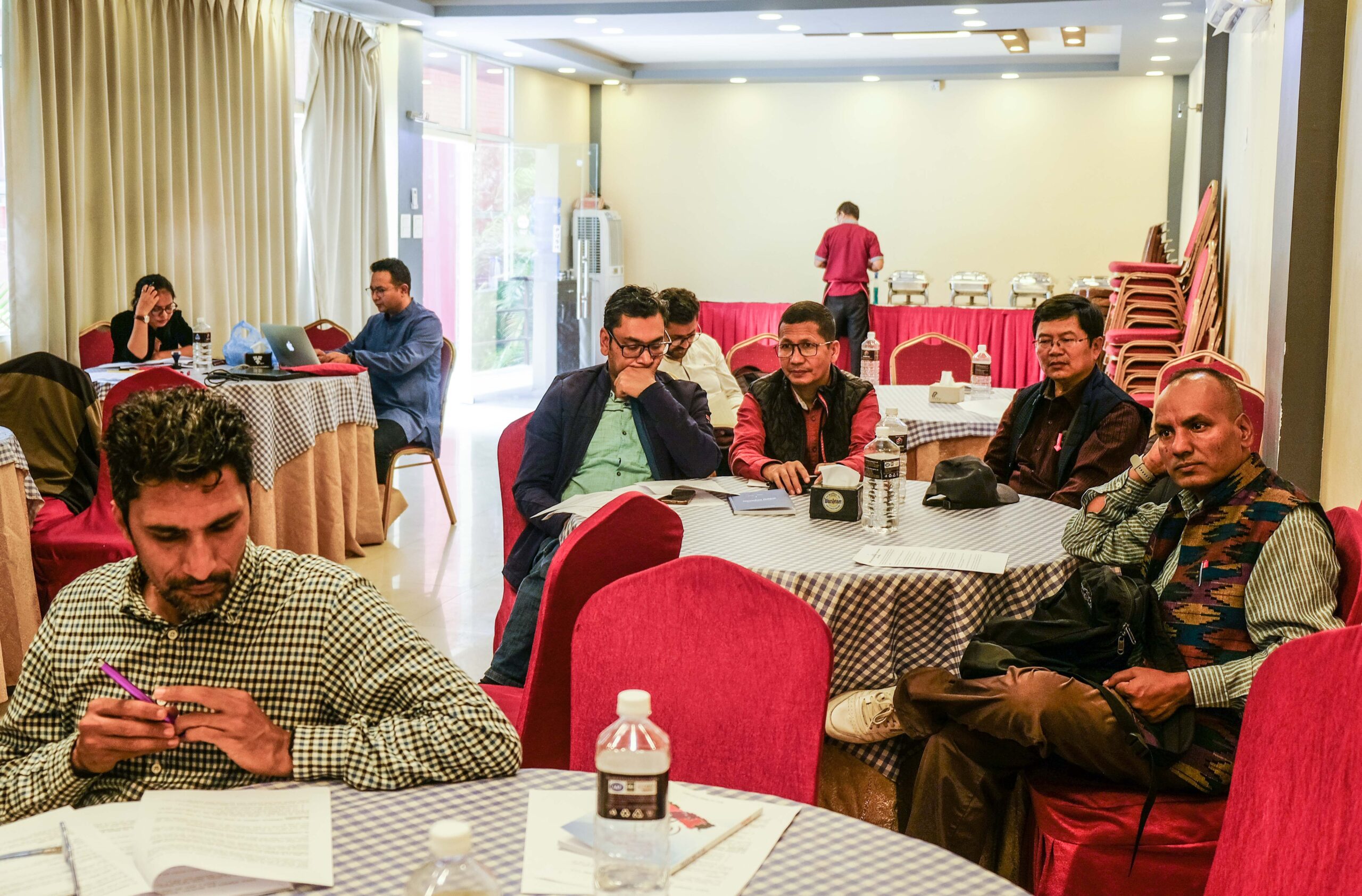
The fourth phase of the Misinformation Landscape Study discussion program was held on January 12, 2023, in Biratnagar, Koshi Province, organized by CMR-Nepal with the objective of increasing awareness of misinformation in the region.

The program was attended by 30 participants, including representatives of political parties, youth, students, health workers, women’s groups, journalists, and social media influencers.

During the program, participants shared their experiences of encountering misinformation in different sectors of the province. Sagar Thapa, a UML leader from Biratnagar Metropolitan City, highlighted how politics and politicians are being misguided due to waves of misinformation during elections and beyond. He noted that misinformation and conspiracy theories in politics and political agendas can have a negative impact on every aspect of Nepali life and society.

A health official pointed out that women are facing significant problems due to misinformation in the province, particularly regarding gender-biased sex selection during pregnancy. Riju Poudel, a health officer, emphasized the importance of combating such misinformation to prevent such harmful practices.

The discussion also highlighted the role of language in spreading misinformation, with concerns raised about its impact on handicapped people. Additionally, a public educator from Biratnagar in Province 1 recalled how a former minister claimed in a television interview that school textbooks had already reached all schools across the country, but he was still waiting for them in his own school, highlighting the prevalence of misinformation even at the highest levels of government.

Finally, some participants emphasized that not all information on social media is fake, and that positive information can also be shared. However, they also stressed the importance of exercising self-control when sharing information on social media to prevent the spread of misinformation.

Discussions Held in Madhesh Province to Tackle Misinformation

The Misinformation Landscape Study program continued with its third phase, organized in Janakpurdham, the capital of Madhesh Province on January 10, 2023.

The objective of the discussion was to raise awareness about misinformation in the region and identify ways to counter it.

The program had 25 participants, including representatives from political parties, youth, students, farmers, women’s groups, journalists, and social media influencers.

Misleading narratives that discourage women from participating in the electoral system were identified as a prominent issue in Madhesh Province. A Dalit woman respondent stated that social media is often used to defame and discourage women in politics.

Women politicians also reported facing barriers in obtaining first-past-the-post (FPTP) tickets, with misinformation being circulated that they cannot compete with male or economically well-off candidates.

Another misguided narrative identified in the region is the notion of Madhesis vs Pahadis, which has reportedly arisen due to social media and unregistered portals. However, one participant noted that politicians and opinion makers may be behind its promotion for their electoral gains.

Misunderstanding about the country’s constitution and citizenship laws were also identified as issues in Madhesh Province. According to a government attorney who is from the Madhesi community and works in Janakpur District Court, a few influential opinion makers and writers are responsible for creating the narrative that the constitution is discriminatory towards the Madhesi community.

The attorney suggests that if the constitution had been translated into Maithili, distributed widely among the Madhesi communities, and explained clearly, the violent protests that occurred before and after the adoption of the constitution could have been avoided.

The flow of misinformation was also observed to be high during crisis situations, particularly political movements. Civil society representatives noted that such misinformation is often disseminated based on emotions, religion, and threats. Additionally, student participants identified the issue of sharing information without verifying it in the province.

Misinformation Landscape Discussion in Pokhara, Gandaki Province

On January 3, 2023, CMR-Nepal conducted the second phase of its Misinformation Landscape Study discussion in Pokhara, Gandaki Province. The program was attended by a diverse group of 30 participants, including Province Assembly members, political party representatives, youth, students, farmers, women’s groups, journalists, and social media influencers.

During the discussion, Province Assembly Member Saraswoti Gurung highlighted the harmful effects of stereotypes and victim-blaming tendencies towards women, Dalits, and minorities, and stressed the need to combat misinformation disguised as freedom of speech.

Bimala Bhandari, the Chairperson of the Federation of Nepali Journalists in Kaski District, emphasized the importance of fact-checking information to tackle misinformation, which she described as becoming a daily diet for mobile users.

Teachers and students in the province shared their experiences with social media and recognized the need to read and verify content before sharing it. A public health official based in Pokhara also noted the negative effects of giving personal advice to patients about medicines, treatment, and doctors, which has led to misinformation in the health sector.

Dharma Datta Paudel, an agro-entrepreneur based in Pokhara, highlighted the prevalence of misinformation about seeds, fertilizers, pesticides, and subsidies for farmers. He emphasized the need to dispel such misinformation and provide accurate information to farmers.

Overall, the discussion underscored the urgent need for increased awareness and fact-checking to combat the spread of misinformation in the province.

Discussion on Misinformation Landscape in Lumbini Province

On January 3, 2023, CMR-Nepal organized a discussion in Butwal, Lumbini Province, to address the issue of misinformation in the region.

The event was attended by 54 people, including Province Assembly members, political party representatives, youth, students, farmers, business community, women’s groups, journalists, and social media influencers. The participants shared their personal experiences with misinformation in various forms of media.

During the discussion, Province Assembly Member Bhoj Prasad Shrestha highlighted the challenges faced by the public in identifying accurate information in the information era.

He emphasized that misinformation and disinformation are especially prevalent during elections and can have negative impacts on civil society and political institutions. He called for action against those involved in disseminating misinformation.

Advocate Deepa Sunar pointed out that the law prohibits the dissemination of misinformation and called for its effective implementation to combat this problem.

Jamuna Nepali, the General Secretary of Feminist Dalit Organization (FEDO) in Rupandehi District, emphasized the need to tackle misinformation targeting lower castes in the area. She explained that the use of derogatory remarks and their representation in society also constitutes misinformation.

The student and youth participants in the program emphasized that social media is a common platform for the spread of misinformation, often taking the form of parody, humor, and satire. They stressed the need for media literacy at the school and college level to combat this issue.

Nepal’s laws continue to restrict press and civil society, CMR reports find

Nepal’s laws and regulations have restrictive provisions that affect freedom of expression restricting press and civil society, CMR-Nepal’s research reports have pointed out.

Since the launch of the federal system of governance, the laws and bills at the federal, provincial, and local levels continue to threaten free speech, the reports conclude.

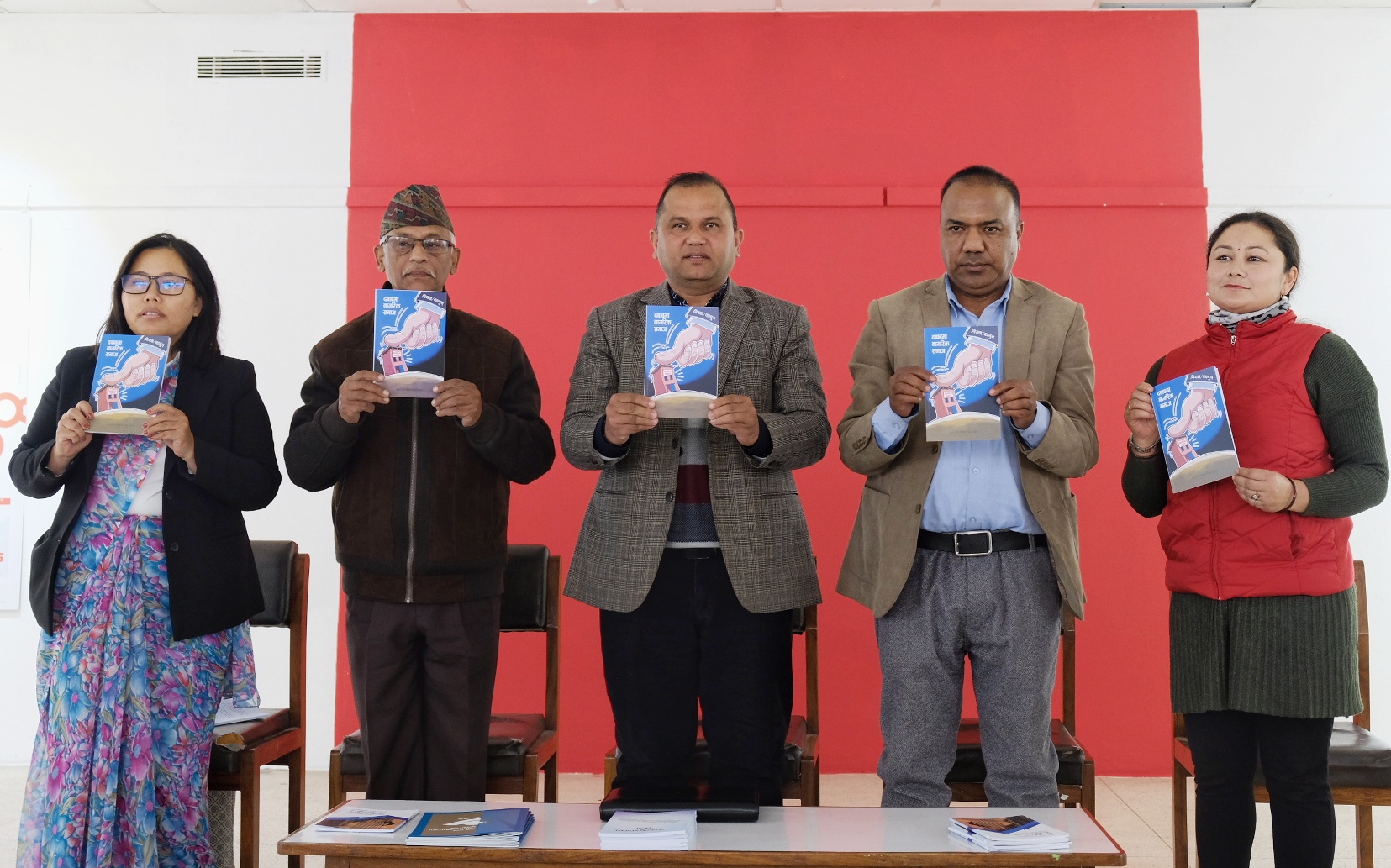
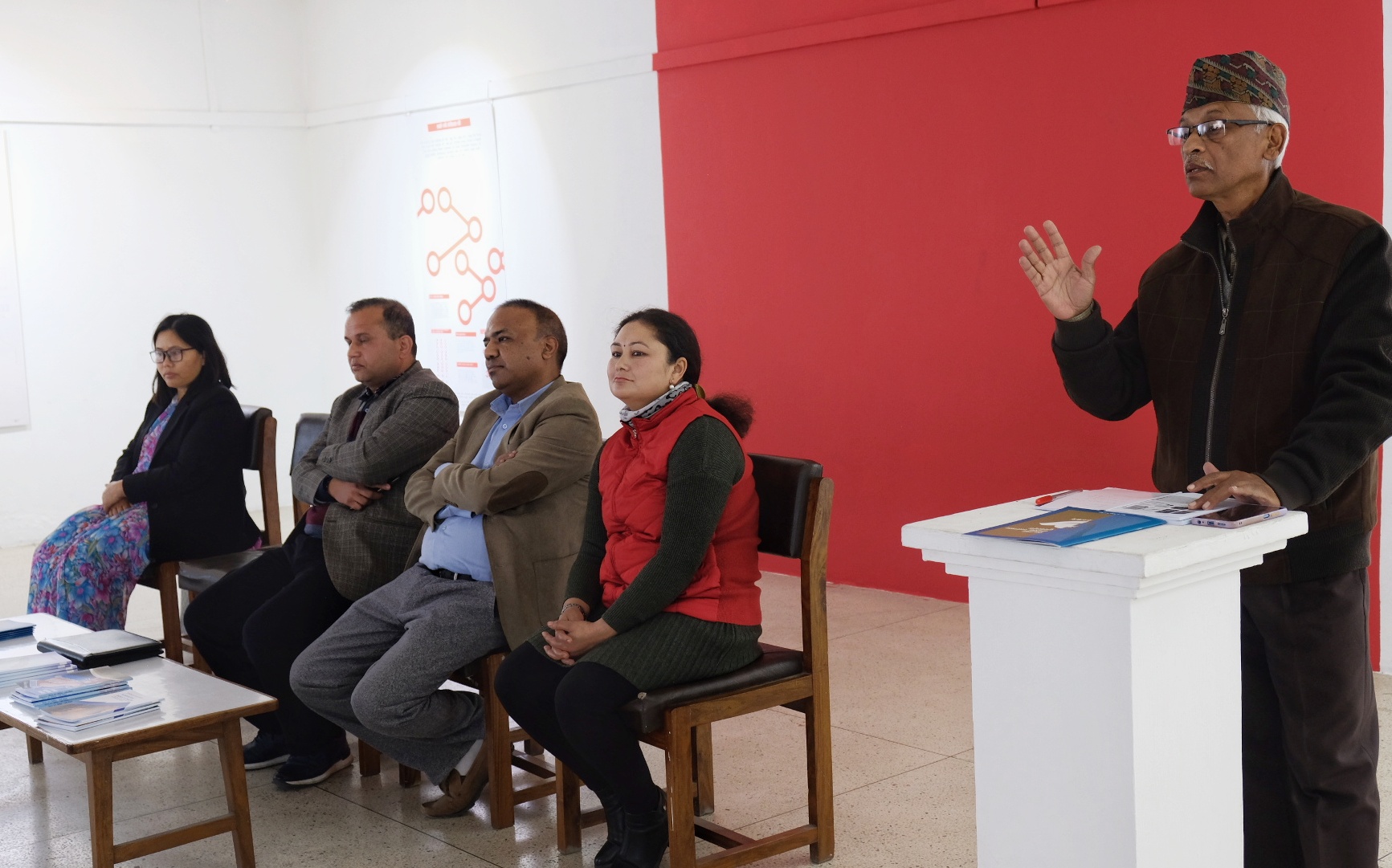
CMR-Nepal released four reports amidst a program on December 29. The released reports are: Sanchuchanma Press (Press in Restriction), Dababma Nagarik Samaj (Civil Society Under Pressure), Press Tatha Nagarik Swotantrata Suchakanka (Press and Civil Liberty Indicators) and Media Coverage of Nepali Labor Migrants During Covid-19 Pandemic.

The first two reports highlight that such restrictive provisions in the law can be misused by the three levels of government to affect the freedom of the press and expression at any time if it intends to so.

According to the reports, 14 policies have been passed at the federal and provincial levels. Local governments have also passed laws to regulate FM radio stations under 100 watts. At the federal level, the only law to regulate advertising was passed in the parliament.

Other bills, Media Council, Public Service Broadcasting, and Information Technology did not get positive nodes because of restrictive provisions and continued pressure from the media stakeholders. The draft of the Mass Communication Bill was prepared but was not submitted to the Parliament.

The Constitution of Nepal guarantees freedom of press and expression, but media-related laws and bills contain provisions that can revoke the license, ban broadcasting, and cancel the registration. In the same way, provisions for publishing a report only after examining the content, provision of directives on what to publish and what not to, and provisions of fines and imprisonment could easily be misused by the ones in government.

The reports suggests that the making of media policies should be based on extensive consultation with the relevant stakeholders that meet and upholds the spirit of the constitution.

The Press and Civil Liberty Indicator 2079 is based on the perception survey result of experts, journalists, and civil society activists in all seven provinces of Nepal. The report shows there is little interference from the state in the freedom of speech of media, social organizations, and social workers. The report also showed that the federal government seems to be a bit strict towards social organizations than the media.

Speaking at the program, Professor of Journalism P. Kharel said that since the preamble of the constitution mentions ‘complete press freedom,’ provisions that conflict with the constitution will automatically be void. Kharel favored the operation of media by the government in Nepal because of the partisan line among the media houses and journalists.

Press Council Nepal’s Chairperson, Bal Krishna Basnet shared his experience working in the office- where he found that the government had little interest in the development of media, which is evidenced through budgetary allocation, which is very less. He was also of the understanding about the tendency of controlling the press by the ones in power.

Senior Vice President of the Federation of Nepalese Journalists, Ramesh Bista, said that laws were made in Nepal without consulting with stakeholders. He also pointed out the need to be cautious whether media-related law making contravenes and conflicts with the essence and spirit of the Constitution.

President of Sancharika Samuha Bimala Tumkhewa emphasized the need to make laws that facilitate the press rather than restrict it.

All the publications are downloadable at the CMR-Nepal’s website.

Interventions to Combat Misinformation in Nepal’s 2022 Elections

Background and Political Context

According to the 2021 census, 38 percent of households in Nepal have internet connections, while 52 percent of the population are internet users [1].

A large number of citizens use the internet via mobile phones. There are many citizens who don’t use browsers to access the internet but use social media. Facebook, YouTube, and TikTok are popular social media in Nepal. The number of people using social media is higher than those who watch TV (31 percent), listen to radio (26 percent), and read newspapers (four percent) for news [2], and they are more likely to be affected by misinformation.

Nine out of every 10 internet users encounter misinformation, and 98 percent of Nepal’s internet users are concerned about the flow of misinformation and its impact on society [3].

Due to the lack of information literacy, limited access to news media, and political instability seen in recent decades, there is a high likelihood of information manipulation in Nepal. Policies drafted by the government to regulate social media, citing the spread of misinformation and other negative trends, do not show respect for freedom of speech, internet freedom, and basic civil rights [4].

Information Manipulation in Nepal

Nepal had experienced information manipulation and its adverse effects even before social media became popular. In 2000, a misinformation about comment on Nepal by an Indian actor led to ethnic violence across the country and the death of some citizens. Around 2009, when misinformation about child kidnappers spread, innocent people were injured and killed in mob beatings in various locations [5].

Although a lot of misinformation spread during the 2001 Royal Massacre or the 2015 Gorkha Earthquake, it was more extensively seen during the 2017 elections. After the start of the COVID pandemic in 2020, misinformation increased dramatically, and due to the increasing use of misinformation during elections worldwide, it was anticipated that information manipulation could influence elections in Nepal as well.

In a 2021 CMR-Nepal survey, 92 percent of respondents reported seeing misinformation on the internet, and 98 percent believed that misinformation could be a problem for Nepali society and politics [6]. Experts were also concerned about the possibility of information manipulation during elections, and even more so about the potential involvement of foreign actors, especially neighboring countries [7].

Election Commission’s Intervention

In the Social Media Usage Policy [8] issued in 2020, Nepal’s Election Commission identified information manipulation as a challenge and put forward the concept of developing necessary policies, strategies, and programs against it, as well as collaborating with technology companies.

The Commission conducted orientations to enhance the capacity of election officers and its staff regarding misinformation. During the 2022 election, the Election Code of Conduct included provisions related to misinformation and propaganda, as well as policies regarding misinformation and hate speech.

The Commission established a monitoring unit, including the cyber bureaus of Nepal Police and Nepali Army, to monitor misinformation and hate speech transmitted through online media. Additionally, for public awareness, the Commission collaborated with some telecomm companies to provide information about misinformation in mobile ringtones.

In 2022, the Election Commission attempted to expand relationships with platforms like Facebook, TikTok, and Twitter to reduce the number and impact of misinformation that could spread on social media during elections. Stating that information manipulation on social media during elections would be the biggest challenge, the Commission made its first attempt to establish contact with major technology companies. Among them, Meta, the company of Facebook and Instagram, collaborated with the Commission, while TikTok and Twitter opened direct communication channels regarding harmful election-related misinformation [9].

Facebook announced on September 7, 2022, that Nepal’s data would be available in its Ad Library. In this library, data regarding political or other advertisements from Nepal on Facebook and Instagram can be viewed for up to seven years. Before the election, the Meta company held various meetings and discussions in Nepal, as well as separate programs to inform the Election Commission, representatives of political parties, and journalists about Meta’s election-related efforts and available tools.

Civil Society Programs Against Information Manipulation

Among the notable interventions from the civil society during Nepal’s 2022 election, the work done by the Center for Media Research — Nepal (CMR-Nepal) and Nepal Fact Check can be considered as examples. When Nepal held elections in 2017, CMR-Nepal published an flyer [10] to inform citizens and media about misinformation, as well as conducted general monitoring of information manipulation during the election.

The monitoring showed that there were extensive attempts to manipulate information on online media and social media for the benefit by political actors during the election. Since then, CMR-Nepal has been continuously monitoring information manipulation, and it started Nepal Fact Check in 2020 in collaboration with the popular blog MySansar to fight viral misinformation [11].

Before the 2022 election, with the support of the International Republican Institute (IRI), the organization held discussions with stakeholders about information manipulation and its impacts in all seven provinces of Nepal. The discussions concluded that there is a lot of information manipulation during elections, and such manipulation can affect democracy itself, so it needs to be addressed in a timely manner.

IRI’s support in placing monitors in all seven provinces of the country to monitor information manipulation during the election, and the training provided to them on fact-checking, developed Nepal Fact Check’s capacity to monitor misinformation across the country during the election, report potential harmful content to social media, and conduct fact-checks [12].

Additionally, Nepal Fact Check was able to reach millions of citizens by helping influential TikTok users create videos to spread awareness about misinformation, and even produced a song against misinformation in collaboration with a popular folk singer, which has been viewed more than three hundred thousand times on YouTube.

The National Democratic Institute (NDI), on the other hand, helped PANOS South Asia’s fact-checking effort called South Asia Check to monitor misinformation and hate speech targeting social media pages of women in politics for a year before the election. NDI provided support to develop the necessary skills and methods for this.

Similarly, it supported the Purple Foundation to study online hate speech against women in politics. According to NDI, the study, based on a survey of 492 people across the country, 80 interviews, and 42 discussions, is the first on this subject in Nepal.

IFES had been working with various NGOs since June 2020 to empower youth across Nepal to fight misinformation. Under this program, they trained 34 youths, who subsequently conducted 23 webinars, successfully passing on that learning to more than 500 youths. Based on complaints, the Nepal Press Council suspended seven online news portals on charges of violating the Election Code of Conduct. IFES had also provided media literacy training to 7,200 youths across the country.

Nepal’s Lessons on Combating Misinformation During Elections

A Whole-Society Response is Necessary

During Nepal’s 2022 general election, there was no evidence of information manipulation significantly influencing the election results or incite violence. There was more discussion about misinformation and other information manipulation in newspaper materials or public discussions than before. One factor in such increased discussion was the collaboration of the Election Commission and civil society with platforms. Such collaborations included proactive and reactive communication programs, from spreading public awareness and educating authorities to fact-checking and reporting.

Both Governmental and Non-governmental Efforts are Necessary

Efforts made only by the government or only by the non-governmental sector may not be effective in mitigating information manipulation. It is effective to have as many types of programs as possible against information manipulation, along with both proactive and reactive communication. The government can effectively work on policy development and implementation, collaboration with platforms, increasing public awareness, and monitoring, while the private sector can work on increasing public awareness, collaborating with and reporting to social media platforms, fact-checking, and studying potential impact assessment.

The Role of Platforms is Important

Meta company’s positive presence was evident in Nepal’s 2022 election. Meta not only showed its activity through discussions and meetings before the election but also provided training to stakeholders. In such training, Meta showcased its features and provided information about policies on Facebook. This increased access to their data. Additionally, by establishing direct contact points for the Election Commission and civil society, it accelerated the process of identifying misinformation in a timely manner and taking necessary action. TikTok and Twitter also established direct communication channels and committed to taking timely action regarding harmful information.

(English translation of the case study published in “सूचना चलखेलको मुकाबिला: निर्वाचन र त्यसको सेरोफेरोका लागि स्रोतपुस्तिका” published by NDI, IRI and Standford Internet Observatory in 2022. Download Nepali version here.)

References

[1] National Statistics Office (n.d.). National Population and Housing Census 2021. https://censusnepal.cbs.gov.np/results

[2] Dixit, Kunda (2022). Nepal’s interface with information. Nepali Times, 2022 May 28.

[3] Acharya, Ujjwal (2022). Nepal Social Media Users Survey 2021. Center for Media Research — Nepal.

[4] Digital Rights Nepal (n.d.). https://digitalrightsnepal.org/?page_id=1008

[5] Acharya, Ujjwal (2023). Nepal: Promoting digital literacy with scarce resources, in Worthington, Jane (eds.) Managing the Misinformation Effect : The State of Fact-Checking in Asia. International Federation of Journalists.

[6] Acharya, Ujjwal (2022). Nepal Social Media Users Survey 2021. Center for Media Research — Nepal.

[7] Shrestha, Umesh (2022). Misinformation During Election (in Nepali). Kantipur Daily, 2022 December 23.

[8] Election Commission of Nepal (2021). Policy on the use of social media in Electoral Management, 2077. https://election.gov.np/source/Resources%20Other/05_ECN_Social_Media_Policy_English_20210622_v1.pdf

[9] Ojha, Anup (2022). Election Commission joins hands with social media giants to rein in misinformation. The Kathmandu Post, 2022 October 15. https://kathmandupost.com/politics/2022/10/15/election-commission-joins-hands-with-social-media-giants-to-rein-in-misinformation

[10] CMR — Nepal (2017). What is misinformation? https://research.butmedia.org/fake-news-disinformation-misinformation/

[11] CMR — Nepal (2020). NepalFactCheck launched to fight fake news and disinformation. https://research.butmedia.org/nepal-fact-check-launched-to-fight-fake-news-and-disinformation/

[12] CMR — Nepal (2022). Roundtables on misinformation and its impact on democracy held in 7 provinces. https://research.butmedia.org/roundtables-on-misinformation-its-impact-on-democracy-in-all-7-provinces/

CMR-Nepal opens Journalism Academy

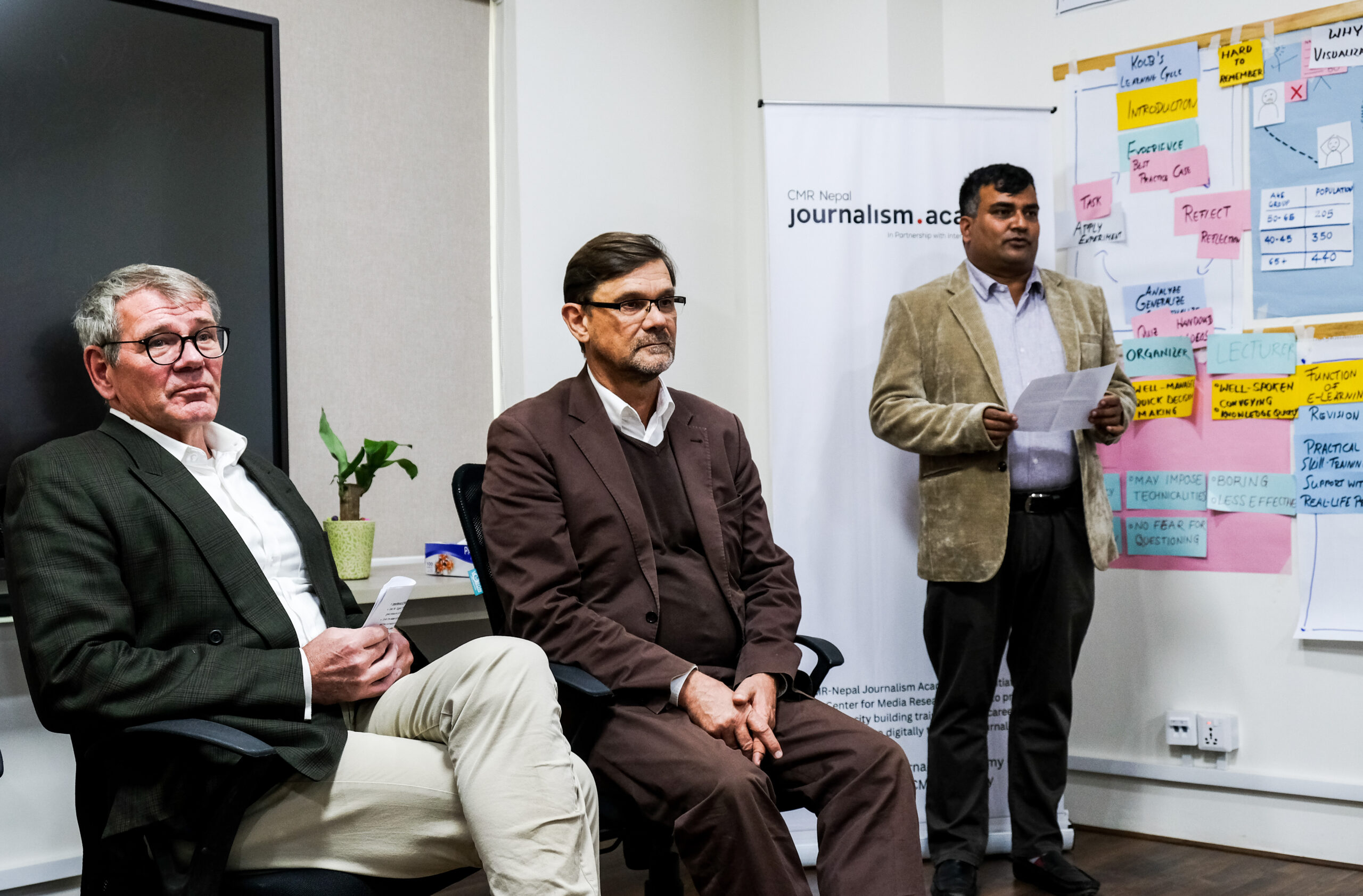
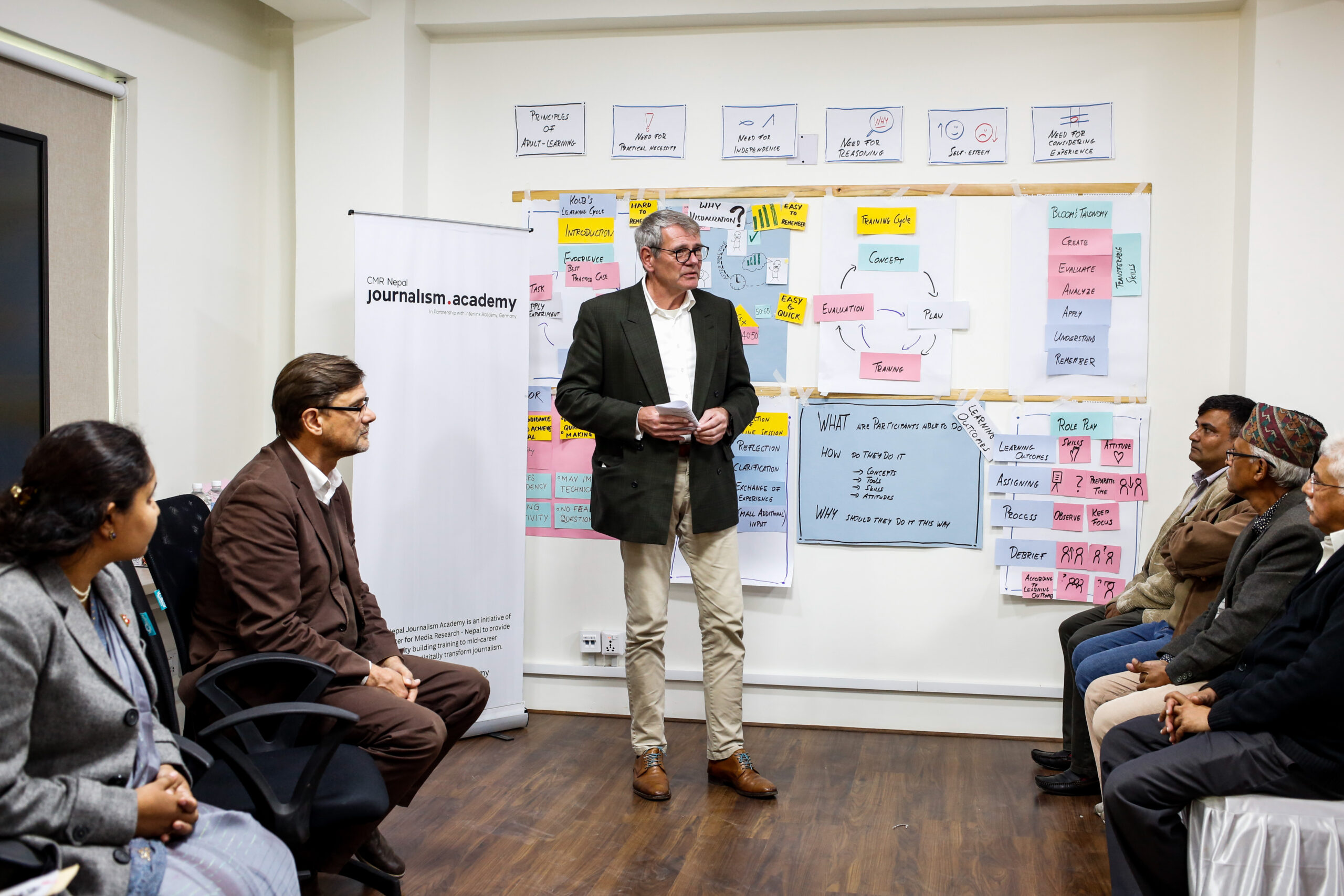
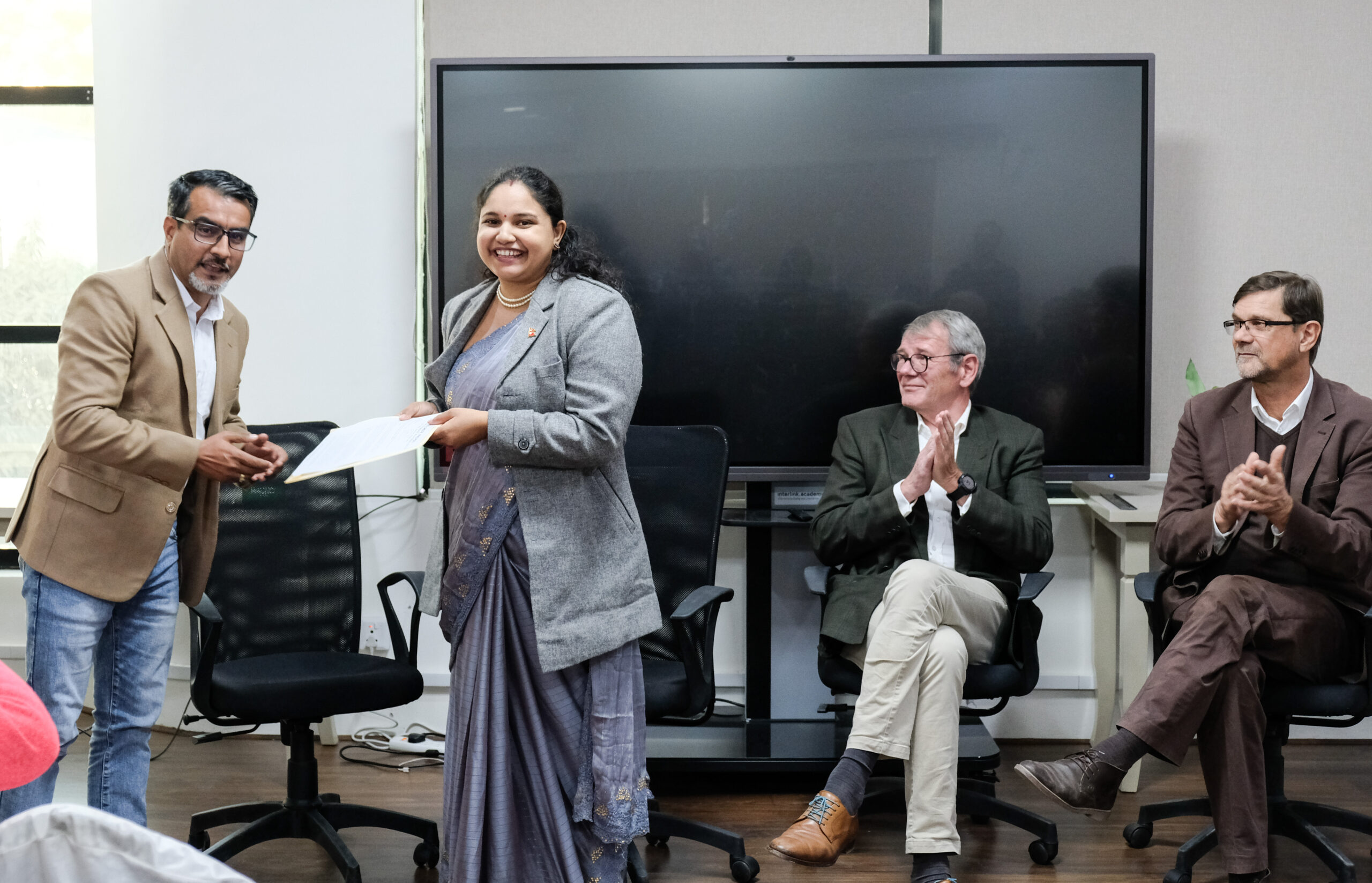
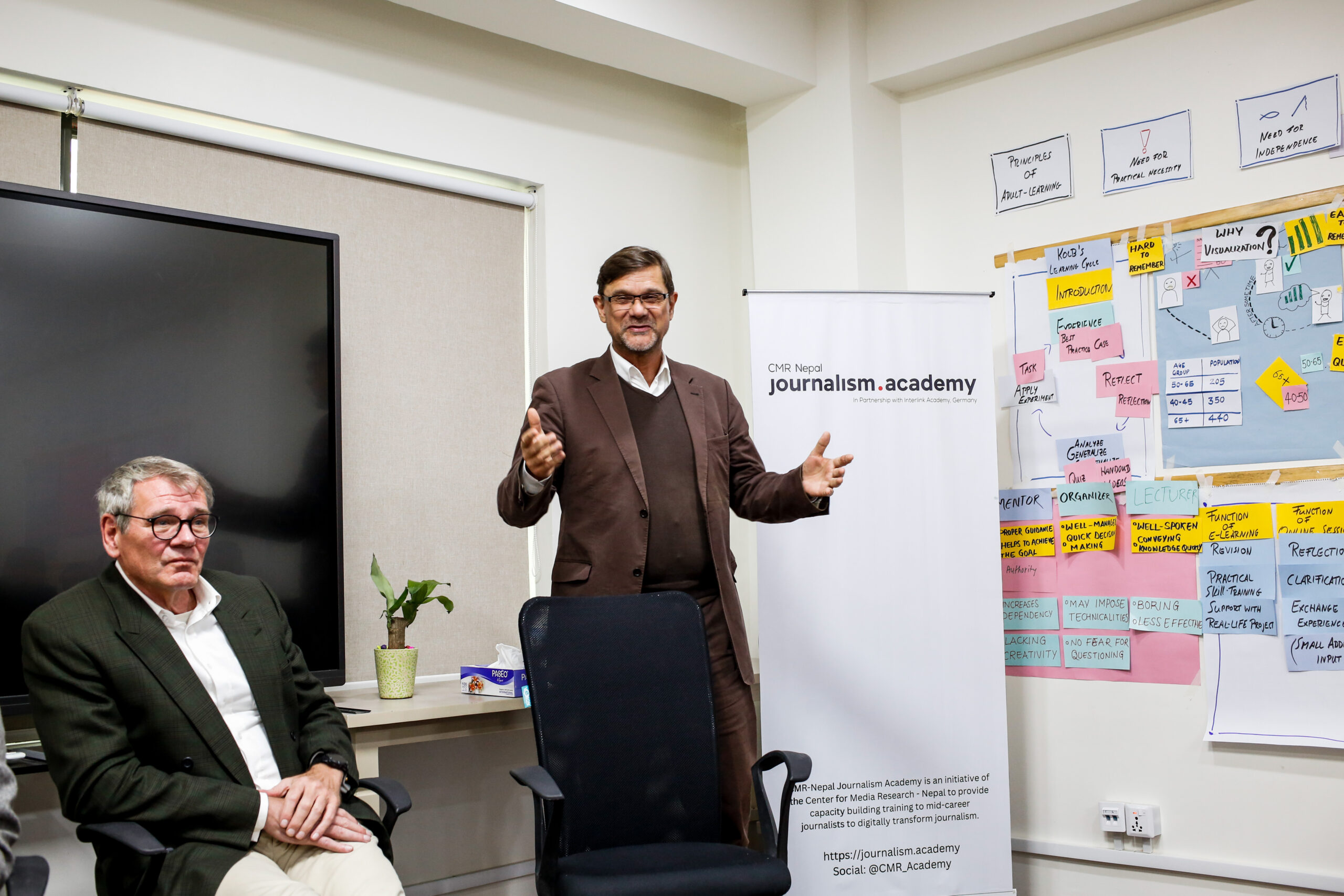
Center for Media Research – Nepal (CMR-Nepal) has established “CMR Nepal Journalism Academy” in Kathmandu with the objective of strengthening the digital capacity of Nepali journalists.

The academy has been established in collaboration with Interlink Academy for International Dialog and Journalism of Germany.

German Ambassador to Nepal Dr. Thomas Prinz opened the Academy alongwith Interlink Academy’s Director Werner Eggert, Federation of Nepali Journalists (FNJ) secretary Pawan Acharya and CMR-Nepal chairperson Trishna Acharya.

Speaking at the launching ceremony, Ujjwal Acharya, managing director of CMR Nepal Journalism Academy, said the academy will start offering training programs for journalists on mobile journalism, podcast, digital security, fact check, media literacy and data journalism from January 2023.

In his message, Federation of Nepalese Journalists (FNJ) President Bipul Pokhrel said he was hopeful that the academy would enhance the capacity of Nepali journalists by imparting necessary training.

Pokharel said: “I am confident that the professional and passionate team of experienced journalists at the CMR-Nepal will ensure that the Journalism Academy will succeed in its mission to establish itself as a trendsetting digital journalist training institute.”

Pokharel in his message also said: “The rise of disinformation fueled by the internet and social media has been a threat to trust in the media. Disinformation is also a threat to democracy and democratic system and social peace we have. I believe that journalism is the strongest tool we have today to fight disinformation.”

Similarly, ambassador Dr. Prinz said democracy thrives only when the press is free. Stating that misinformation would be disastrous for society, he said the academy should work to minimize the dissemination of fake information.

Also speaking on the occasion, Eggert said he was hopeful that training imparted by the academy would enhance the professionalism of Nepali journalism.

Presiding over the program, CMR chair Acharya said the academy would be crucial in enhancing the technical and practical skills of Nepali journalists.

Journalists, journalism academician, CMR-Nepal’s supporters and members were present on the occassion.

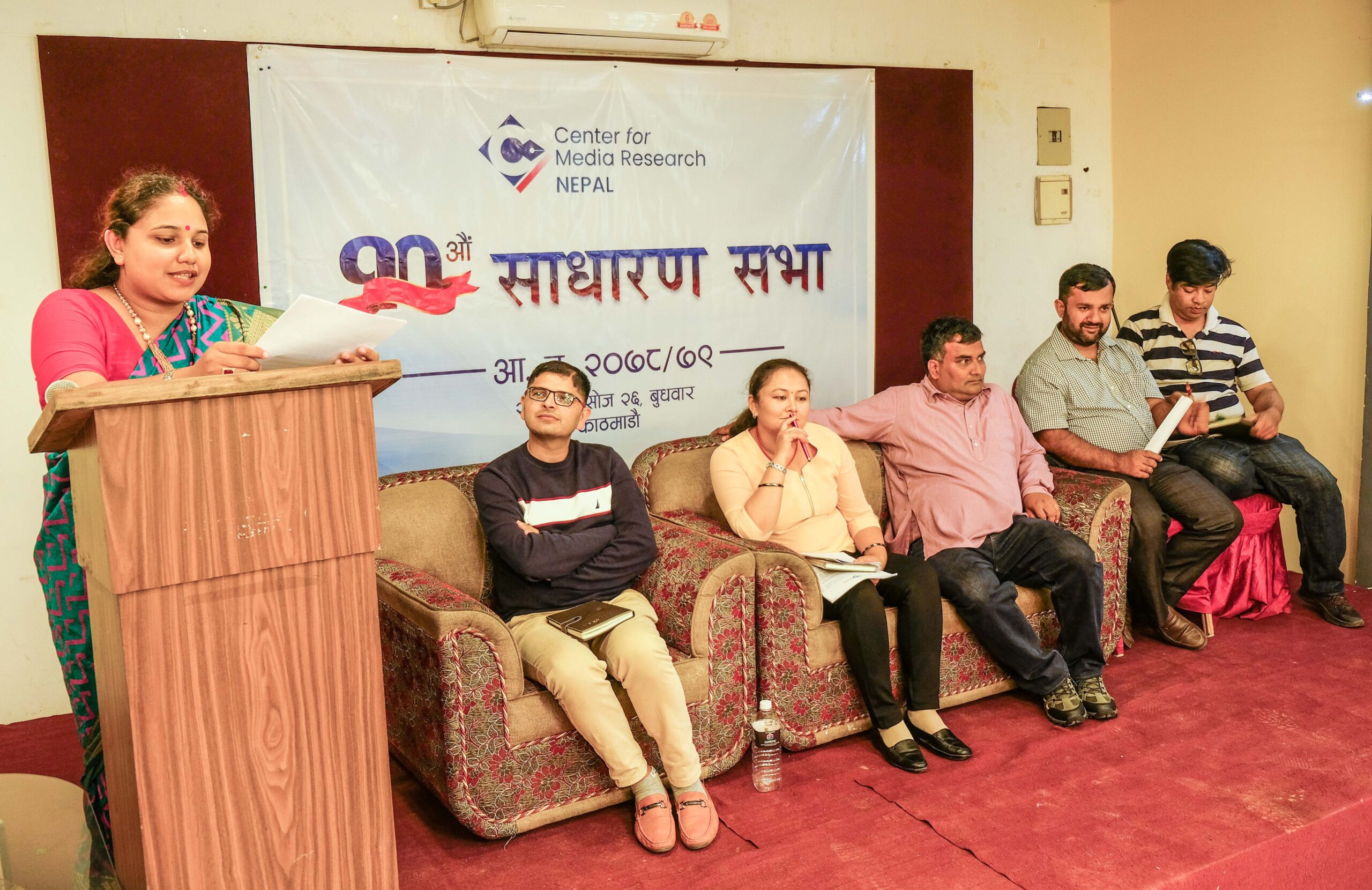
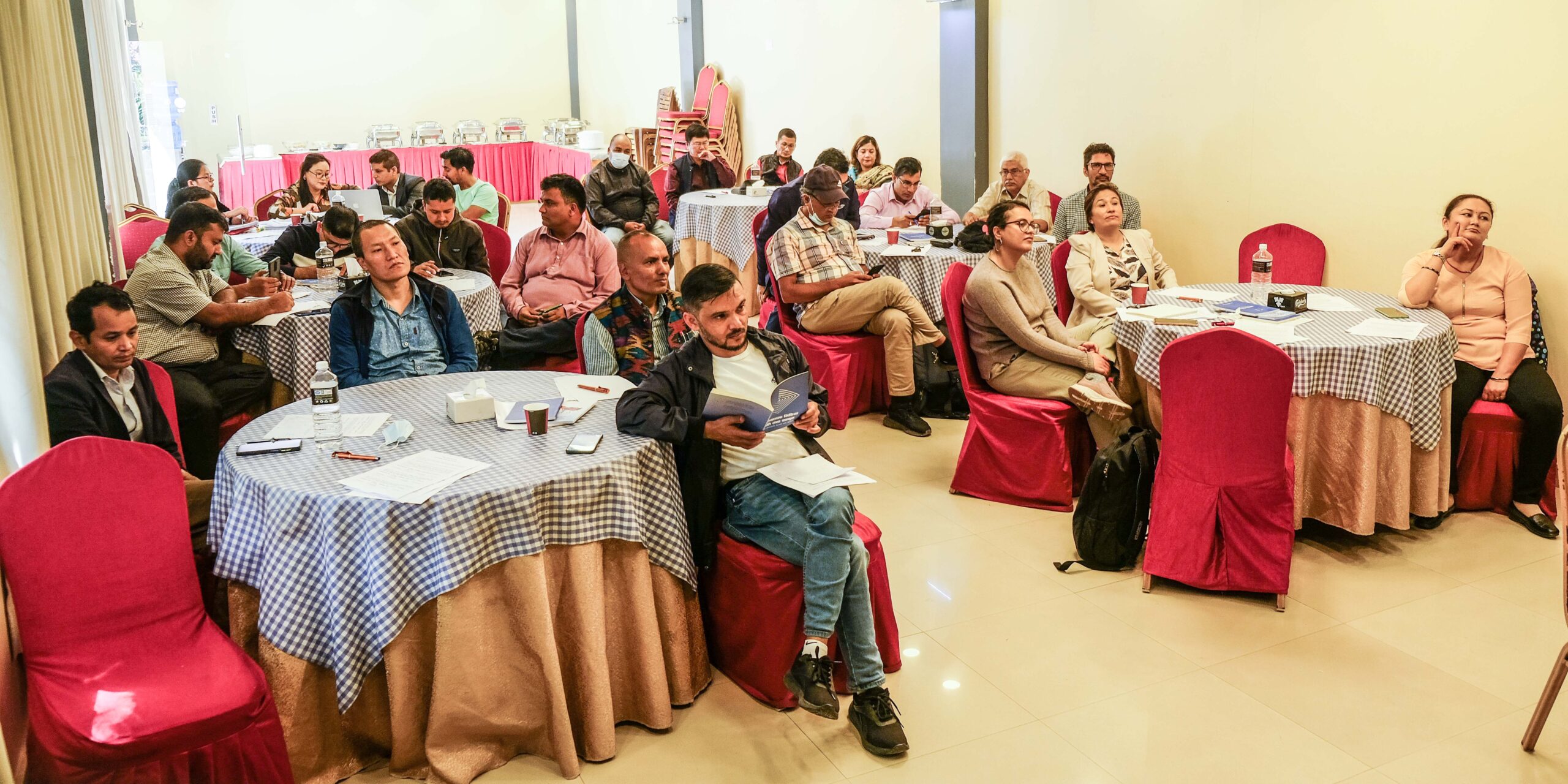
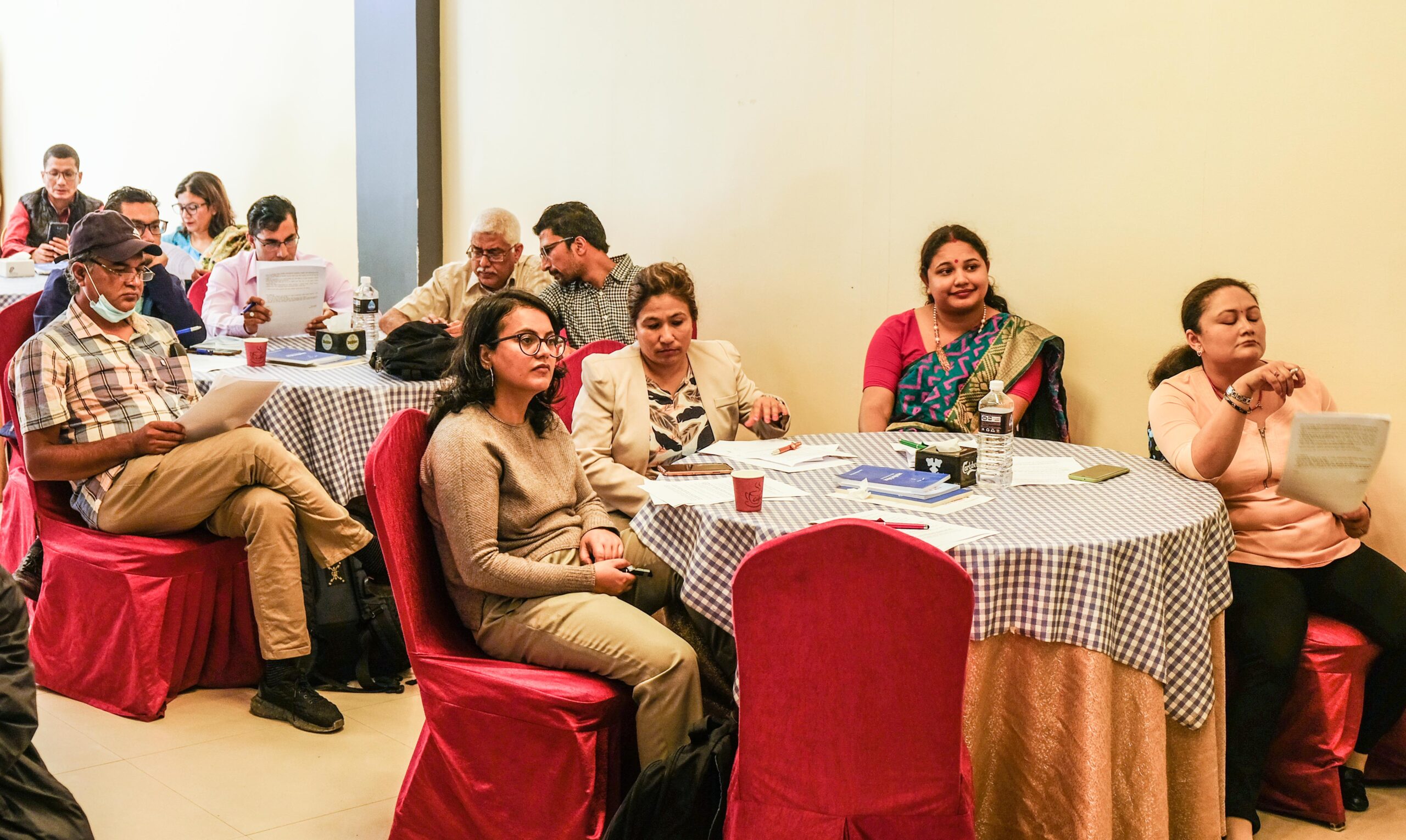
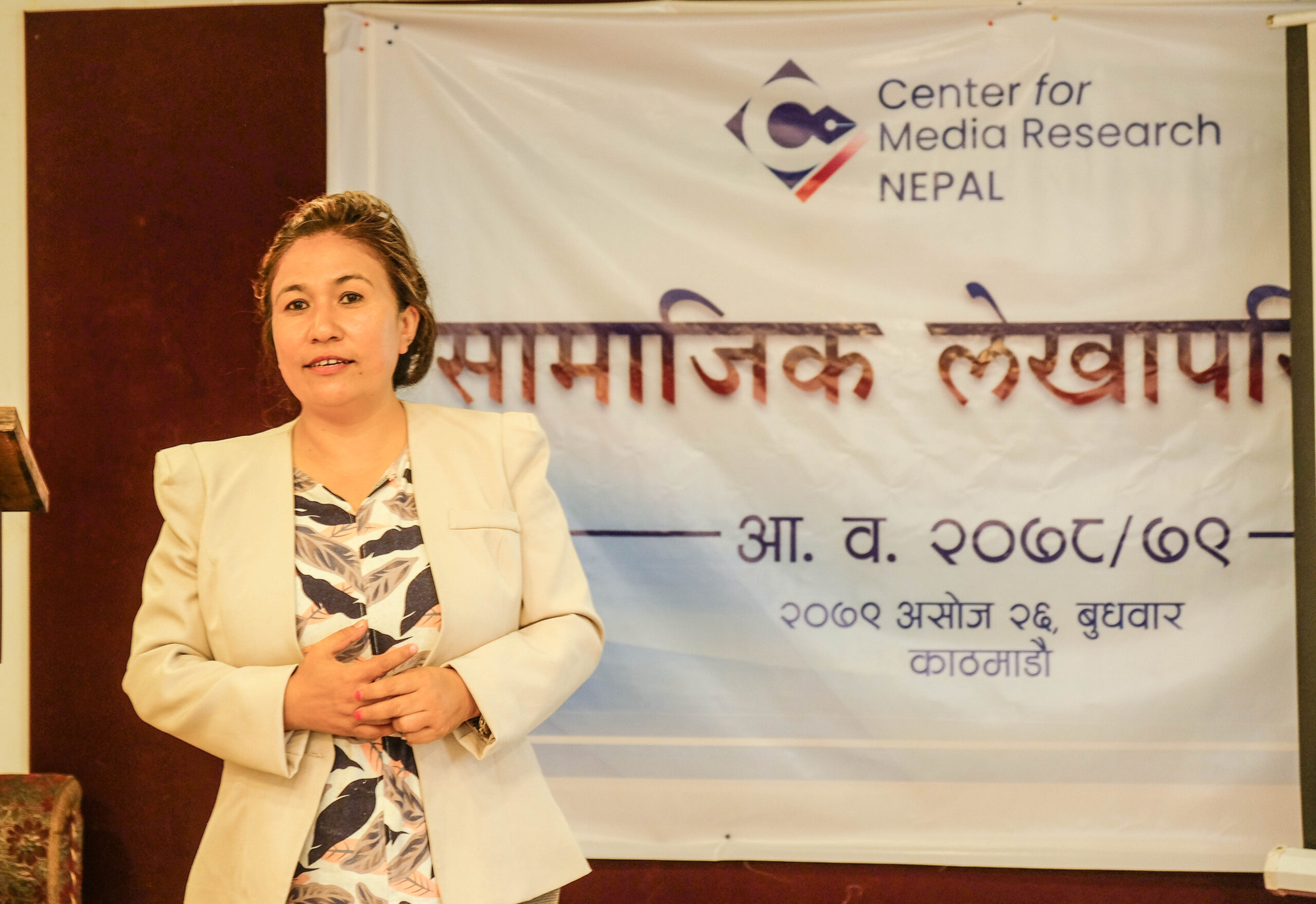
10th Annual General Assembly organized

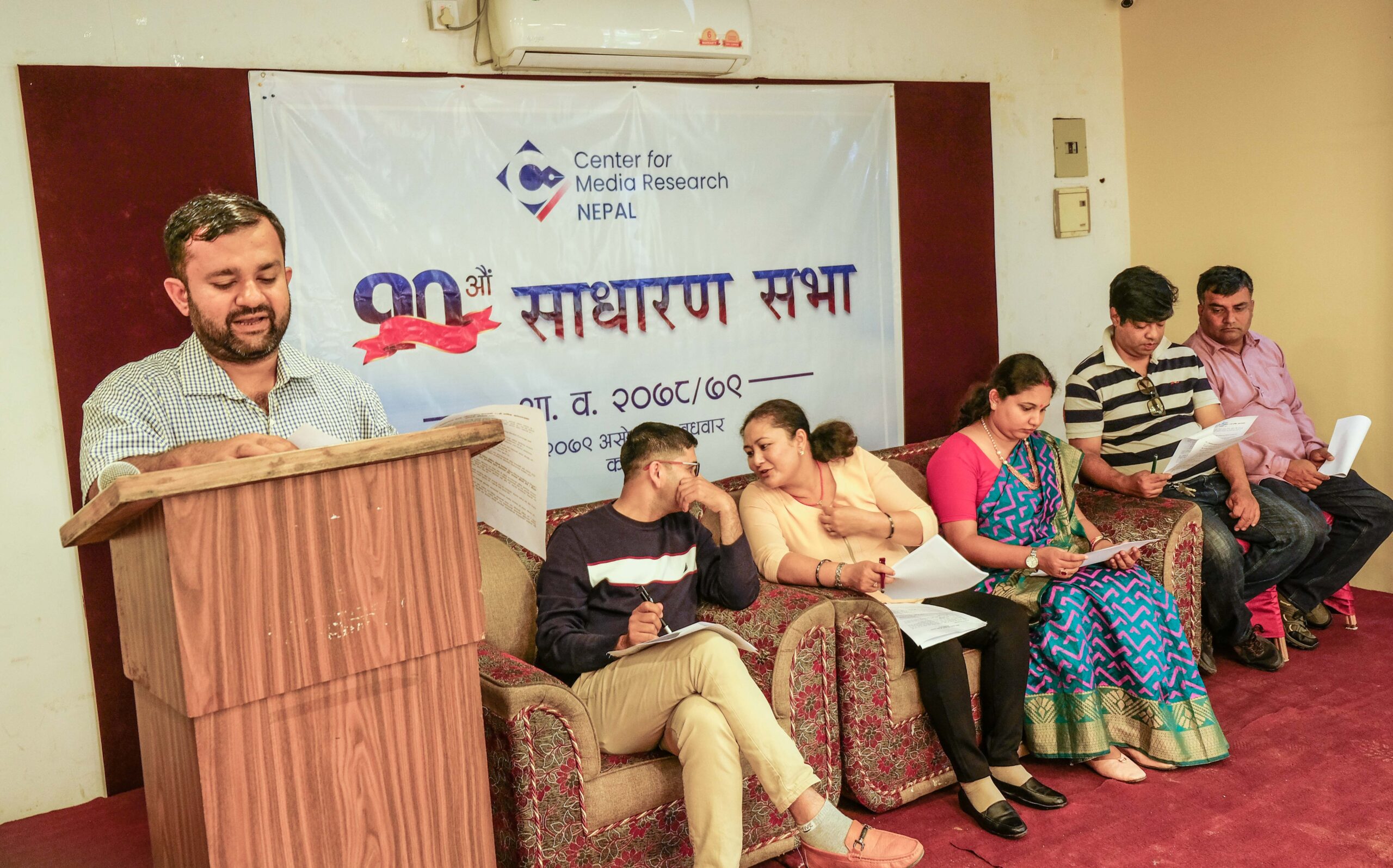
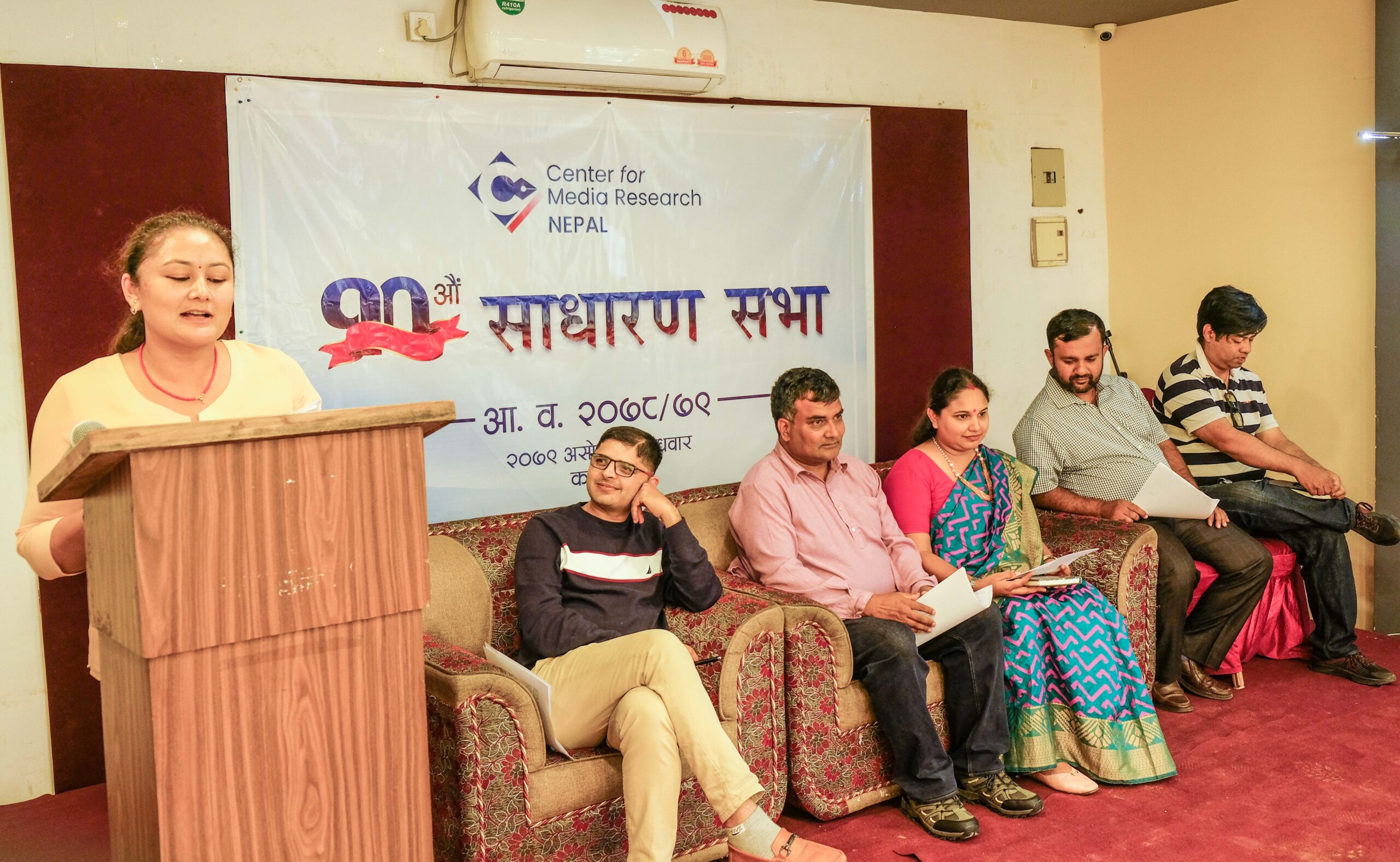
The Center for Media Research- Nepal held its 10th Annual General Meeting (AGM) on October 12, 2022 in Kathmandu.

Executive Committee Secretary Nabin Khatiwada presented a report on activities conducted by CMR-Nepal in the fiscal year 2078-79.

Khatiwada said that CMR-Nepal’s activities have made a mark in the field of media research and countering misinformation and disinformation over the years.

CMR-Nepal has launched six new projects over the past one year and some projects are in final phase of accomplishment.

The major projects include countering misinformation and disinformation, media and civic space policy dialogue and evidence-based policy advocacy and election media monitoring.

The AGM also passed the proposal to establish an autonomous Journalism Academy. The academy will be launched in 2022 with support from Interlink Academy of Germany. It will focus on providing digital skills training to mid-career journalists; and preparing trainers.

The AGM also appointed CMR-Nepal member Ujjwal Acharya as the project head and Managing Director of the Journalism Academy.

Treasurer Shruti Shrestha Duwa presented the financial and audit report of the fiscal year 2078/79.

Both the documents of Secretary and Treasurer were passed unanimously in the AGM.

The AGM also passed the updated Financial and Administrative Guidelines; and various policies of the organizations.

Chairperson Trishna Acharya thanked all members for their support and concluded the AGM.

Social Audit 2022 for Increased Transparency & Accountability

CMR-Nepal organized the “Social Audit 2022” with its partner organizations and stakeholders for increased transparency and accountability.

CMR-Nepal presented it’s reports on activities and finances; and invited all participants for an open discussion. The program was participated by representatives from different media rights organizations, journalists, independent researchers, academia, grant making organizations and CMR members.

Presenting his assessment, Associate Professor at Central Department of Mass Communication and Journalism, Tribhuvan University Dr. Kundan Aryal said that CMR-Nepal has evolved as an ‘autonomous, research and policy oriented think tank’ in Nepal.

Dr. Aryal said that the CMR-Nepal emerged as an ‘active and effective organization of young media researchers.’ He observed that the approaches such as capacity building, workshops with journalists and stakeholders has continued to support Nepali mass media to “escalate the overall professional performance by providing the results of research on various aspects & checking the facts in regular basis.”

Pabitra Raut of the FES-Nepal provided her assessment of CMR-Nepal’s activities and recommended the need to highlight voluntary contribution of the organization in the social audit process.

Nabin Silwal of partner organization Taneri Chaso, who also attended the mobile journalism training organized by CMR-Nepal, said that training had supported in his work and built a nexus in the future to collaborate with the organization.

Chairperson of CMR-Nepal Trishna Acharya said that the institution has continued to abide by its mission to become think thank initiating the journey from media research to aspiring to develop an autonomous Journalism Academy.

“Every society has normative values; the social audit is a means to fulfill our responsibility through transparency and accountability to the society” she added.

In the program, Executive Director Tilak Pathak informed about the project activities conducted by CMR in the earlier year.

Admin and Finance Manager Bikash Karki informed about the finance and budget allocated to organize the project activities.

Social Auditor Raghunath Lamichhane conducted the program.

Discussion on News Reporting Trends and Issues

A discussion program was organized with journalists to bring into perspective recent trends in news reporting and identification of news reporting issues on corruption in Nepal.

Editor of Onlinekhabar.com Shiva Gaunle and editor of Ekagaj.com Hari Bahadur Thapa outlined the issues and trends in reporting in news media in Nepal.

Speaking at the occasion, Gaunle said that the status of online news journalism focused on hard news, where better soft and follow-up had be considered as an in-depth news reporting.

He also identified the weakness of the Nepali journalists. Gaunle said that journalists did not have ‘grip’ over the subject matter and there were challenges among the journalists to separate ‘information’ and ‘news.’

He was of the view that the identifying the news peg and the news angle was utmost important to report news stories, which can be done through regular monitoring of the journalists.

Thapa highlighted the underlying issues in corruption news reporting and emphasized the prerequisites of ‘facts’ in corruption story writing. He pointed out journalists remain away from plain statements that cannot be verified by facts.

At the program, journalists from different news media shared their experiences in corruption news reporting.

Digital strategy and social media use of political parties during local election

During elections periods Nepal’s political parties gave top priority to use of digital tools such as social media to reach voters, a couple of studies commissioned by the Center for Media Research- Nepal during local elections 2022 conclude.

The studies identified that political parties used the digital media platform as an informal means to communicate about their activities, without formal party decision.

Presenting a paper on the ‘Political Parties Digital Tools Use and Strategies’, researcher Rabi Raj Baral said that political parties lacked ‘proper management and transparency’ while using the digital media. He pointed out that the use of digital tools was still in an early stages and lacked human resources by the political parties.

In his study, Baral found that Facebook was most used medium to reach out the audience by the political parties, but there were also considerable use of Twitter, YouTube, and TikTok. He said that the use of social media by the political parties started during the Constituent Assembly Election of 2008. Since then the use of digital media by the political parties remained imperative during the all the election campaigns.

He also outlined the threat of political parties’ use of such medium to misinform the public, as political parties were also engaged in developing cyber troops. He said that there was a tendency of political parties using the messaging apps to use in election campaign and to counter the information that are against the political parties.

Assistant Professor at Tribhuvan University and former head of Department of Mass Communication and Journalism at Ratna Rajya Campus, Rishikesh Dahal presented his study on political parties’ use of social media platforms during local election of 2022.

Dahal pointed out that people’s agenda was less prioritized in the content, whereas focused on only election issues. During the election time frame, Dahal identified the CPN-UML strategy was to develop a its party chairperson as a central figure, which was followed by Maoist-Center strategy to iconize its chairperson Prachanda as central figure, but for Nepali Congress- the strategy was to prioritize election manifesto agenda to reach out to the people through social media.

Dahal identified the trend towards of using TikTok through unorganized groups to support the party agenda in the election, and trend towards using such media to attack other political parties.

Representatives from political parties’ information department, journalists, researchers and other stakeholders shared their feedback to the studies.