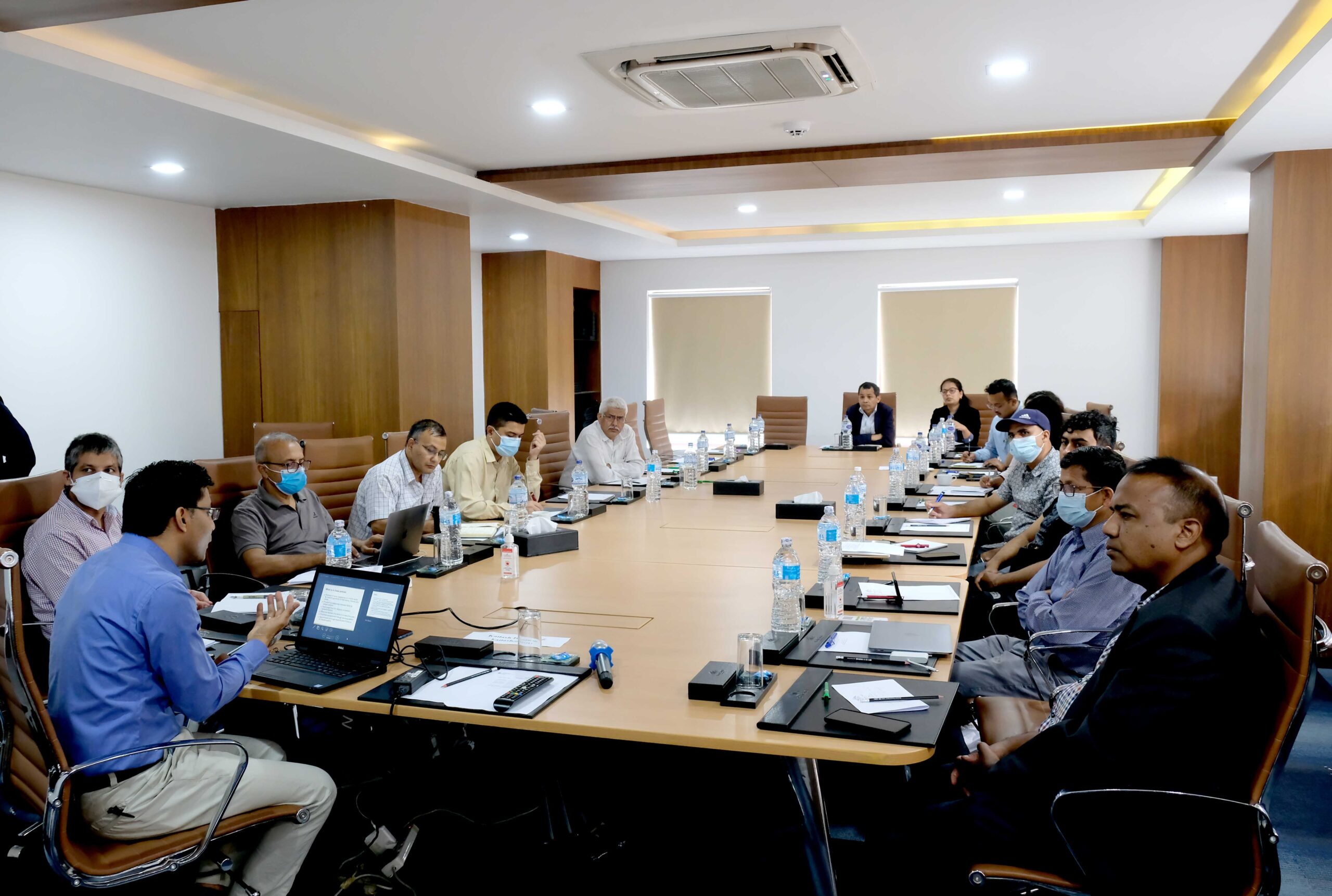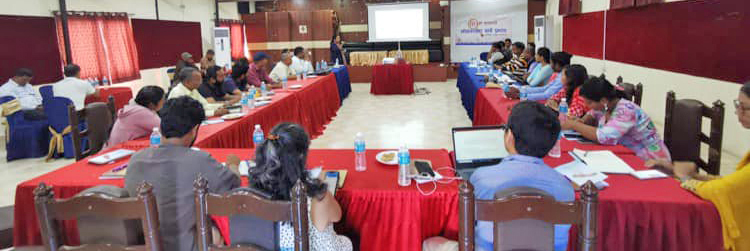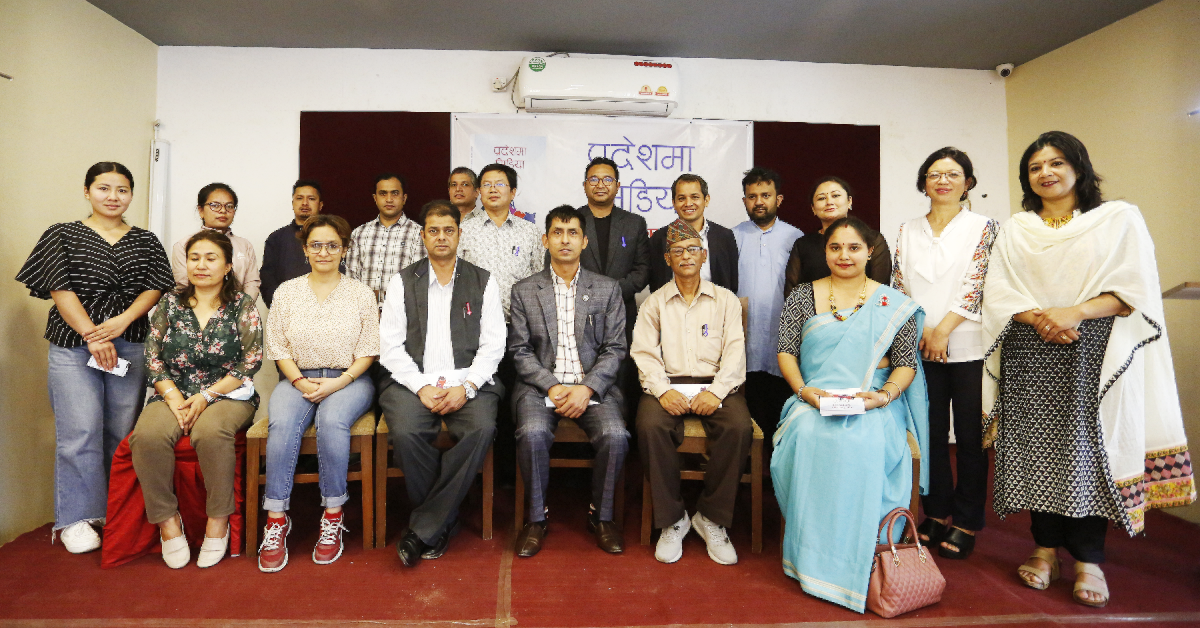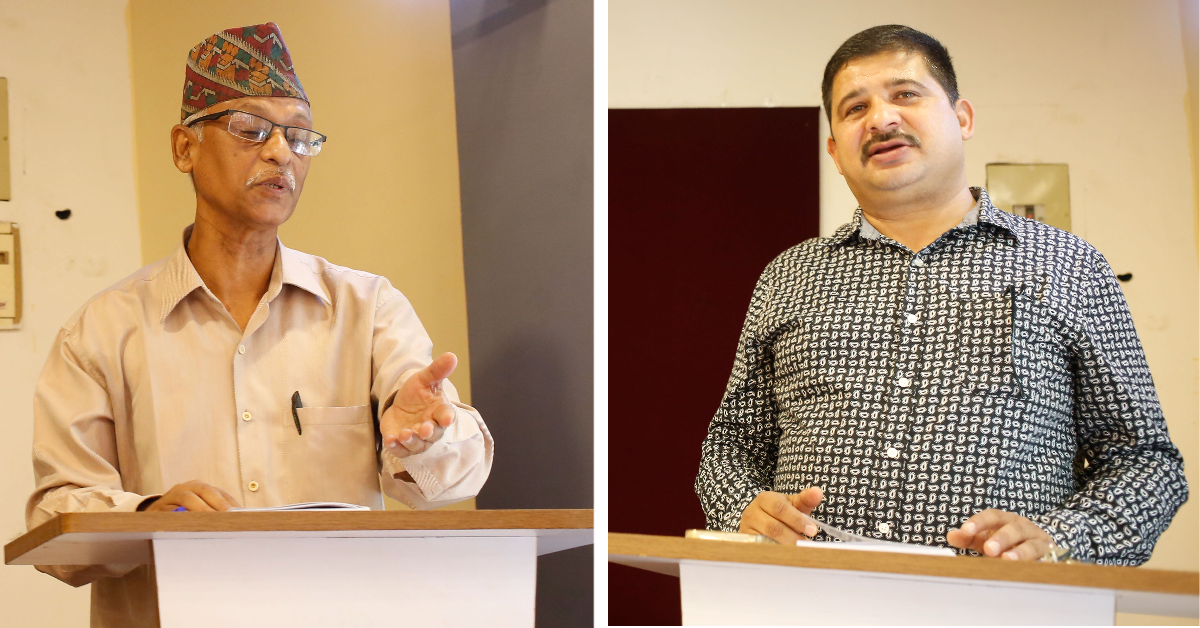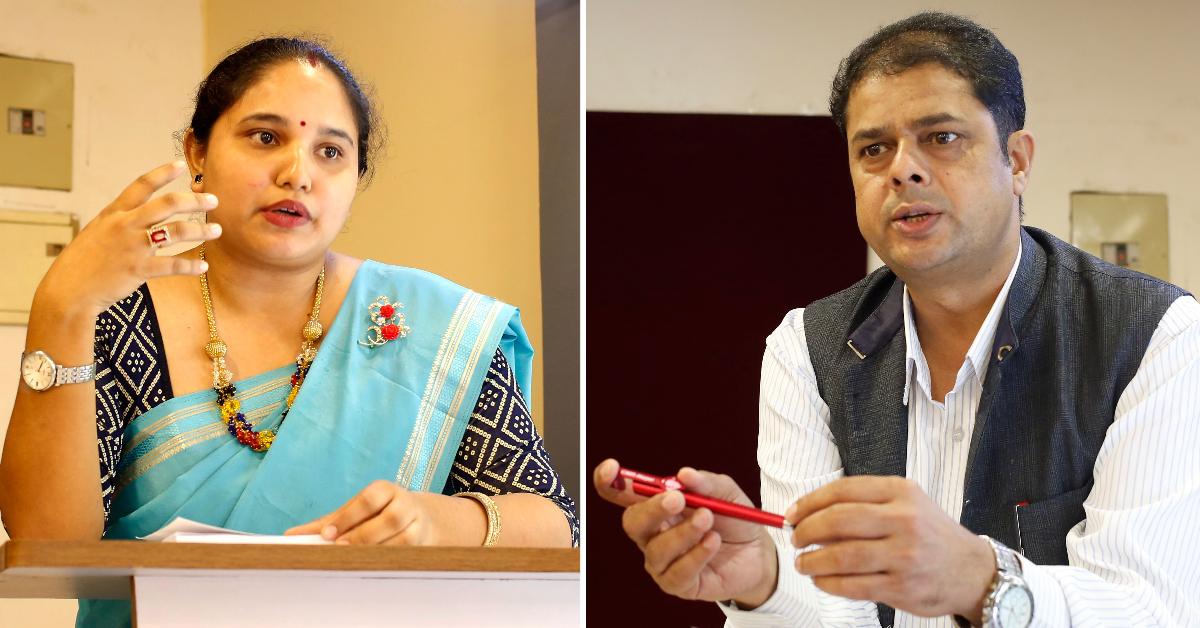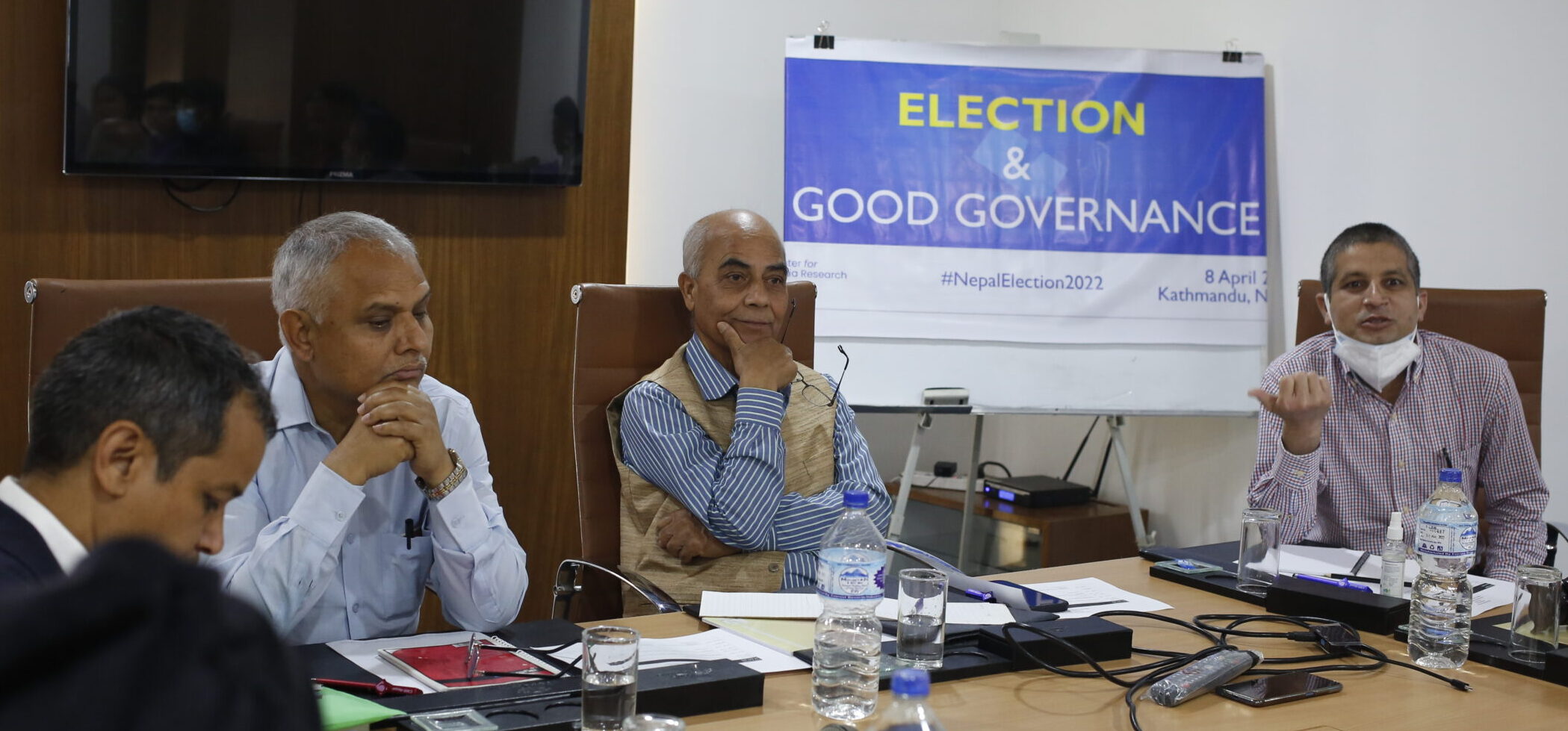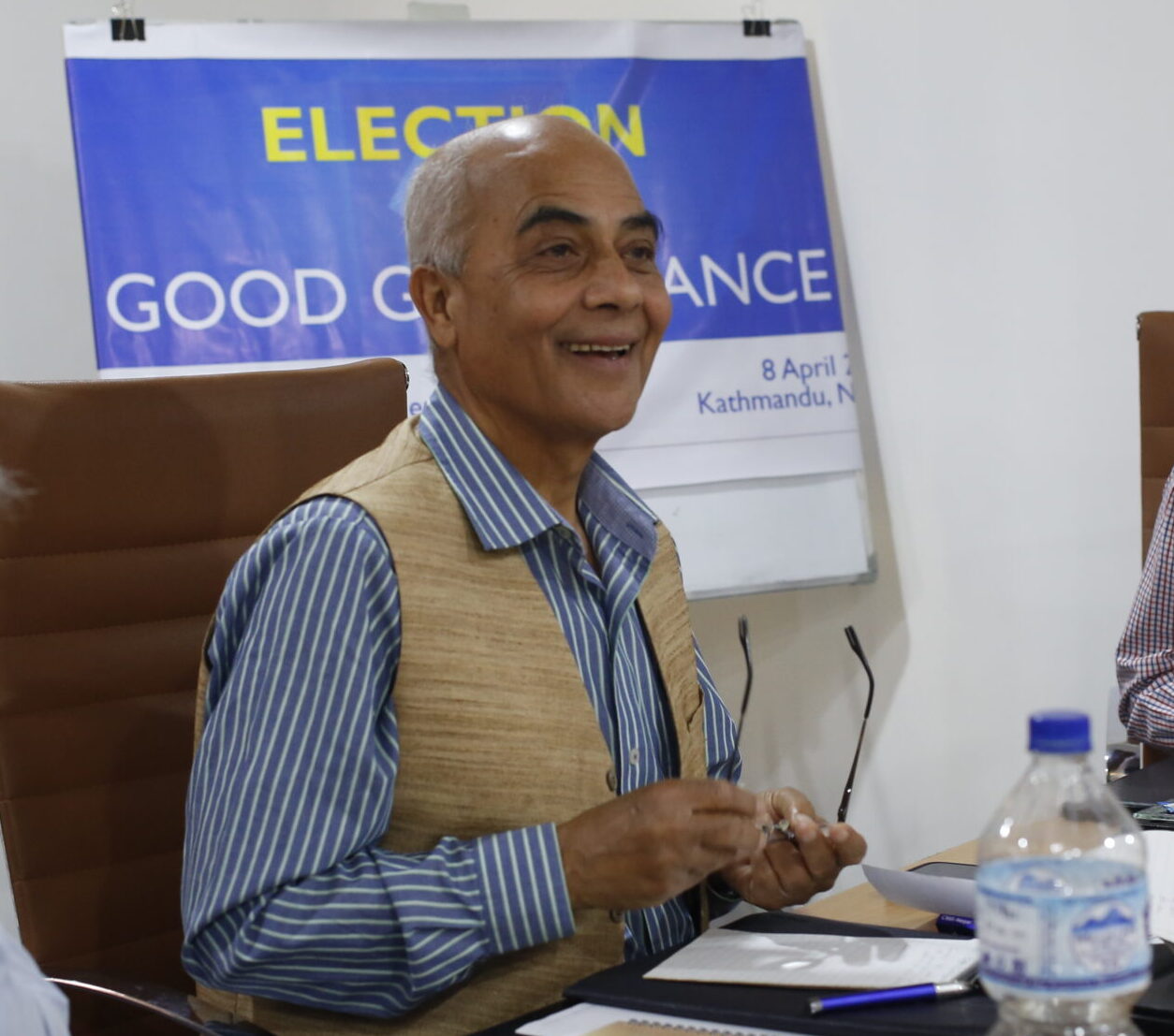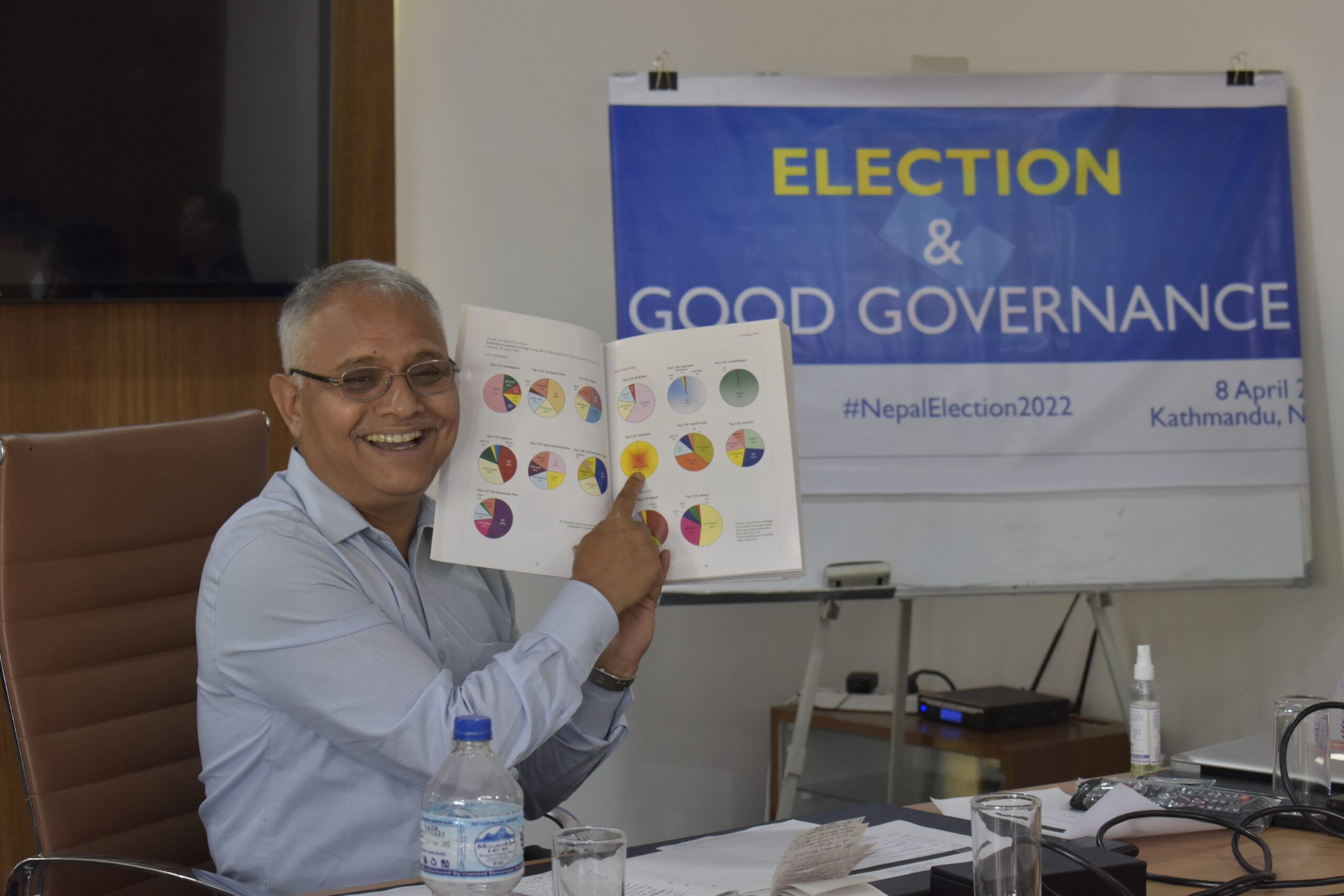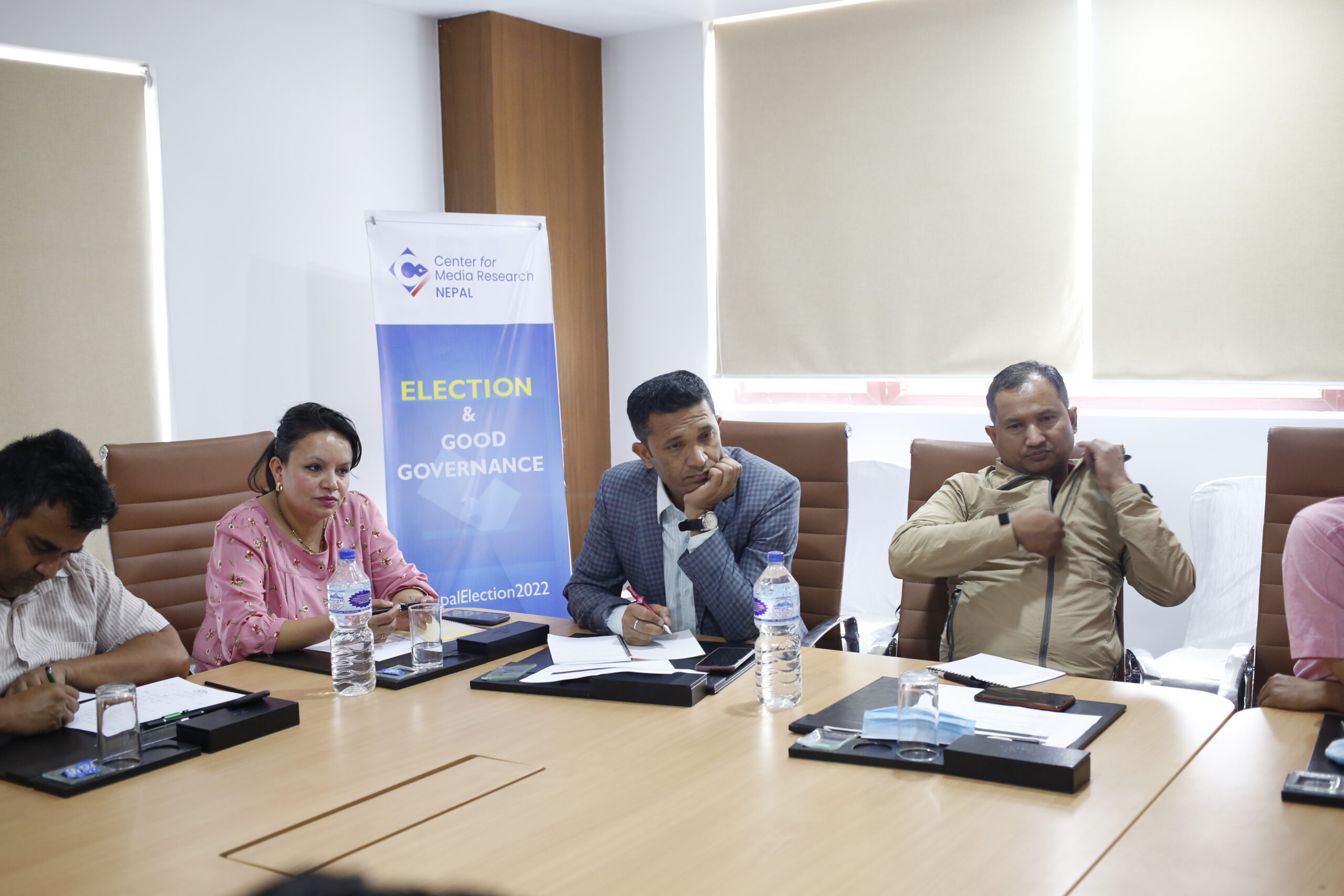
Data of media monitoring during local elections 2022 presented

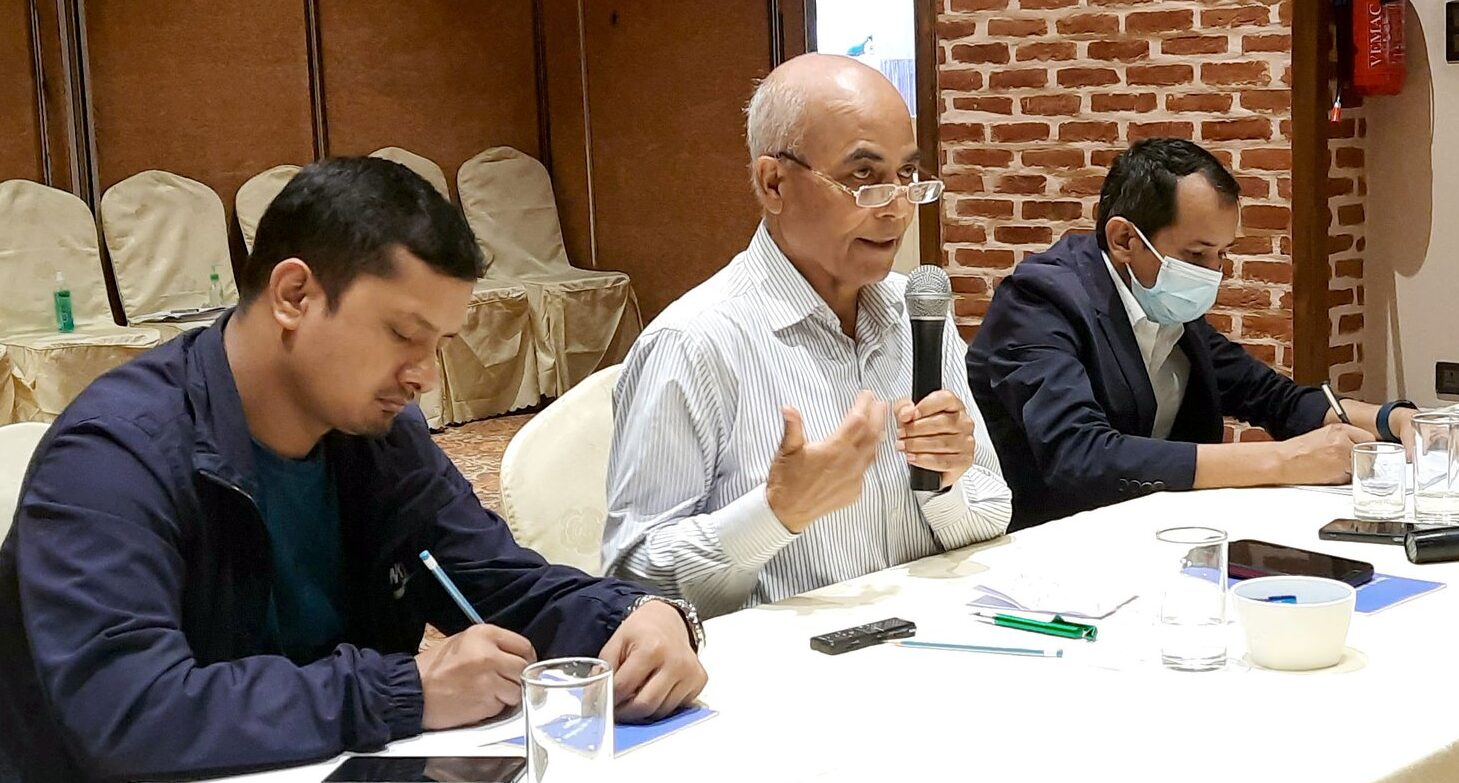
Former Chief Election Commissioner, Bhojraj Pokharel emphasized on the need to fix the dates of the federal, province and local level elections in the law.

“If  the date of  the election is fixed in the law, it will be easier for the candidates to be selected early and for the Election Commission to prepare,” he said speaking at discussion program organized by the Center for Media Research-Nepal to present the monitoring reports of the local elections 2022.

Pokharel highlighted the necessity to fix the election date; the announcement of elections results to difficulties for the parties to fix their candidates and pressures the Election Commission for preparation.

Pokharel also pointed out the tendency of ignoring the code of conduct and ceiling of the election expenses while more budget is spent on the security than on election management. Therefore, it was necessary for the political parties to be accountable. Mentioning that code of conduct and fines are different things; he said that a separate court could be formed to look at the punishment and fines for the election-related crimes.
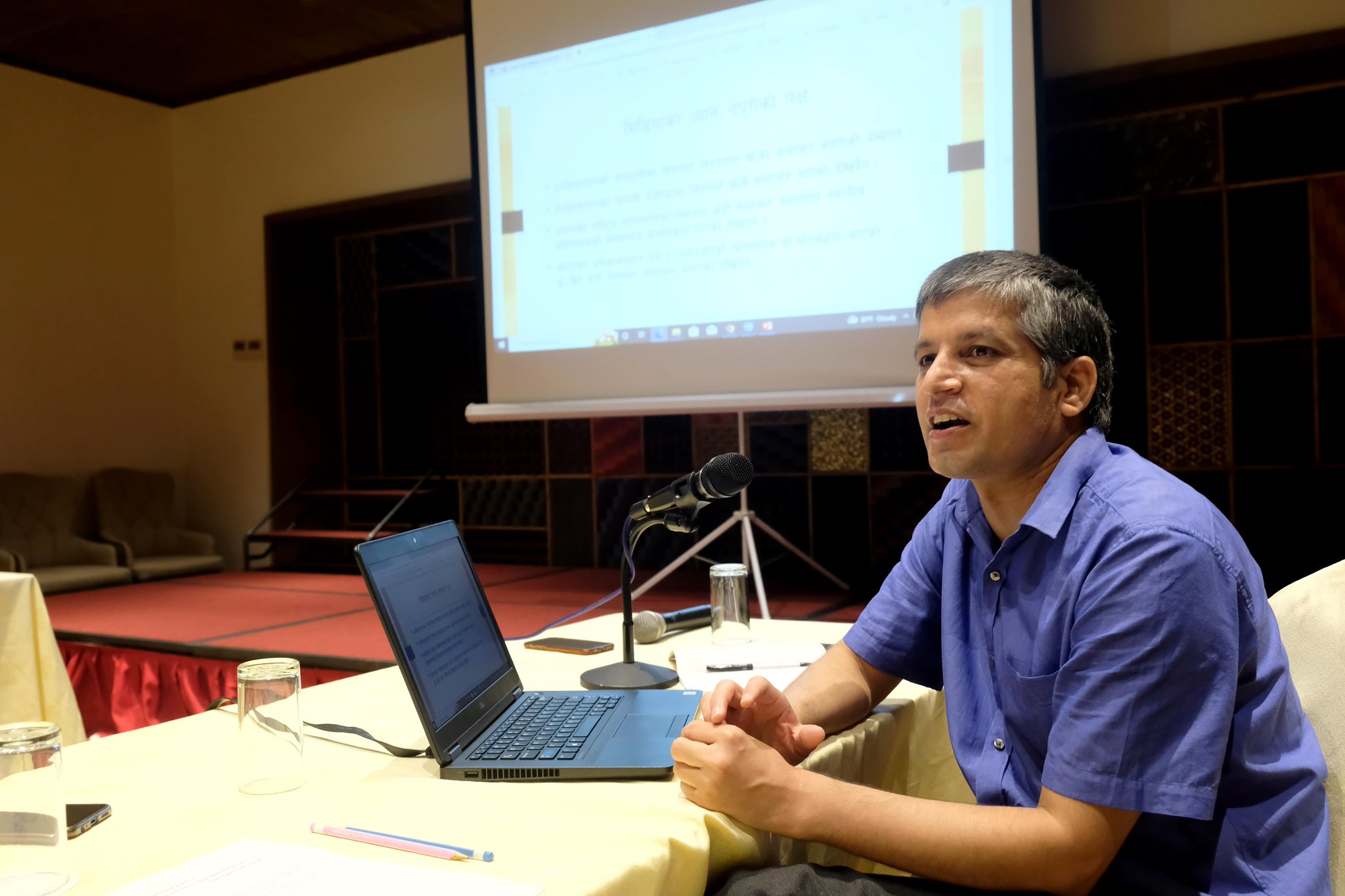
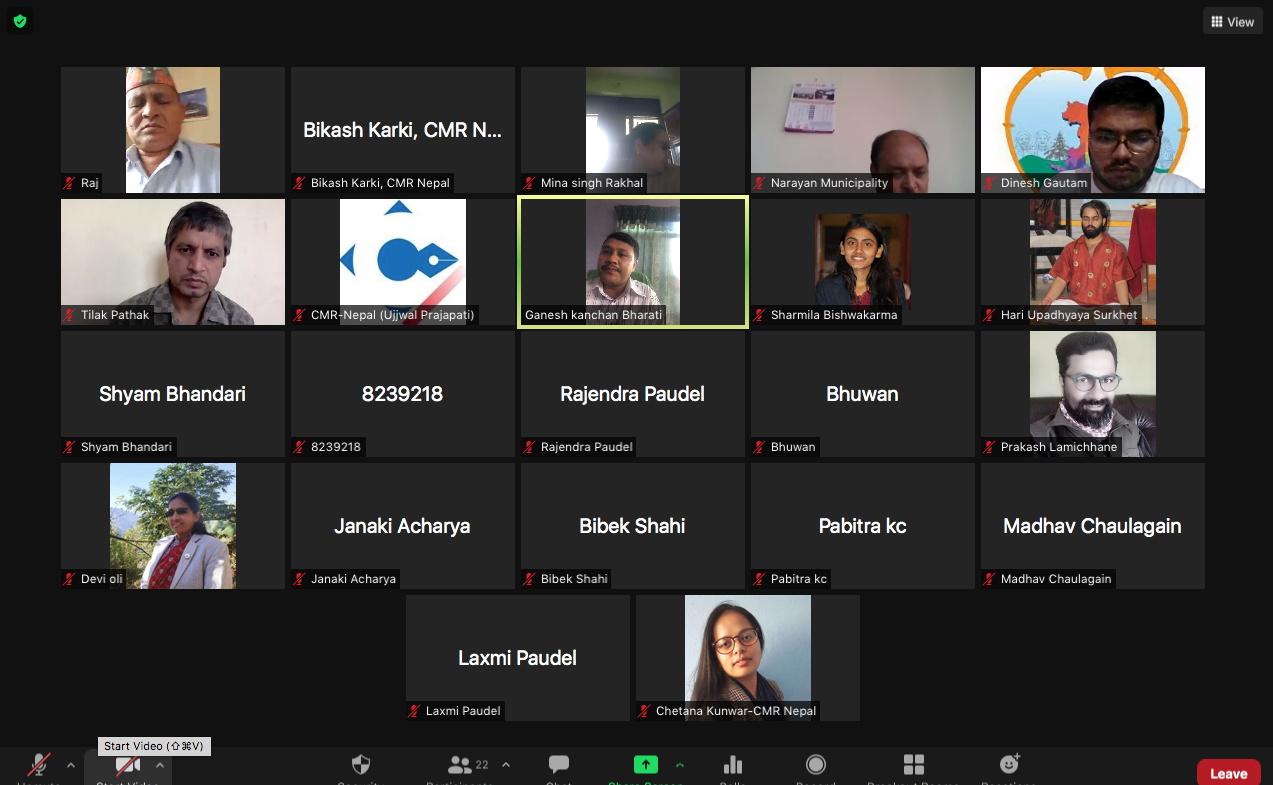
Presenting a media monitoring report during local election, researcher Tilak Pathak said that media prioritized issues were alliance and problems between the political parties, selection of candidates, representation of women candidates, violation of the code of conduct, expectations of the people at the local level, expenses and violence incurred in the election, and the delays in the counting of votes.

He criticized the role of media of paying less attention to bring out the background of the candidates; brining into understanding the agenda of election manifestos in relation to people’s expectations, and election expenses.
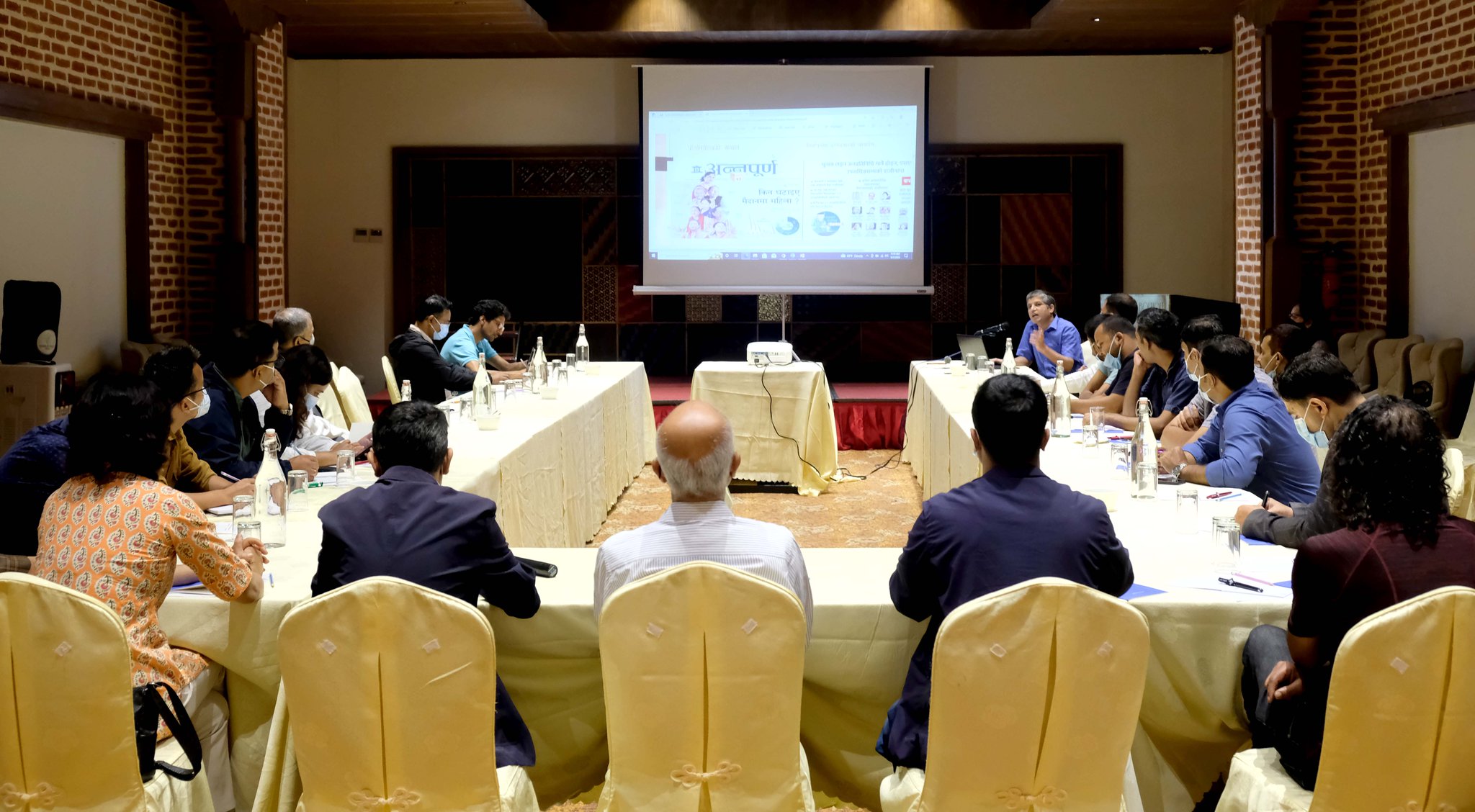
Ishwari  Bhattarai,  a  political  analyst  at  the  Democracy  Research  Center  Nepal,  presented observation report of local elections 2022. He informed  that  there  were  problems  in  the  local  level  elections  in  terms  of   staff   mobilization,  voter  ID cards, compliance with the code of  conduct,  voter  education,  voter  confidentiality, polling stations, and election expenses. He said that there are challenges in the implementation of  rules related to election  supervision,  non-uniformity,  setting  the  number  for  supervision,  and  not  allowing  the  supervisor  to  supervise many polling stations.

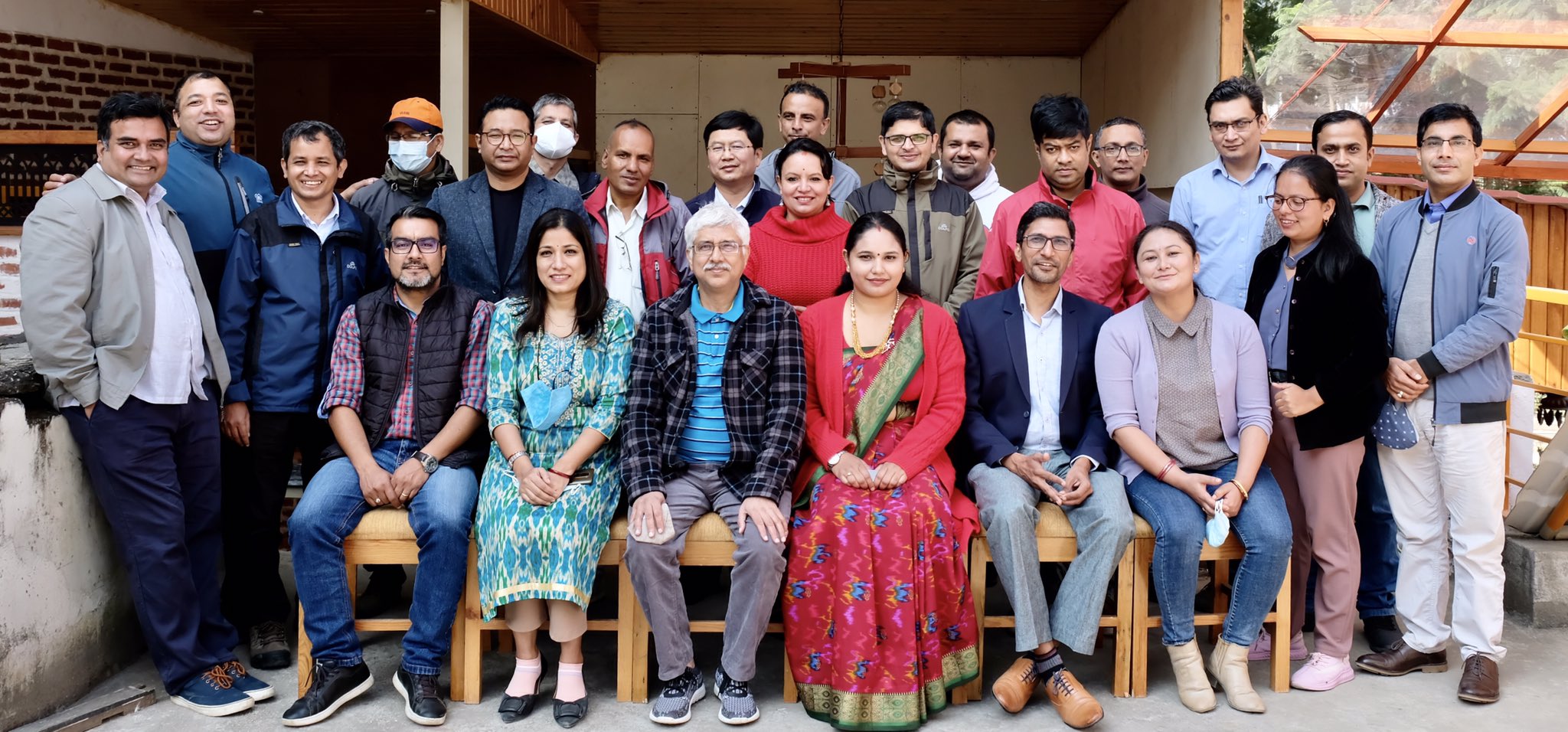
The program was participated by representatives from Election Observer groups, CSO activists, and journalists.
Discussion on Situating Civic Space in Nepal

Center for Media Research- Nepal (CMR-Nepal) organized a discussion program on July 29 2022 titled “Situating Civic Space in Nepal.” In the program, two papers were presented.

Media expert Bhuwan K.C. presented the paper on ‘Media Space in Nepal’ that highlighted the formulation of media laws in making in the province and federal level. He pointed out that the media laws hold the provisions that curtailed freedom of press in the country.

He was also of the view that the continuous advocacy against the restrictive provisions in the laws has resulted towards decriminalization of journalist in the laws passed by media in the province.

Presenting the paper ‘Situating CSO’s in Nepal,’ by Assistant Professor of Tribhuvan University Lekhanath Pandey, analyzed the trends towards restricting CSOs in the draft policies introduced by the government.

Reflecting on the draft laws, Pandey outlined the trends towards strong vigilance over NGOs burdensome reporting procedural requirements and I and increased restriction on scope to access funds.

Participants in the discussion also pointed out the overall trend of national, provincial and local government towards closing of the civic space. They were also of the view that continuous advocacy and lobby was necessary to act against such restrictive provisions.

Former President of NGO Federation Nepal shared his experience dealing with the government agency, where they were successful to draft the new bill to improve CSO laws but changes in the government affected in the finalization of the law. He pointed out the gaps of federal and provincial level CSOs and raised the concern over operational problems where the government agencies have asked the CSOs to be registered under Value Added Tax (VAT).

Vice President of Federation of Nepali Journalist (FNJ) pointed out the intention of the state to curb the press, where FNJ has continued to advocate to make the laws media friendly. He also outlined that in many instances the state did not consult the stakeholders in drafting the law.

Media Expert Binod Bhattarai suggested filing a public litigation in the court and challenging the laws and bringing out the legal interpretation to improve press laws. “If it is not done the government will continue to bring the same restrictive laws in the future,” he emphasized.

Roundtables on ‘Misinformation & Its Impact on Democracy’ held in 7 provinces

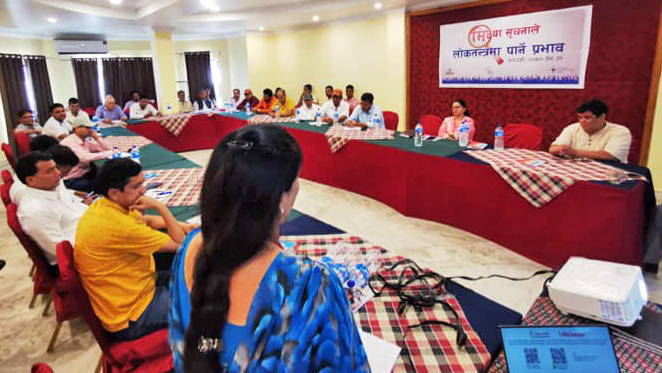
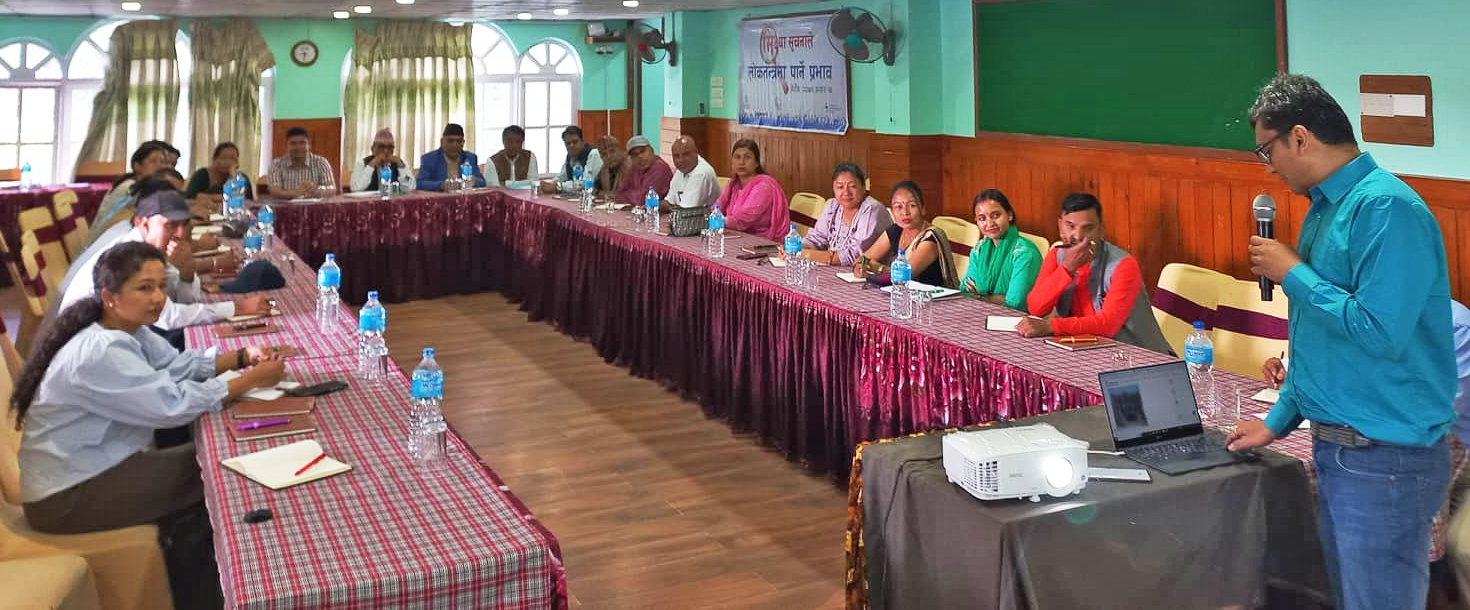
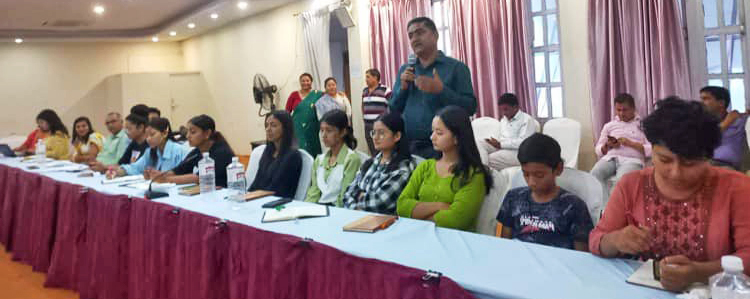
CMR-Nepal with support from the International Republican Insitute (IRI) Nepal organized provincial roundtables on ‘Misinformation and Its Impact on Democracy’ in all 7 provinces of Nepal in June 2022.

Nepal had held Local Level Elections on May 13, 2022 during which CMR-Nepal monitored the misinformation on social media and media through it’s regular monitoring system of Nepal Fact Check and also with seven provincial monitors for a month leading to the election date. The objectives of the roundtables were to sensitize stakeholders on misinformation, share monitoring report, share misinformation experience, and discuss on mitigation strategies.

A total of 266 people, 27.5% of them females, representating government (11.7%), parliament (9.4%), civil society (34.6%), and media (44.4%) participated in the roundtables held in Butwal, Pokhara, Surkhet, Dhangadi, Janakpur, Biratnagar and Hetauda from June 11 to 30.

CMR-Nepal’s Tilak Pathak, Bhuwan KC and Umesh Shrestha were resource people during the roundtables that included sessions on introduction to misinformation, its impact on democracy, preliminary report presentation on provincial misinformation and media monitoring during local elections, and ways to counter misinformation.

In the discussions, the representatives from different political parties in the provinces were of the view that misinformation had weakened the pillars of democracy. They said politicians were mostly targeted during the election, and misleading information is abundant in the press and social media.

Even the provincial ministers expressed their concern about misinformation. They pointed out the tendency to spread disinformation in a planned manner to oppose or to favour. The participants were of the view that democracy could only be strengthened if the information integrity is maintained.

Some politicians said that if the media can give information/news to the public in full compliance with the journalist code of conduct and political personalities exchange information in a self-disciplined manner, there will be no need to make a law on control of false information.

Civil society activists were of the opinion that the misinformation was spread by elite groups and high profiles. And general people receive such information in a distorted form. They emphasized the need to take action against those involved in dissemination of disinformation and launch a campaign on media literacy.

Participant journalists were of the opinion that social media posed a significant threat to misinformation. They pointed out that the general people could not differentiate between the information they received from news-media and social media.

Journalists working in the province also pointed out the problem of receiving directives to cover news stories from the central office based on misinformation through social media. They even outline some of the underlying issues in journalism where journalists are guided by the crowd and viral information. The participants in the discussion series were of the common understanding that media literacy could be a means to tackle misinformation.

It emerged that misinformation is already experienced and/or conceived as a big problem at the provincial levels. The participants shared personal experiences with misinformation and generally stressed on the need of action to mitigate misinformation.

There is high level of interest in understanding misinformation among stakeholders as the participants, including concerned ministers as well as MPs and others stressed need to take misinformation orientation further down to the grassroot levels.

Based on suggestions during the roundtables and observations from resource persons, CMR-Nepal identified following action for future:

  1. Take misinformation orientation to stakeholders (especially government, policymakers, media, and journalists) as well as citizens (especially youth and vulnerable population).
  2. Development and wide distribution of resource materials on misinformation.
  3. Programs on media and information literary (MIL) for the public.
  4. Continuous misinformation monitoring at national, provincial and local levels.
  5. Fact-checking initiatives to become wider and reach more population.
  6. Support provincial government to formulate policies to mitigate misinformation.

New book on media in province launched

The Center for Media Research- Nepal launched Pradesh Ma Media (प्रदेशमा मिडिया or Media in Province) in a program organized in Kathmandu on May 2 marking the World Press Freedom Day 2022.

The book provides information about the status and situation of media in seven provinces of Nepal. The data book is based on the secondary sources data from different government and non- government institutions.

The book states that there are 3,120 online news media and 4,789 newspapers enlisted in Press Council Nepal, 880 FM radios and 164 TV stations registered in Department of Information and Communication and 13,077 journalists member of Federation of Nepali Journalists.

Speaking at the event, Professor P Kharel said that integrated data was necessary to understand the state of media at the federal, provincial, and local levels. He said that it was helpful to examine the multilateral dimension of media.

President of the Federation of Nepali Journalists (FNJ) Bipul Pokhrel said that data was most important aspect to identify problems and develop plans and strategy. Pokhrel said that the data book could help in the development of policies at the different governing bodies of Nepal.

Pokhrel also outlined the trend where journalists at the local levels have failed to develop critical media content. He accused the local government’s engagement in silencing the press in exchange of advertising.

Jhabindra Bhusal, Chief Administrative Officer of Press Council Nepal said uniformity in the data provided by different government agencies is lacking and emphasized for the need to develop integrated data system. He said that works on digitization of media related data was necessary as Press Council still continues to work in manual system.

Speaking at the occasion, Rewati Sapkota, Communication Registrar of Bagmati Province said that steps has to be taken by the federal government for overall data management and digitization of media related data in Nepal. Sapkota emphasized the need of coordination between the different provinces and federal government with respect to developing an integrated data system.

Chairperson of CMR-Nepal, Trishna Acharya said that book was published with the objective of providing information on integrated data and current status of media in Nepal.

The book at available for free at CMR-Nepal (hard-copy) and in our Research and Publication section to download (soft-copy).

Interaction on election and media

The Center for Media Research- Nepal organized an interaction program on Election and Good Governance with journalists reporting on upcoming elections in Kathmandu.

The resource people stressed on fact-based reporting and evidence0based coverage raising issues such as campaign finance, expenditure, security management and political polarization.

Former Chief Election Commissioner Bhojraj Pokharel shared his experiences conducting Constituent Assembly elections in Nepal and monitoring elections around the world. He emphasized that disinformation is a major challenge and media should report on facts and evidence.

Senior journalist and former chairperson of Press Council Nepal Rajendra Dahal pointed out that election reporting is not just reporting on events and activities in the election. He opined that reporter needed to be vigilant towards understanding the political scenario.

Researcher Tilak Pathak presented findings of his study on campaign finance in Nepal. He showed how the election in Nepal was getting expensive over the years. He said that the election cost had increased to three folds in every election since 2008.

Journalists from 20 print and online media attended the interaction program.

Discussion on Situating Media Space in Province 1

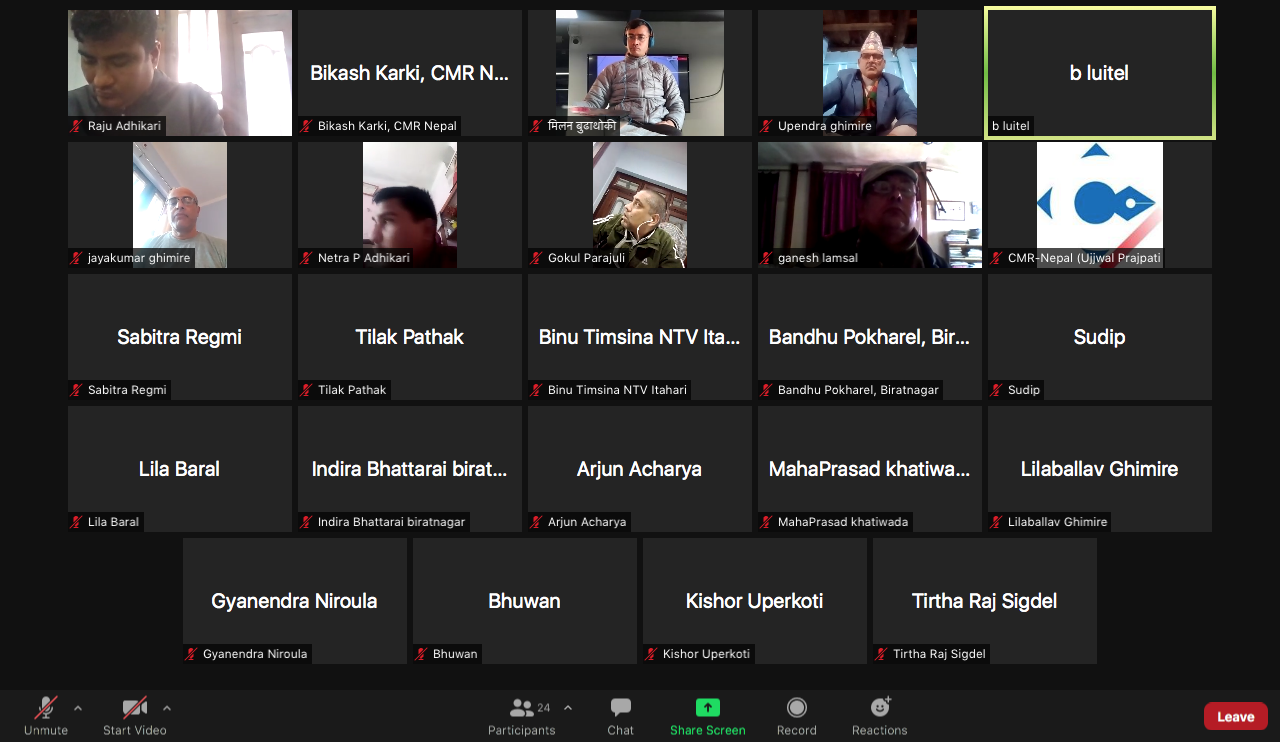
The Center for Media Research- Nepal (CMR-Nepal) organized a virtual discussion program entitled “Situating Media Space in Province 1” on February 19, 2022.

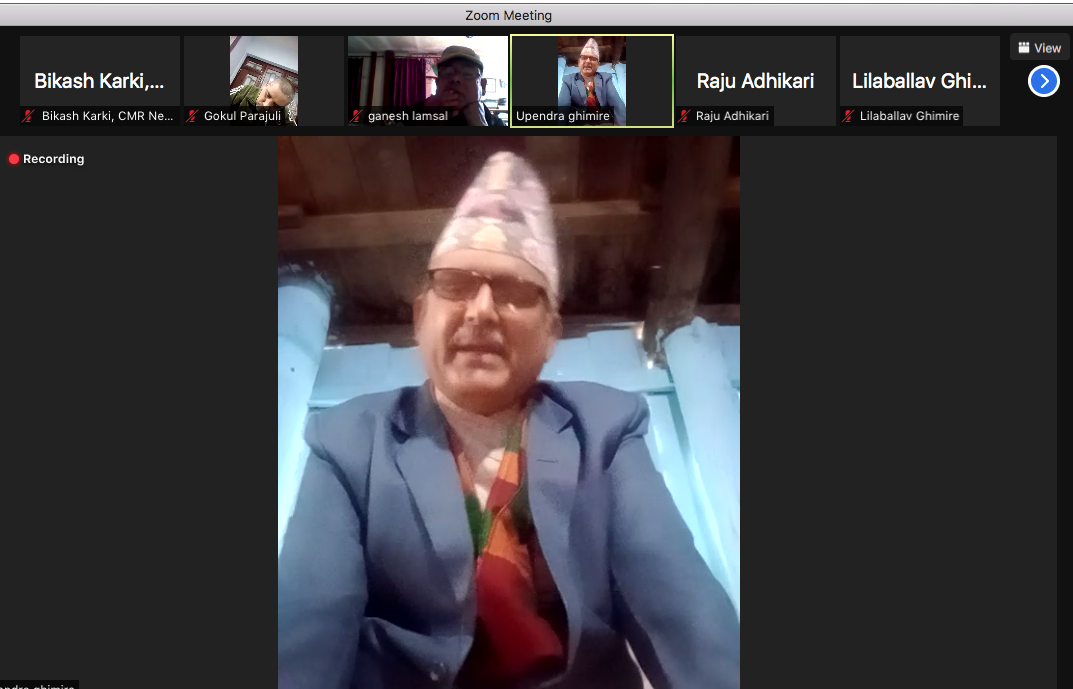
Presenting the paper, journalist Raju Adhikari said that the provisions in the law to regulate media in the Province 1 needs to be amended. He said that the law that was formulated holds the provisions that shrink civic space, media and individual freedom.

Adhikari pointed out the province still lack mechanism to regulate all forms of media. The province only has a law to regulate broadcast media.

Speaking at the occasion Minister of Transport Management and Communication Upendra Prasad Ghimire said that amendment to such restrictive provisions can be done based on the discussion and advices of the media stakeholders.

Minister Ghimire said that any laws that are related to the media sector will only be formed taking in confidence of the stakeholder. He agreed that the laws formed without the participation of the stakeholder cannot be put into practice and the role of media stakeholder to form media related laws are unabated.

He also pointed out that the latest regulation on Media Academy was scrapped because the Act had not been passed. Minister Ghimire said that a committee has been formed to develop a draft law on Media Academy.

Province 1 Parliament Member Sabitra Regmi identified obstacles in putting some laws in practice, so amendments to such laws have also been made. Likewise Parliament Member Sushma Shrestha stressed that the role of stakeholder and expert is highly important and will continue to take their advice in making of the law.

Secretary of Minister of Transport Management and Communication Jaya Kumar Ghimire said that the making of laws in the communication sector falls under concurrent rights, so until and unless the laws are made at the Federal level, making laws at the province level will be difficult. He highlighted the role of stakeholder in making of the laws.

Participants in the program emphasized the role of stakeholders and making of the laws in the province. The program was participated by journalists, media academics and parliamentarians.

Discussion on cartoon’s role in good governance

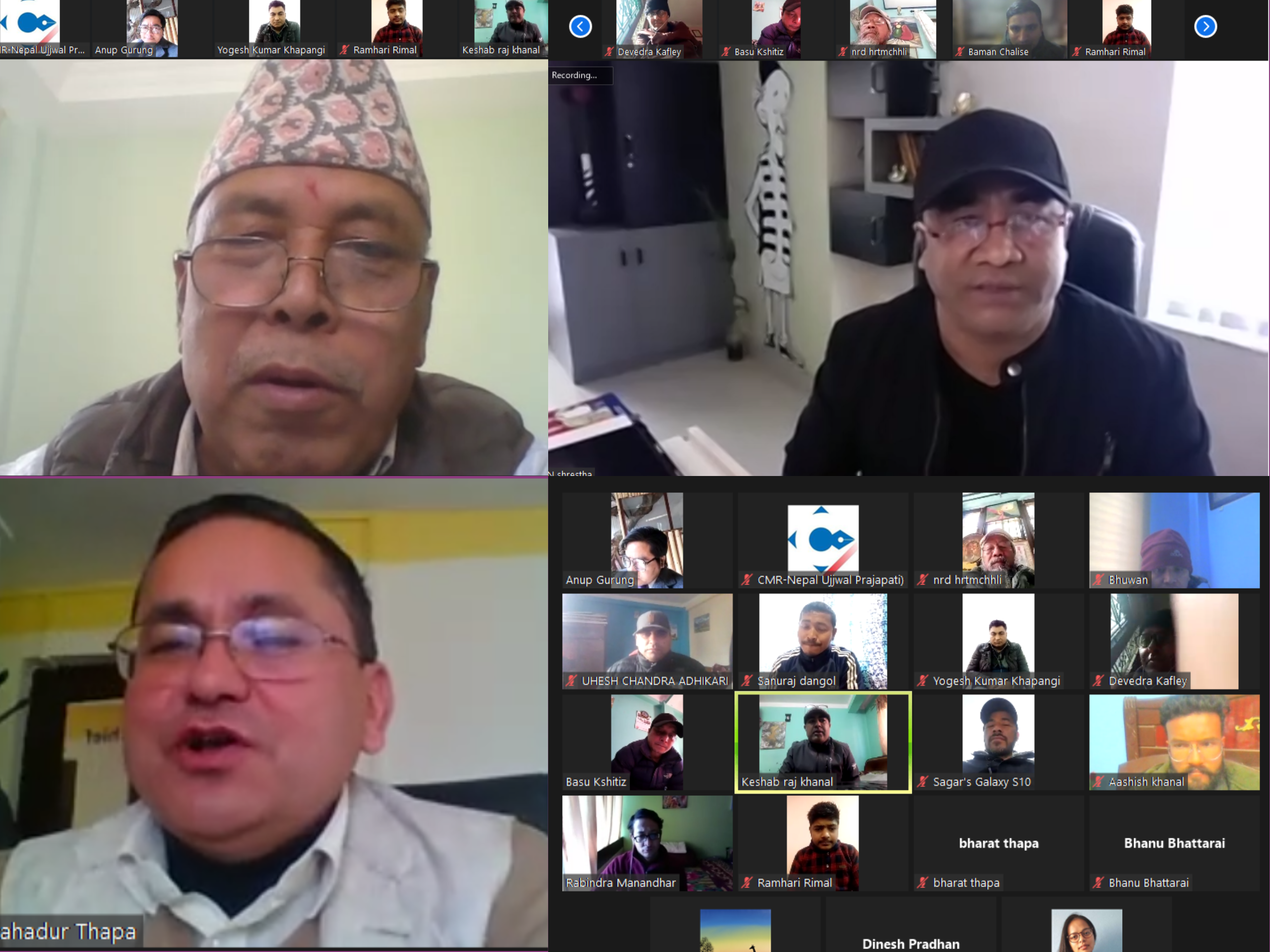
The Center for Media Research- Nepal (CMR-Nepal) and Cartoonists’ Club – Nepal (CCN) jointly organized a virtual discussion on the role of cartoons to enhance good governance and accountability in Nepal.

In the discussion, former President of Transparency International Nepal, Bharat Bahadur Thapa provided the background on how corruption and good governance are perceived in the context of Nepal.

Thapa highlighted the role of media, especially the cartoons that could further bring the issue into public discourse. He pointed out that the rise in corruption was the result of loopholes in the laws, over-politicization, unstable government, and desire for more in the government institutions.

Presenting a paper on ‘Understanding Corruption: Cartoons in Nepali Media’, Hari Bahadur Thapa, author of books on corruption and editor of eKagaj.com, said that the role of the state was vital to stop corruption but emphasized that those in power need to be accountable and not protect the corrupts.

Journalist Thapa pointed out that cartoons are a powerful medium in Nepal’s context on the issues on corruption and politics. The role of cartoonists to aware the general public on good governance and corruption is unabated, he added.

CCN President Basu Kshitiz emphasized that cartoons are an independent genre and that cartoons symbolically expose wrong tendencies.

Senior cartoonist Abin Shrestha said that the cartoonists have brought the policy and behavioral corruption into the public domain through cartoons and added that they are aware of the factual misrepresentation.

Trishna Acharya to lead CMR-Nepal

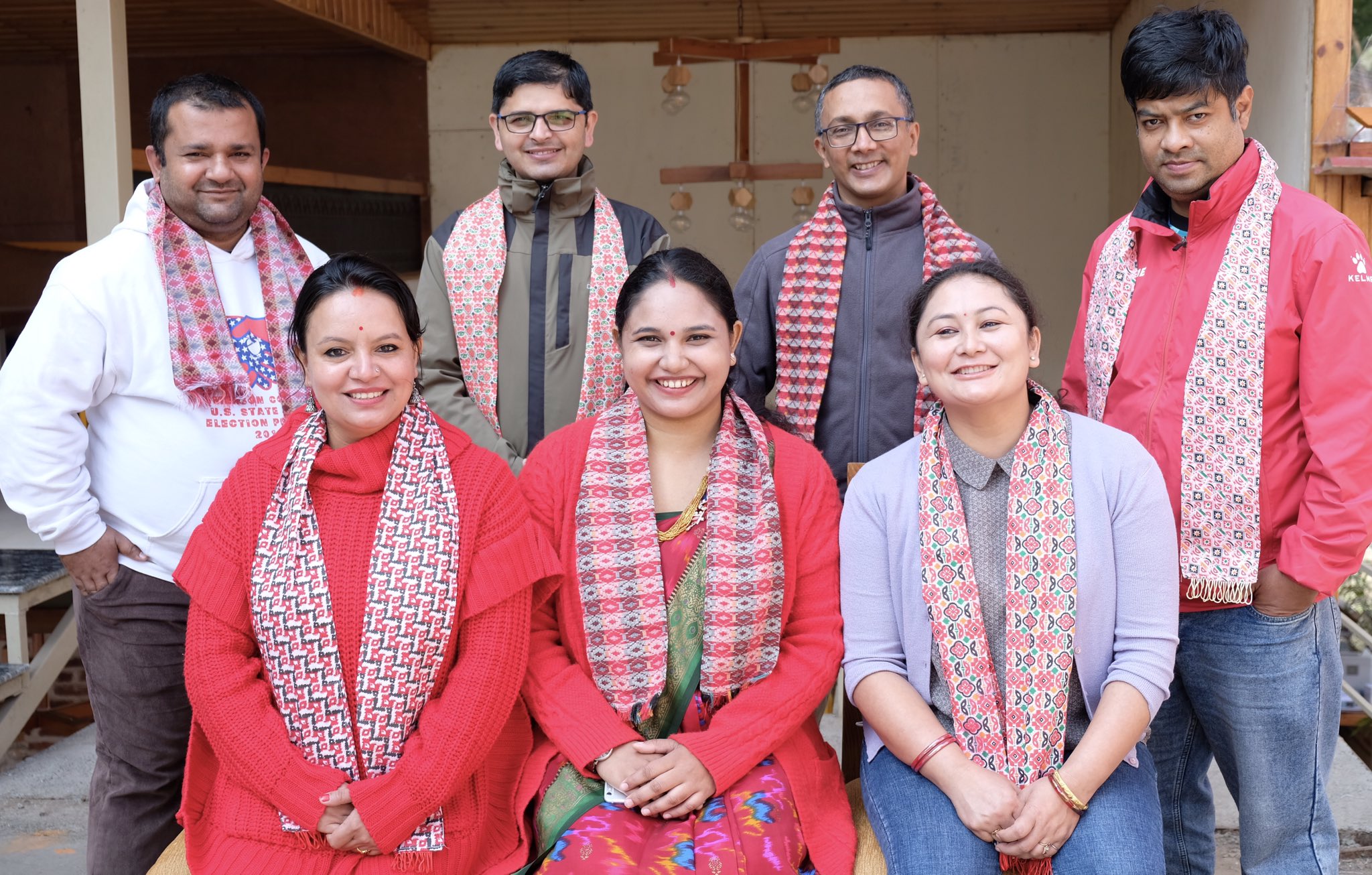
The Annual General Meeting of the Center for Media Research Nepal (CMR-Nepal) on October 31, 2021 unanimously elected the new executive committee with Ms. Trishna Acharya as the chairperson.

She is the first female chairperson of CMR-Nepal and will lead the organization for the next two years.

Ms. Acharya is academic teaching journalism and mass communication at Janata Multiple College in Itahari. Earlier, she was the head of the Journalism and Mass Communication Department at Dibya Bhumi Multiple College, Kathmandu.

Ms. Acharya takes over from Mr. Rishikesh Dahal.

The AGM also elected Mr. Deepak Aryal as vice-president, Mr. Navin Khatiwada as secretary, Ms. Shruti Shrestha as treasurer, Mr. Kanchan Adhikari, Mr. Himesh Ratna Bajracharya and Ms. Sunita Karki as Executive Committee members.

Earlier, the AGM also passed an organizational and activities report by Secretary Deepak Aryal and a financial report presented by acting treasurer Shruti Shrestha.

Speaking at the program, Associate Professor at Central Department of Journalism and Mass Communication at the Tribhuvan University Dr. Kundan Aryal said that the CMR-Nepal has played a crucial role in the development of media research tradition in Nepal.

Secretary of Federation of Nepali Journalists (FNJ) Pawan Acharya outlined the need to cooperate between different organizations for the betterment of journalism.

Executive Director of CMR-Nepal Tilak P. Pathak informed about the future projects and activities that are in pipeline. He said that CMR-Nepal would be focusing on need-based programs and activities amid the effects of the COVID-19 crisis and its impact on journalists.

The AGM was also attended by the founding chair and former executive director Ujjwal Acharya, former chairperson Bhuwan KC, the editor of Nari monthly Upasana Ghimire, journalism assistant professor Lekhanath Pandey, and members of CMR-Nepal.

Discussion Situating Media (Civic) Space in Sudurpachim Province

A virtual discussion program was organized by the Center for Media Research- Nepal on 20th September, 2021. The event was participated by Sudurpachim Province assembly members, government officials, CSO activists & experts, advocates, and journalists in the province.

Presenting the paper, Civil Society Activist, Manmohan Swar said the civil society in the province continue to face the challenges where media and civil society organizations have become a target by the proivince and local governments in the region. “Local level government are taking steps to shrink the space of civil society, where some local governments have taken steps to control CSOs by introducing new laws.”

He points out that major problem with the civic society is the perception towards such organization has continued to remain negative, which the government believes it to be used by foreign funded sources.  This attitude has continued to remain unabated over the years, analyzed Swar.

Swar was of the understanding that the law on FM radio introduced at the local level government is to establish FM stations by the local government.

Speaking at the occasion Himal Joshi province Chairperson of Federation of Nepali Journalists (FNJ) said that they are in discussion with the government officials and province assembly members- but still laws adopted are not in support of their needs. “We continued to raise voice against the curtailing of freedom of the press,” he added.

Journalist  Arjun Shah was of the opinion that there instances where local government have operated FM radio stations in the province. The hidden interest behind such practices is to create an agenda for their own interest rather than for public interest, said Shah. It is necessary to raise the voice against such practices, he added.

Other participants at the program pointed out the need to take steps that affect the civil society at large.

Discussion: Situating Civic Space in Bagmati Province

The Center for Media Research- Nepal (CMR-Nepal) organized a discussion program on 14th September, 2021. The virtual event was participated by Bagmati Province parliament members, Communication Registrar, government officials, CSO experts, advocates, NGO workers and journalists in the province.

Presenting the discussion paper, media expert Bhuwan K.C. highlighted the issues and concerns related to civic space in Bagmati province. He pointed the laws passed by the Province Assembly still contains provisions that are the constitutional provisions. The provisions of law to cancel the registration in the media related law could be a means to control the press needs to be amended.  K.C. highlighted the need to amend the provisions that criminalizes journalists just for writing news.

He pointed out that the Bagmati Province is amending the law limiting the power of Communication Registrar that could limit the financial and administrative rights. If this is done, the position of registrar will be ceremonial, it is necessary to rethink of such amendments that it being introduced.

He also highlighted the need to rethink about the NGO registration in all the levels of the government which could affect the civil society functioning. He informed that only 24 per cent of local government has made laws related to media out of 119 local government in the province.

Speaking at the program, Communication Registrar Rewati Sapkota informed that there are problems with the decentralization of power between province and federal government, has resulted to practical problem to run the media as license renew is done by province and equipment renew is done by federal government.

With respect to limit the power of press registrar in the province he was of the opinion, “If the power of registrar is limited, it is better not to recruit the Communication Registrar.”

Chairperson of Bagmati Province Affairs Committee,  Madhav Prasad Poudel said that their team had worked to establish Press Registrar who are out from the government employee. Poudel was of the view that they look into the amendments of the Act that try to limit the power of Communication Registrar. “If we limit the power of communication registrar, the basic thrust of the law will be useless,” he emphasized.  Pouel was positive towards amendment in the bill to decriminalize journalists.
Buddha Saran Lama of NGO Federation Bagmati Province outlined the need to scrap the 2034 NGO registration which is still functioning. He said that Bagmati Province made the laws on NGO registration and there are flaws in the laws that needs to be changed.

Rajendra Sharma, Central Member of NGO Federation said that there is less progress towards improving the situation of NGOs in the region , where he is not positive towards that the laws will be formulated that supports development of NGOs.

Deepak Niraula chief Whip of CPN- UML, emphasized the need of freedom of expression but there is limitation to freedom. He was of the view that those who over step the limitation needs to be controlled. He also criticized the media, where he has experienced media being misused in several instances, that was the reason why the provisions of punishment was required in the law.

Province Parliament Member Ramesh Poudel Bibeksheel Sajha Party said that the journalists should be proactive in reporting on parliamentary affairs and be vigilant towards laws that shrink civic space, which needs to be brought to public domain.

Advocate Rishi K.B of Makawanpur Nepal Bar said that it was necessary to formulate laws taking into consideration that the laws can be applied. He pointed out that it is necessary to regulate the communication sector where misuse of media in the present context has been found.

Pratap Bista former chair of Bagmati Province FNJ, pointed out that the political leaders have less understanding on the media issues. If there is problem in the political situation it creates problem in the journalism sector.  The problem of social media has hampered the media sector and further caused problem in understanding the journalism that comes in this media.

Sunil Khadka, FNJ Central member said discussing and participation with stakeholders is main weakness towards making of media related laws. The policies are introduced in such a way that it is very difficvutl to implement, he added. “We have suggested the Province government not to operate media on its own, but this fiscal year Rs. 10 crore was separated,” Khadka added.  He observed that the province government’s role to weaken the Communication Registrar in the province.

Civic Space and Laws in Karnali Province Discussed

The Center for Media Research- Nepal (CMR-Nepal) organized a discussion program entitled “Situating Civic Space in Karnali Province” on September 3, 2021.

Presenting the paper, journalist Dinesh Gautam highlighted the major problems in the media and civic space-related laws in the province. He pointed out the general tendency among the government to operate the media on its own, which is problematic.

The government separated Rs. 80 million to establish media in the province in the Annual Program budget of the fiscal year 2075/76. But the government has discontinued separating the fund to operate media over the years.

But the government still feels that it should operate media. Speaking at the virtual discussion Minister for Internal Affairs and Law, Sita Nepali said that operating media by the government will not be problematic. The minister was of the view that it will not have much problem even if the media is run by the government institution.

Minister Oli said that there had been continuous discussion with the stakeholders such as the Federation of Nepali Journalists (FNJ) and sought suggestions. She further added that amendments to the proposed Bill on Mass Communication Authority will be taken based on the discussion with the stakeholders.

Speaking at the occasion, Speaker of Karnali Province Assembly, Raj Bahadur Shahi said that it was necessary for the stakeholder to be constantly vigilant towards making of the law and public should provide suggestions to the representatives.

At the occasion, Devi Oli, Member of Social Development Committee of Karnali Province said that issue of Mass Communication Authority is important and needs to point out in points that is problematic in the Bill. She was of the view that role of government is to create an environment where media can operate and government should refrain from media operation of its own.

FNJ President of Karnali Province Deviram Devkota pointed out that the province and local government was focused on establishing and running the media on their own is wrong. Devkota said such activity will bypass the opposition voice and only bring the voice of those in power, serving as a propaganda tool. It is necessary to address the concerns of stakeholders while making of laws.

Sher Bahadur Thapa President of Parliament Affairs Journalist Society of the Province, said that it was necessary to take back the bill, it is necessary to bring out the changes in the bill presented in the parliament.

Other participants at the program emphasized on the role of stakeholders in making of the laws and development of laws that facilitates the civil society organization.

The program was participated by Speaker of the Province Assembly, law makers, mayors, journalist organizations, civil society leaders.