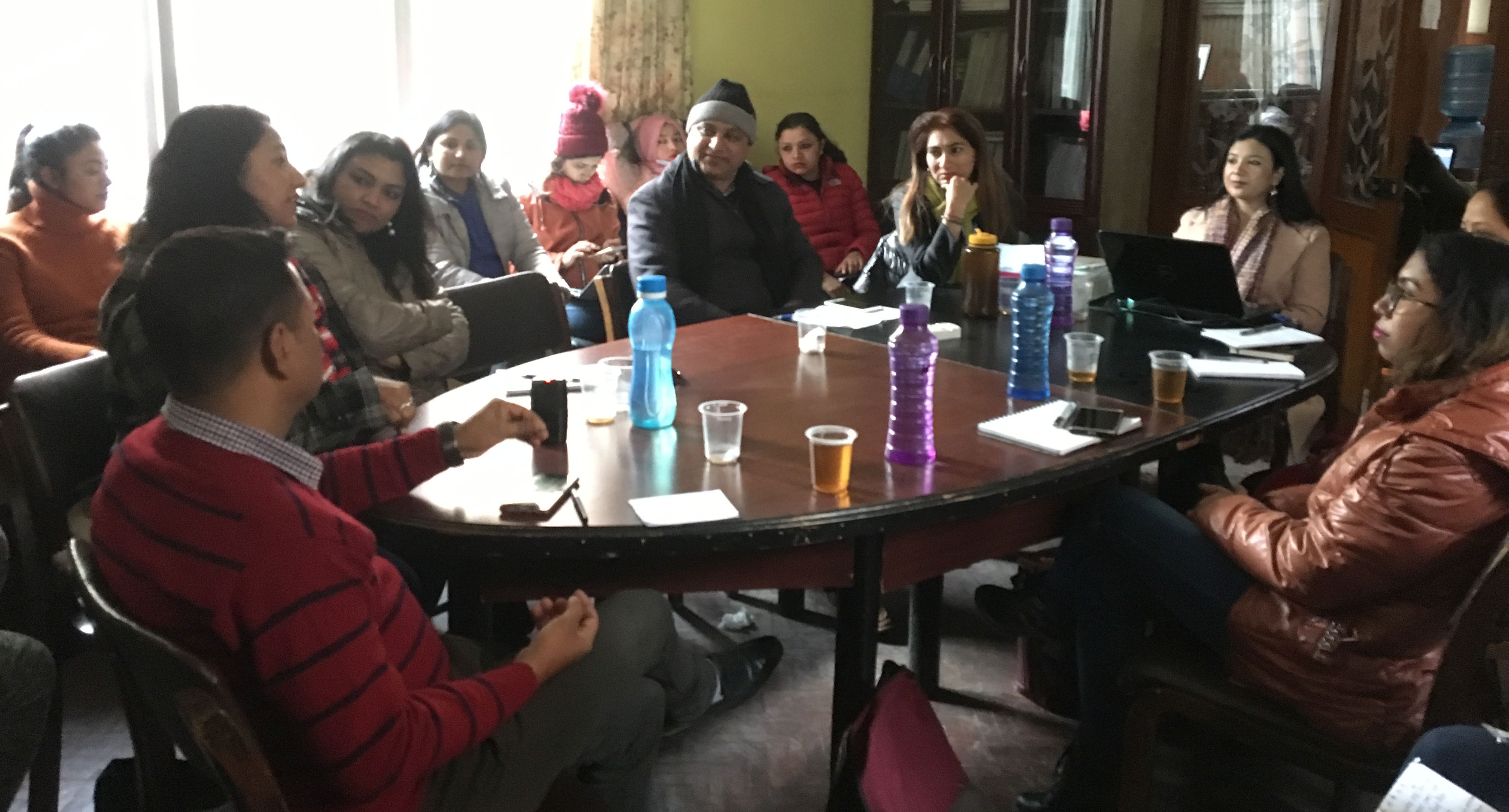
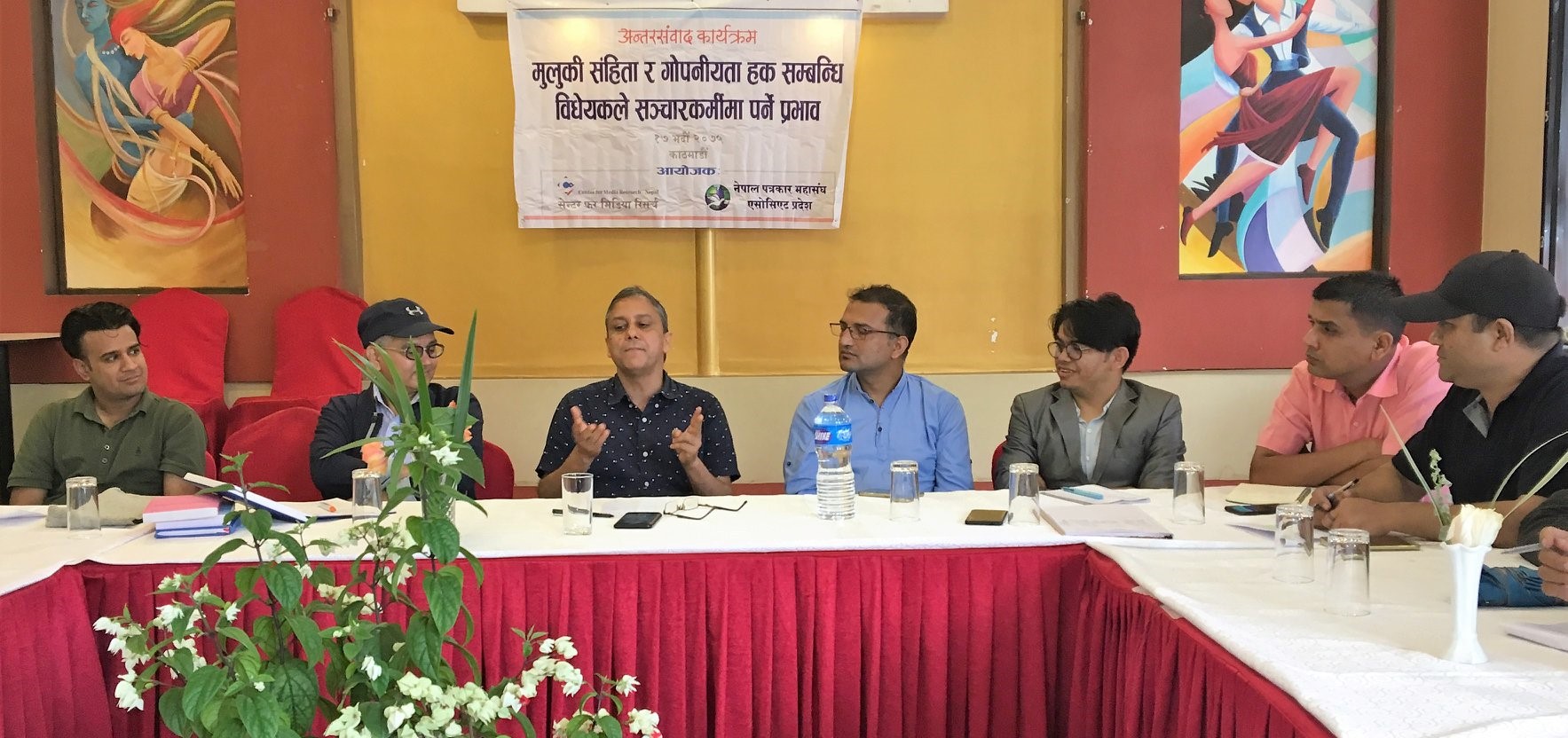
Center for Media Research -Nepal and Sancharika Samuha jointly organized an interaction program ‘on Januray 11, 2019 in Lalitpur to discuss gender issues on media laws.
CMR-Nepal has appointed Tilak Pathak as the new Executive Director. A meeting of Executive Committee appointed ‘Pathak to the position effective from January 5, 2019. The post was vacant after Ujjwal Acharya resigned from the post effective end of the year 2018.
CMR-Nepal’s founding member Pathak had served as the chairman from August 2013 to February 2017.
Pathak has a wide range of experience in journalism, academia, research and influential debate. He was also a fellow for National Endowment for Democracy (NED). He has co-authored Constituent Assembly Members on Federalism (2014) and co-edited Media Reader (2013), and has published several articles on media, political parties, constitution writing, and the peace process.
Pathak’s works on media and electroral financial transparency have been published in renowned journals such as Studies of Nepali History and Society,Nepal Journal for Contemporary Studies and Media Journal.
He has served as op-ed editor and analyst at Kantipur Daily presently serves as an Associate Editor of Nagarik Daily.
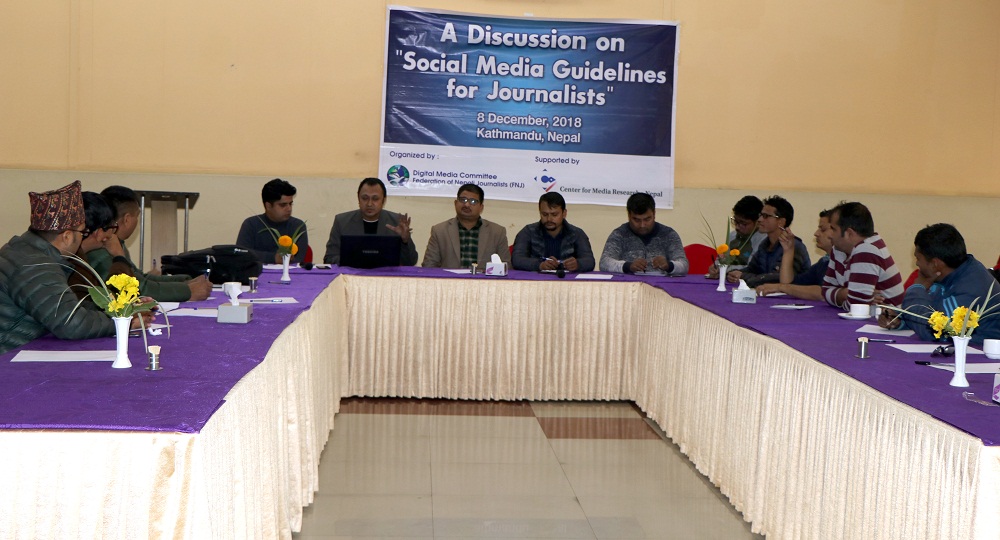
नेपाल पत्रकार महासंघ, डिजिटल मिडिया समितिको आयोजना र सेन्टर फर मिडिया रिसर्चको सहकार्यमा पत्रकारका लागि सामाजिक सञ्जाल प्रयोग संहिता निर्माण सम्बन्धी विषयमा अन्तरक्रिया कार्यक्रम आयोजना भएको छ ।
कार्यक्रममा बोल्दै महासंघका उपाध्यक्ष एवम् प्रमुख अतिथि विपुल पोखरेलले पत्रकारले सामाजिक सञ्जालमा राख्ने निजी विचारले पत्रकारले लेख्ने समाचारको विश्वासनीयतामा प्रभाव पार्ने भन्दै पत्रकारका लागि सामाजिक सञ्जाल प्रयोग सम्बन्धी संहिता आवश्यक रहेको बताउनु भयो । Continue reading “सामाजिक सञ्जाल प्रयोग संहिता सम्बन्धी अन्तरक्रिया सम्पन्न”→
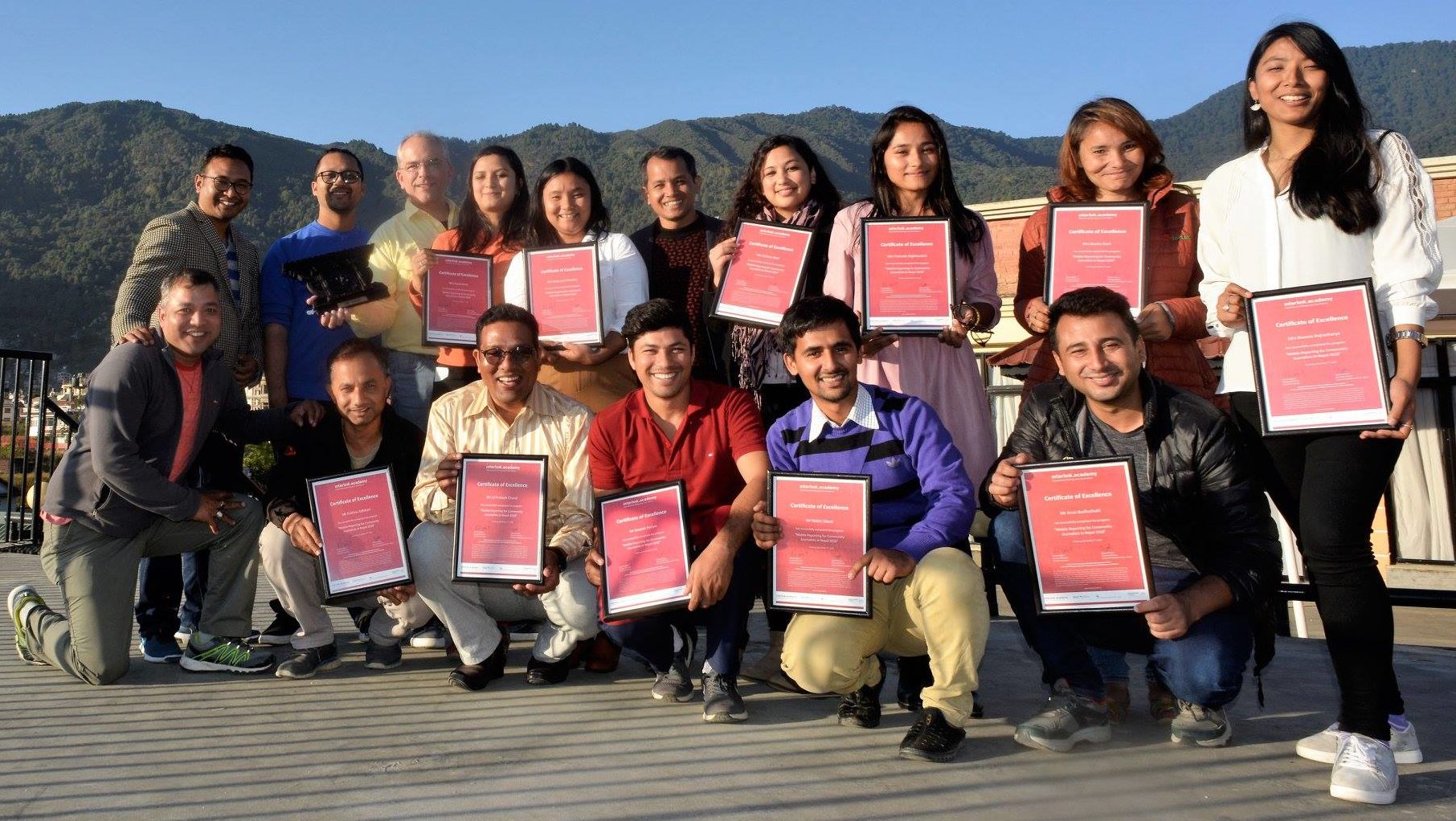
The Center for Media Research – Nepal, with support from the Interlink Academy, Germany, organized the first-ever “Mobile Reporting for Nepali Journalists” training to 12 Nepali journalists.
The program is a three-month blended-learning program for working journalists. Topics covered are mobile video and photojournalism. Participants are introduced into state-of-the-art techniques and storytelling formats for mobile reporting. The program consists of three stages: two attendance phases in Kathmandu, Nepal (August 28 to September 4 and October 30 to November 2), and an interjacent seven-week e-learning phase. Continue reading “Mobile Reporting for Nepali Journalists 2018 concludes”→
The Annual General Assembly of the Center for Media Research – Nepal (CMR-Nepal) on September 14, 2018 approved the strategic direction to evolve the organization into a media policy think tank.
CMR Nepal will now be an autonomous, research and policy-oriented, not-for-profit non-governmental evolving policy think tank registered with Nepal Government and based in Kathmandu, the capital of Nepal.
The AGM, as proposed by Chairman Bhuwan KC, adopted that CMR-Nepal’s main focus is to enhance the knowledge content of policy making and media development by conducting researches aimed at informing Nepal’s policy-makers and media stakeholders.
CMR-Nepal’s vision is ‘to enable all Nepali citizens to access accurate information without hindrance, engage in public discourse without fear, and media to become ethical and professional playing a positive role in the process of democratization; whereas the state facilities the media development and democratic principles on media’.
The mission of CMR-Nepal is ‘to advocate, support and lobby for freedom of opinion and expression on every platform, ethical and professional media, and press freedom’. The AGM also reiterated its strong belief in liberal democracy, human rights and media’s role in strengthening democracy.
Meanwhile, the AGM passed the activities and projects report by Secretary Umesh Shrestha and financial report by treasurer Bikash Karki.
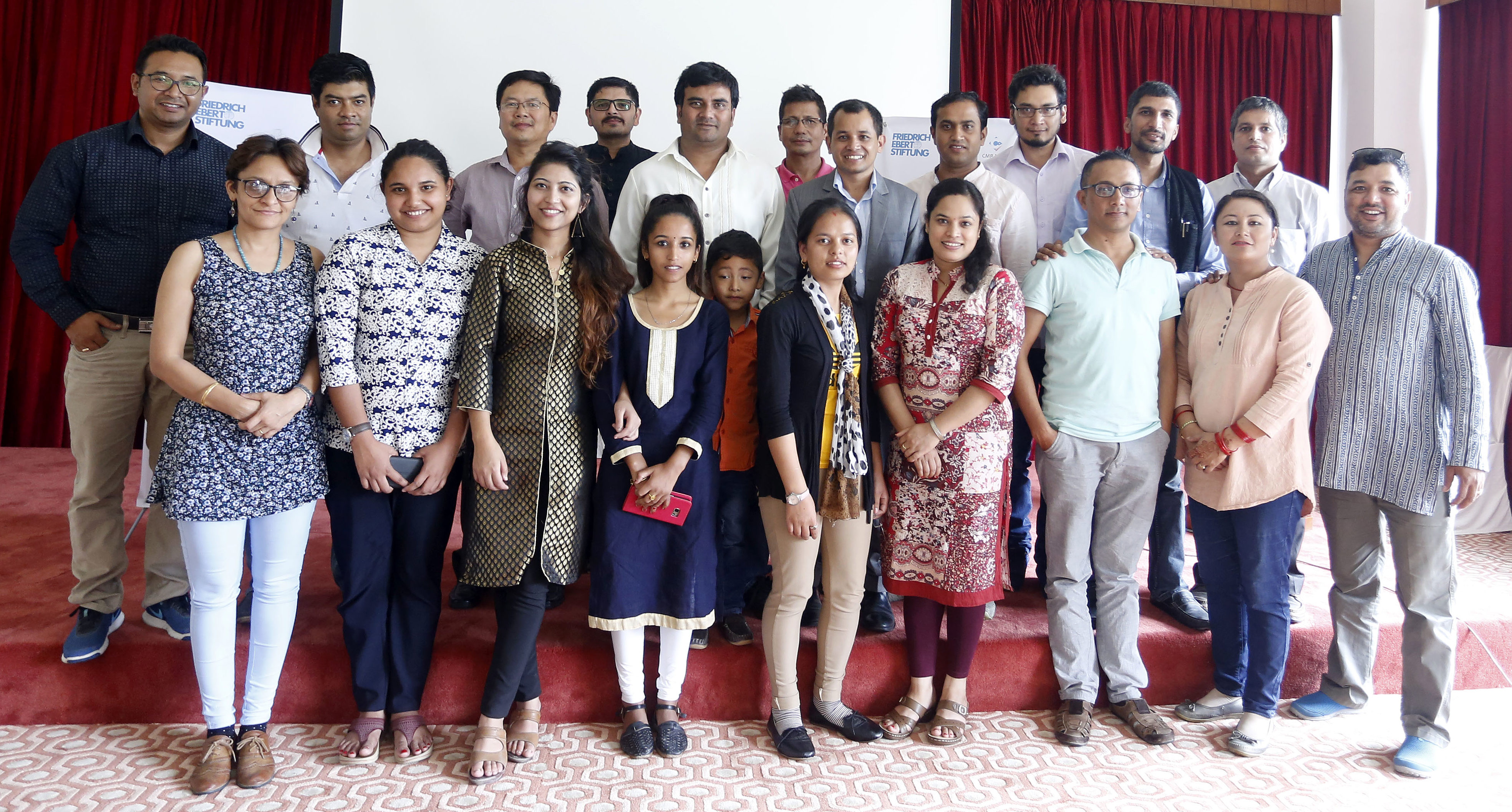
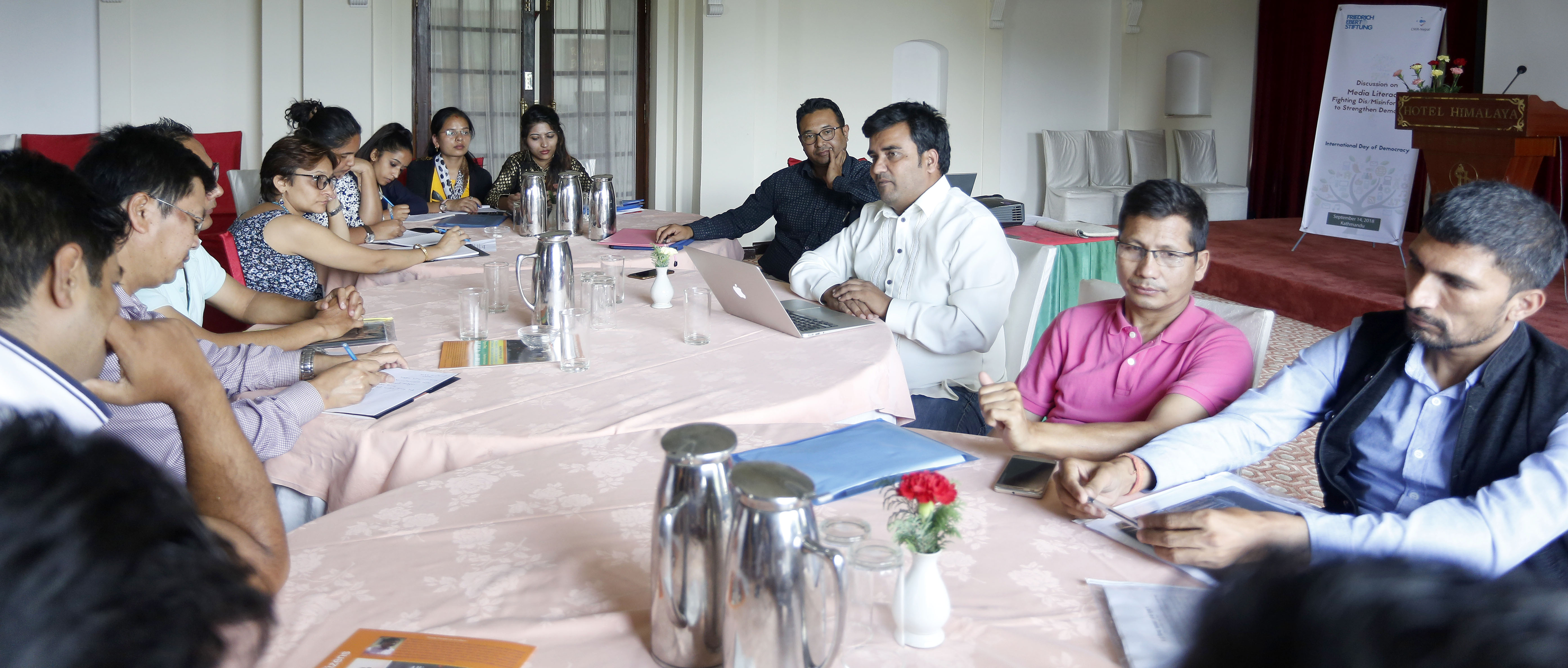
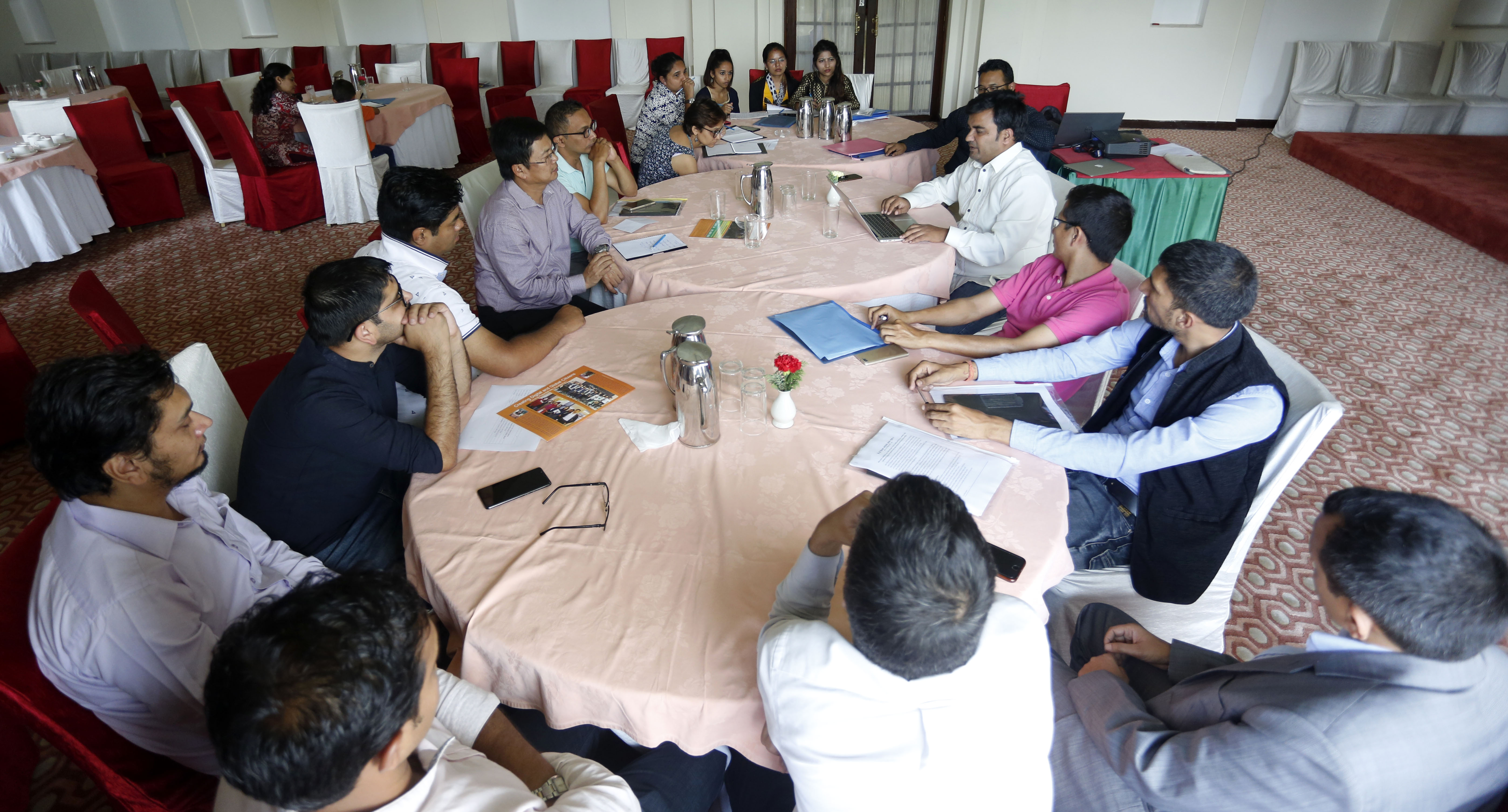
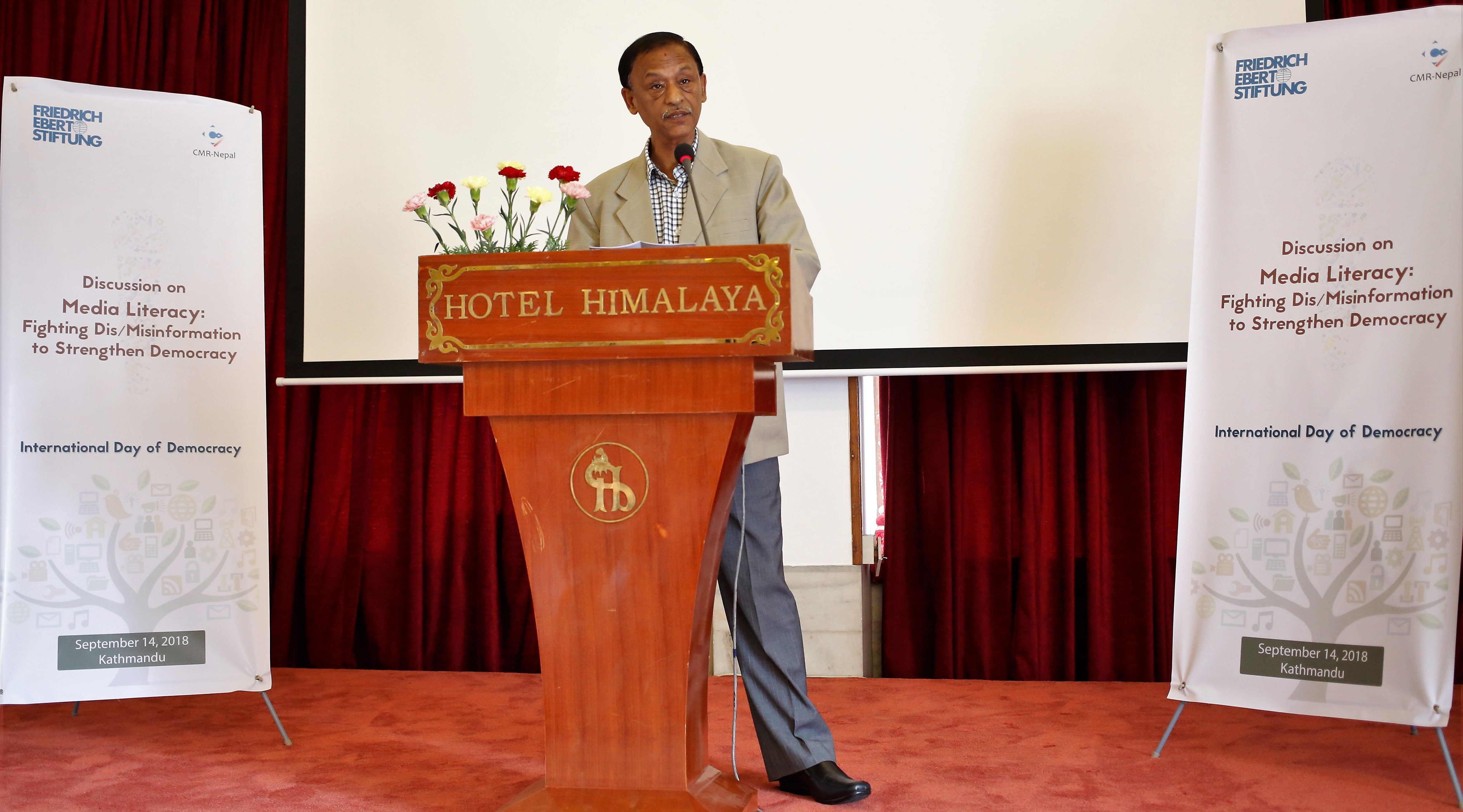
To mark the International Day of Democracy (September 15), the Center for Media Research – Nepal, with support from the FES Nepal, organized a discussion on “Media Literary: Fighting Mis/Disinformation to Strengthen Democracy” at Hotel Himalaya, Kupondol, on September 14.
Journalism scholar Prof. P Kharel, in his keynote paper, outlined the relationship between media and democracy, the criticism of media in its role to strengthen democracy, the need of media literacy to fight misinformation and the experience of Nepal.
Prof Kharel said: “Nepalese journalism has suffers from reporting bias of many types, not just those brought about by a developing media sector, but also because of deliberate efforts by institutions to mislead the audience… The public needs to see leaders in their actual worth and not in the images built, doctored, or toned up by specialists.”Continue reading “Media Literacy: Fighting Mis/Disinformation to Strengthen Democracy”→
The Center for Media Research – Nepal (CMR-Nepal) organized an interaction program jointly with the Associate Committee of Federation of Nepali Journalists (FNJ) on September 2, 2018 in Kathmandu.
The FNJ’s Associate Committee represents 11 different associate organizations that are member of FNJ, the umbrella organization of Nepali journalists, with more than 13,000 members. Journalists and legal expert shared their knowledge on the implementation of Criminal Code law and the bill on Right to Privacy. Continue reading “Privacy Bill, Criminal Codes, and their impact on journalism discussed”→
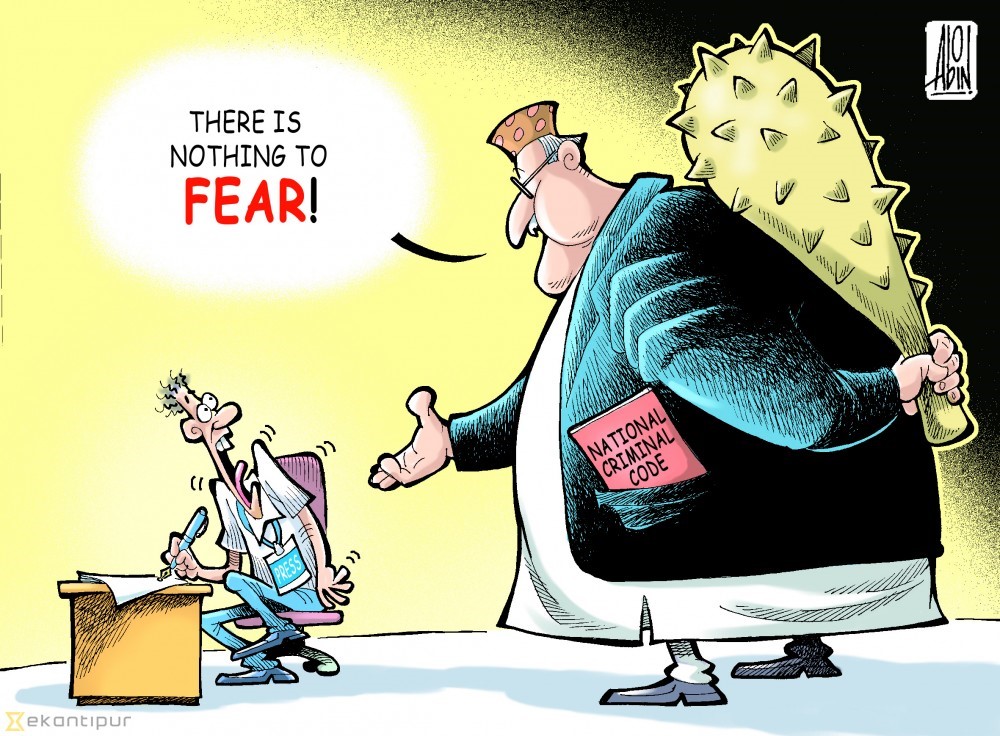
The Criminal Codes Act 2017 and Civil Codes Act 2017, became law on August 17, 2018, replacing 15 laws including 55-year-old civil and criminal laws. The new laws were passed by the Legislative Parliament in October 2017 with an aim to amend and consolidate all the existing criminal laws and civil laws into one document. Some provisions in the Criminal Codes Act 2017 have been criticized for restricting freedom of expression and press freedom.
The Federation of Nepali Journalists (FNJ) and the Nepal Press Union (NPU), as well as other media stakeholders, have expressed concerns and demanded amendments to some of the provisions. According to FNJ and NPU, Provisions relating to privacy and defamation, contradict ‘complete press freedom’ and other rights of the citizens guaranteed by the Constitution of Nepal. Continue reading “New criminal act raises press freedom concerns”→
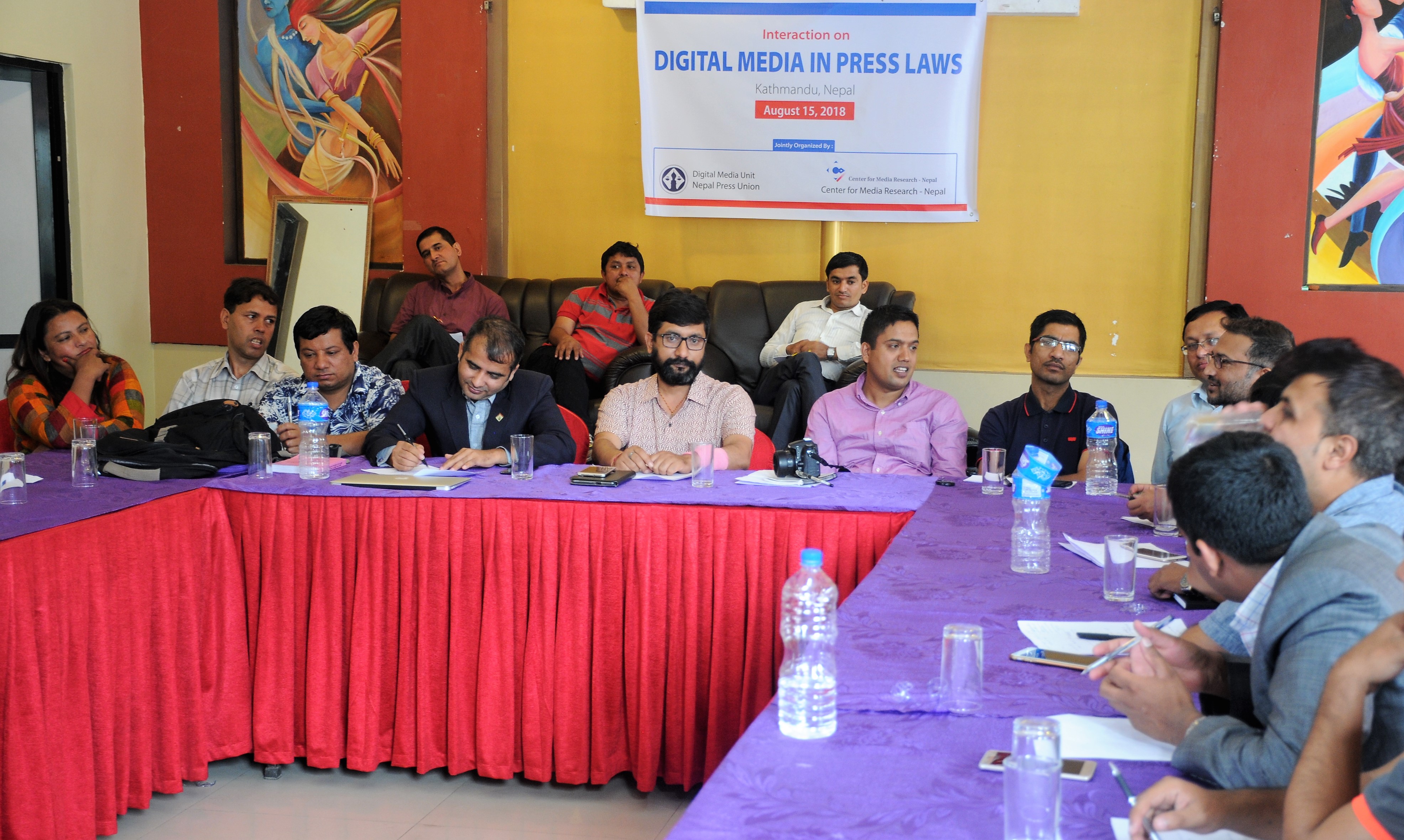
The Center for Media Research- Nepal (CMR-Nepal) jointly with the Digital Media Unit of Nepal Press Union (NPU) organized an interaction program on ‘Digital Media in Press Laws’ on August 15 in Kathmandu.
Journalist union leaders, journalists, and legal experts participated in the interaction and shared their experiences and problems with the digital media domain in Nepal.
Journalists expressed their concerns about the newly drafted laws that criminalized freedom of expression. They stressed on the need to decriminalize expression and try cases related to freedom of expression under civil law. Continue reading “Interaction on ‘Digital Media in Press Laws’”→
Newspapers are declining and disappearing. With the rise of the internet, the online news providers have mushroomed. The business of Google and Facebook – the sites that link the news but don’t produce or spend on the news – are rising at an astonishing rate. The television and radio – in its form today – can become irrelevant soon. In short, the media world is transforming.
There is a problem with this transformation: the journalism is facing unprecedented hard time. The news abounds on the internet, but most of them are not products of the conventional journalistic process as they lack the rigorous process of selecting, verifying, contextualizing and prioritizing as per the need of the audience. Some contents are journalistic products, but then the audiences seriously lack the skills to distinguish one content from other.
For the democracy and for the people, journalism should live and thrive. But at the crunch time when media are suffering the loss of revenues, and people are questioning why they should be paying when everything is seemingly free on the internet, how the journalism should be funded? Continue reading “Funding journalism in digital age”→
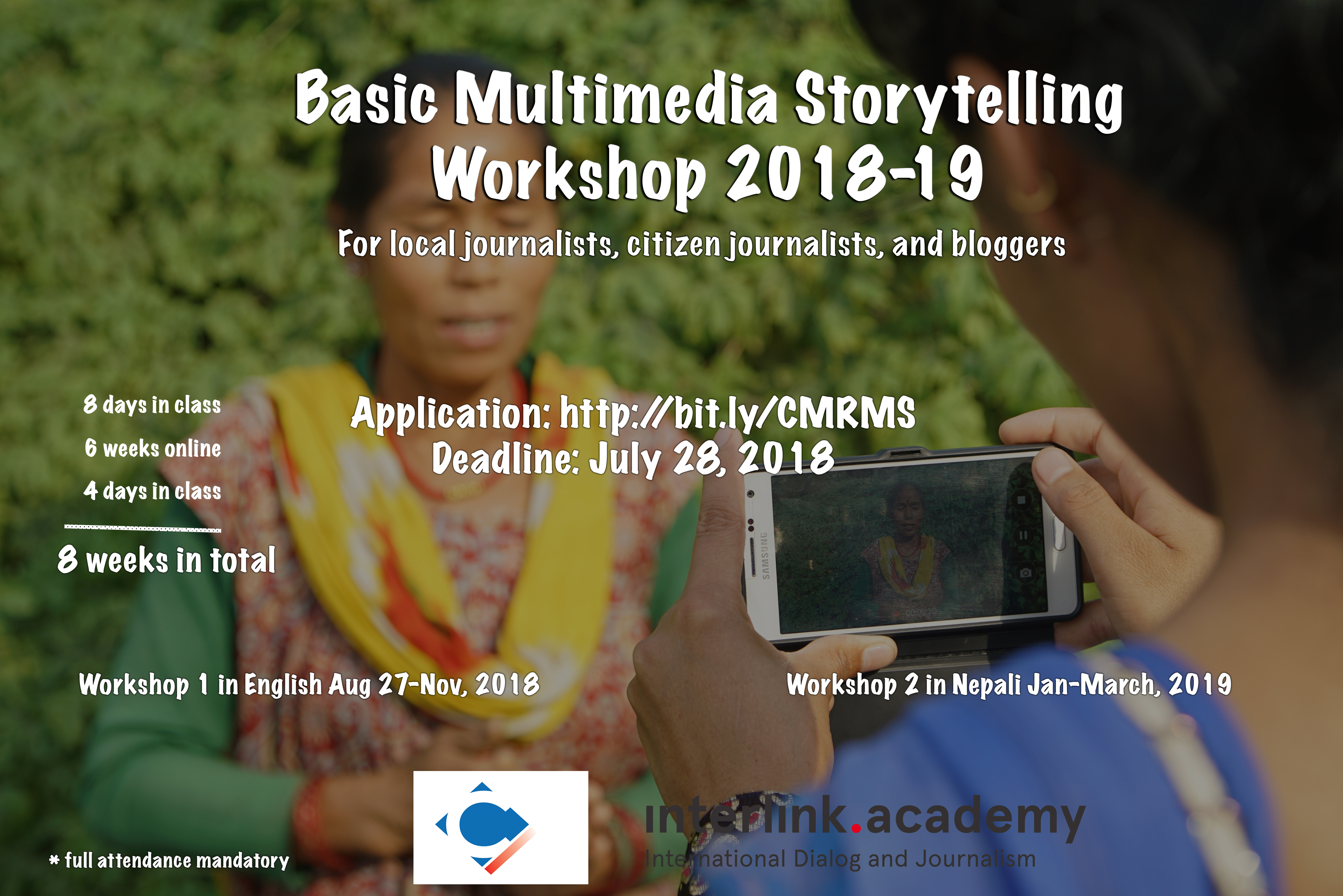
The Center for Media Research – Nepal (CMR-Nepal) in association with the Interlink Academy: International Dialog and Journalism, Germany is organising two workshop on digital journalism – the Basic Multimedia Storytelling for Nepali Journalists, Citizen Journalists and Bloggers – in 2018 and 2019.
The 8-week long training consists of 8 days of residential workshop followed by six-week of online learning and concluded with 4 days of the residential workshop. The first residential workshop will be held from August 28 to September 4, 2018 in Kathmandu and will primarily be conducted in English.
The second training will be held from January to March in 2019, and primarily in Nepali. Applications are now open for both trainings. The costs of participation are covered by the organizers. To apply: http://bit.ly/CMRMS
मिथ्या समाचार (अङ्ग्रेजीमा फेक न्युज) भनेको मूलतः झुटो वा गलत वा भ्रमपूर्ण वा अनर्थरूपमा घटना, अभिव्यक्ति, तथ्याङ्क र तर्क प्रयोग गरेर वा व्याख्या गरेर समाचारका रूपमा प्रस्तुत आमसञ्चारका माध्यम वा इन्टरनेटका सामग्री हुन् । यस्ता सामग्रीको मूल उद्देश्य जनमत प्रभावित गर्नु हुन्छ ।
सञ्चार गर्ने क्रममा मिथ्या खबरको प्रयोग पत्रकारिता सुरु हुनुभन्दा धेरै पहिलेदेखि नै भएको पाइन्छ । महाभारत युद्धमा द्रोणाचार्यलाई पराजित गर्न फैलाइएको अश्वत्थामा मृत्युको खबरदेखि पछिल्लो समयमा पीत पत्रकारिता वा प्रोपगन्डा भनिएका सबै सञ्चार सामग्रीलाई मिथ्या समाचारका रूपमा लिन सकिन्छ । आमसञ्चार साधनको विकासका कारण मिथ्या समाचार धेरै जनताबीच पुग्न सहज भएको हो । इन्टरनेटको विकास र विशेषगरी आममानिसले सहजरूपमा सामग्री प्रकाशन र वितरण गर्न सक्ने सोसल मिडियाको विस्तारका कारण मिथ्या समाचारको प्रयोग अझ बढी सहज र धेरैबीच पुग्न सक्ने भएको छ । आमनागरिक, समाज र राजनीतिमा विशेष प्रभाव देखिन थालेपछि यसको चर्चा एकाएक बढ्न पुगेको हो । अमेरिकामा सन् २०१६ को राष्ट्रपतीय निर्वाचनमा आमअपेक्षा विपरित अप्रत्याशितरूपमा डोनाल्ड ट्रम्प विजयी भएपछि त्यसको एक कारक मिथ्या समाचार र तिनको व्यापकतालाई लिइएको छ । जसमा फेसबुक, ट्विटर जस्ता सोसल मिडियाको विशेष भूमिका थियो । Continue reading “के हो मिथ्या समाचार (फेक न्यूज) ?”→